Italy is a fascinating country with a rich history, tasty food and stunning landscapes. But do you know everything about it? I thought it would be fun to compile a list of some fascinating facts about Italy that you might not know. There are plenty of fun facts to test your knowledge of Italy. Let’s see how you do.
1. The name “Italy” likely comes from ancient cattle
The origin of “Italy” is likely from the Oscan word “víteliú,” meaning “land of young cattle” or “land of calves.” Bulls were a symbol for some ancient tribes in Southern Italy. The name originally referred only to the south of Italy, but over time, it came to mean the entire country.
2. Italy is home to the smallest country in the world
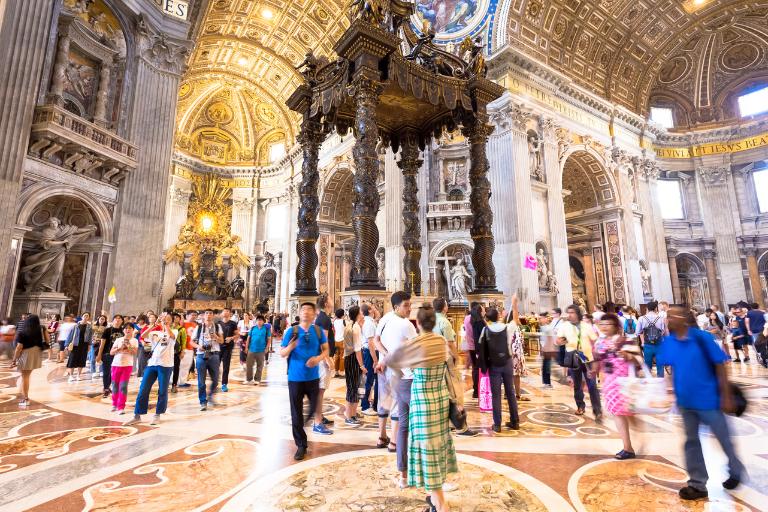
Vatican City, the world’s smallest country, sits within Rome and covers just 0.17 square miles. This sovereign state is home to approximately 800 people and serves as the spiritual centre for over one billion Catholics worldwide. The pope leads this tiny nation that prints its own stamps and mints its own coins.
3. The Italian flag has a simple design with deep meaning
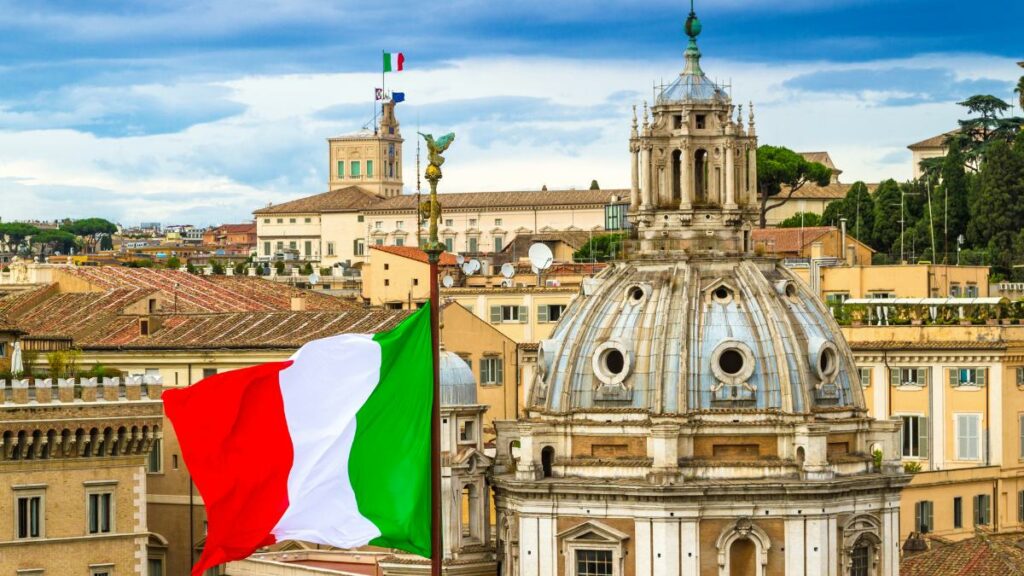
The Italian flag, known as “il Tricolore,” shows three vertical bands of green, white and red. Green represents Italy’s hills and countryside, white symbolizes the snow of the Alps, and red signifies the blood lost during the fight for independence. This design resembles the French flag’s vertical stripes but uses different colours. The flag became official in 1948 when Italy established its modern republic following World War II.
4. Rome once ruled a vast empire
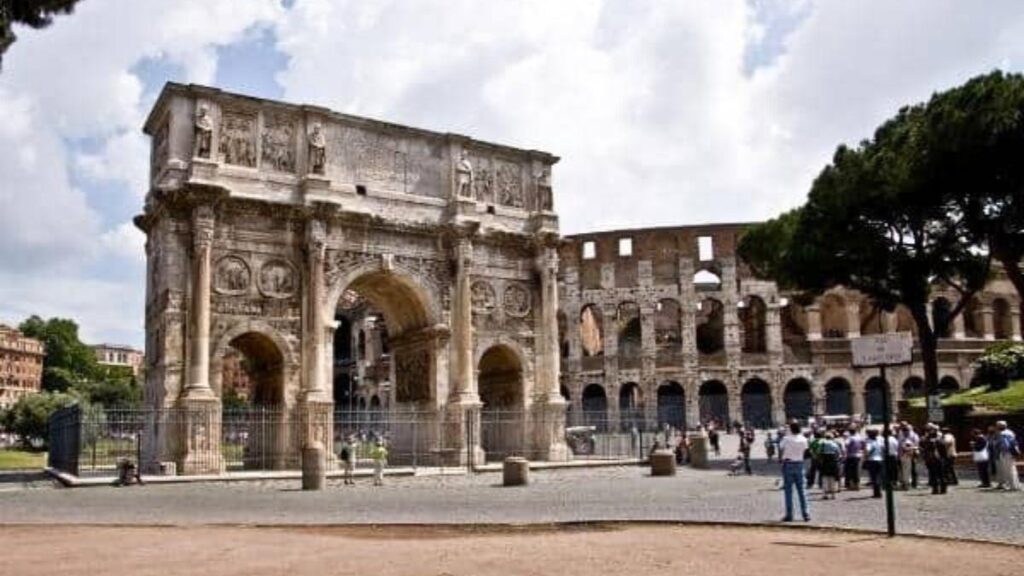
Rome grew from a small village founded by the legendary Romulus in 753 BCE. At its peak, the Roman Empire spanned over 5 million square kilometres and governed approximately 70 million people. The empire stretched from Britain to North Africa and from Spain to the Middle East.
5. Italy tops the UNESCO World Heritage Sites list
With 59 sites, Italy tops the list of countries with UNESCO World Heritage sites. These include some of Italy’s historic cities, such as Pompeii, Venice, Florence’s historic center, and the Dolomite Mountains. Each site shows Italy’s stunning mix of cultural and natural wonders. Millions flock to these sites each year, making them some of the best places to understand Italy’s contributions to world culture.
6. Mount Etna is Europe’s most active volcano
Standing 3,329 metres tall on Sicily in southern Italy, Mount Etna keeps scientists busy with its frequent eruptions. It has been active for about 500,000 years and erupts in some form almost every year. In 2013, UNESCO added Etna to its World Heritage list, recognizing both its scientific importance and natural beauty. Local legends say the volcano houses the workshop of Vulcan, the Roman god of fire.
7. The University of Bologna is the oldest in the world
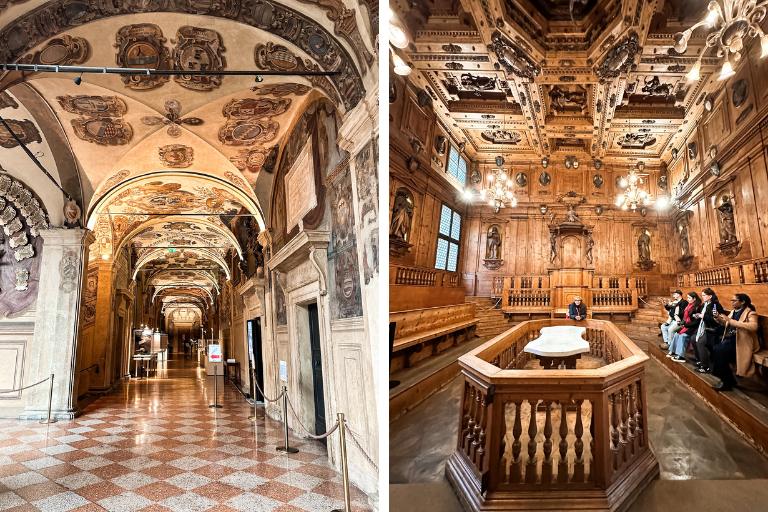
Founded in 1088, the University of Bologna claims the title of the oldest university still in operation. It began as a place to study law and has taught students for nearly 1,000 years. Unlike other medieval universities controlled by the church or the state, Bologna’s students governed the institution, hiring and firing professors. Today, it hosts about 85,000 students across many fields of study.
8. Leonardo Da Vinci was a true Renaissance Man
Born in 1452 near Florence in central Italy, Leonardo da Vinci was one of the most renowned Italian painters, scientists, engineers, and inventors in history. He created masterpieces like the Mona Lisa and The Last Supper while also drawing plans for flying machines and tanks centuries before their time. Leonardo embodied the Renaissance ideal of the complete individual mastering multiple disciplines.
9. The piano was invented in Italy
In 1709, Bartolomeo Cristofori built the first piano in Florence. He called it “gravicembalo col piano e forte,” meaning keyboard with soft and loud. It referred to the piano’s unique ability to play both soft and loud notes, depending on the force with which the keys were pressed. Before this invention, keyboard instruments like harpsichords couldn’t vary their volume. Cristofori solved this problem with an ingenious hammer mechanism.
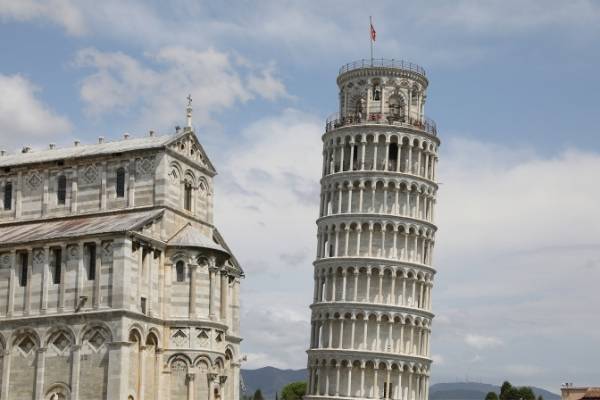
10. The Leaning Tower of Pisa started tilting during construction
This famous bell tower in Pisa began to lean shortly after construction started in 1173. Poor planning and soft soil caused the tilt that makes it one of Italy’s most recognizable landmarks. It took nearly 200 years to finish the tower due to wars and funding issues. Engineers have worked for centuries to prevent its collapse, with significant stabilization efforts completed in 2001.
11. Italy became a united country in 1861
Before 1861, Italy existed as many separate states with their own rules and leaders. These states included kingdoms, duchies and republics, each with distinct traditions. Victor Emmanuel II became the first king of united Italy after years of struggle for freedom and unity in a period known as the “Risorgimento.” Rome joined the newly formed Kingdom of Italy in 1870, gaining territory from the Papal States.
12. San Marino is the world’s oldest republic
Founded in 301 CE, the tiny San Marino sits within northern Italy but stands as its own independent sovereign state. It covers only 61 square kilometres and has a population of approximately 33,000 people. San Marino claims to be the world’s oldest republic still in existence today, with its own laws and government. During Italy’s unification, Giuseppe Garibaldi respected San Marino’s ancient freedom and did not incorporate it into Italy.
13. Mount Vesuvius destroyed Pompeii in 79 CE
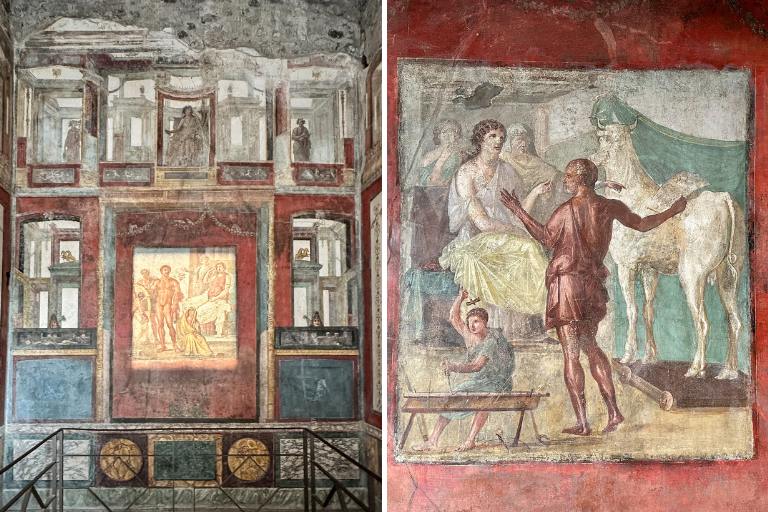
When Vesuvius erupted nearly 2,000 years ago, it buried many Roman cities, including Pompeii and Herculaneum, under a layer of ash and rock. The disaster killed thousands but also kept the cities in perfect condition under the ash. Today, these ruins offer the best-preserved glimpse of daily life in ancient Rome. The 79 CE eruption was so powerful that writers recorded seeing the ash cloud from Rome.
14. Italy has over 1,500 lakes
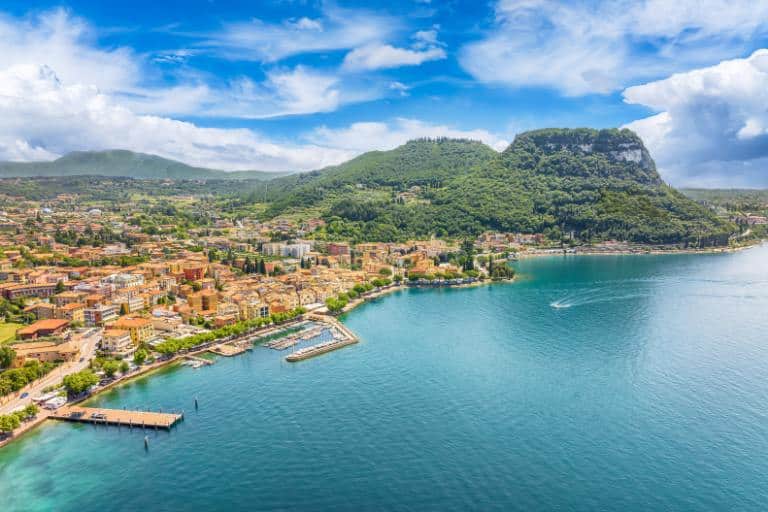
Lakes dot the Italian landscape, from the famous northern spots, such as Lake Como and Lake Garda, to smaller bodies of water scattered across the country. The largest lake, Lake Garda, spans 370 square kilometres and boasts clear, blue water. These lakes formed primarily through glacial activity during the last ice age, carving deep basins in the Alpine foothills. Many lakes in central Italy have volcanic origins, filling ancient craters.
15. The Italian language comes from Latin
Modern Italian grew from the local Latin spoken in Tuscany during the Middle Ages. It became the official language only after Italy united in 1861. Before that, most people spoke local dialects that sounded quite distinct from one another. Italian belongs to the Romance language family along with French, Spanish, Portuguese and Romanian. All these languages evolved from Vulgar Latin, a dialect of Latin spoken throughout the Roman Empire.
16. Italy has three active volcanoes
Mount Etna, Mount Vesuvius and Mount Stromboli make up Italy’s trio of active volcanoes that have shaped the country’s southern landscape. Stromboli has been erupting almost constantly for over 2,000 years, earning it the nickname “Lighthouse of the Mediterranean.” These volcanoes sit along fault lines where the African tectonic plate pushes against the Eurasian plate. Scientists closely monitor all three for signs of dangerous activity.
17. Thousands of coins are collected in Trevi Fountain
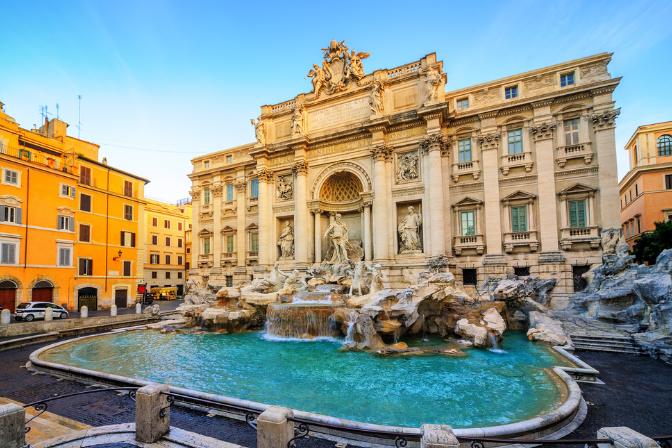
Tourists toss about €3,000 in coins into Rome’s Trevi Fountain every day, following a tradition that dates back centuries. According to the legend, if you throw a coin over your left shoulder into the fountain, you’ll definitely return to Rome someday. Some believe throwing a second coin leads to romance, while a third promises marriage. The city collects the money regularly and gives it to charity to help those in need.
18. Italy is the number one wine producer in the world
With over 350 official grape varieties and thousands of years of winemaking traditions, Italy leads the world as the largest wine producer. Each region makes its own special wines, from Chianti in Tuscany to Barolo in Piedmont. The country produces approximately 42-50 million hectoliters annually, accounting for roughly 25% of global production. Italian wine laws classify products by quality, with DOCG representing the highest standard.
19. You can find over 600 types of pasta in Italy
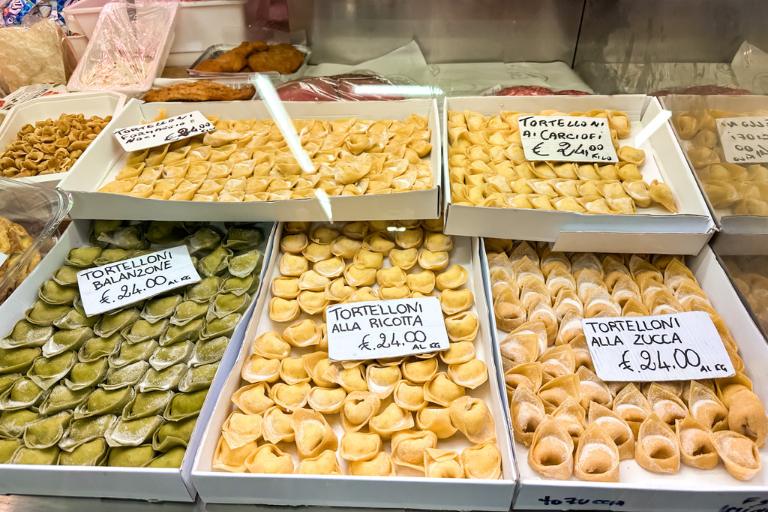
From long spaghetti to stuffed tortellini, pasta comes in hundreds of shapes and sizes across Italy. Northern areas favour egg pasta, while southern regions use durum wheat and water. Fresh pasta remains a popular choice in home cooking, with recipes that have been passed down through generations. Dried pasta became an industrial product in the 19th century. The average Italian eats about 23 kg of pasta annually – far more than people in any other country.
20. The Sistine Chapel ceiling took four years to paint
Michelangelo painted the famous ceiling between 1508 and 1512, working on his back on high scaffolding. The ceiling depicted nine scenes from the Book of Genesis, spanning 500 square metres. Pope Julius II commissioned the work to replace the simple blue ceiling with golden stars. The physical strain caused Michelangelo health problems that lasted for years after completion.
21. Italy has 20 distinct regions, each with its own culture
From Alpine Trentino-Alto Adige in the north to sunny Sicily in the south, each Italian region has its own foods, dialects and customs. Northern regions, such as Lombardy and Piedmont, have stronger connections to Central Europe, while southern Italy exhibits more Mediterranean and North African influences. Regional pride remains strong in Italy today, with locals often identifying with their region before the nation.
22. Hand gestures are a vital part of Italian communication
Italians use approximately 250 hand gestures to emphasize points or convey emotions during conversations. These movements help add meaning to words and sometimes replace them entirely in noisy places or at a distance. Many gestures have their roots in ancient Rome, illustrating the profound impact this tradition has had on Italian culture. Some gestures warn about bad luck or danger, while others express appreciation or frustration.
23. Olive oil has been made in Italy for over 4,000 years
The ancient Greeks brought olive trees to Italy around 2000 BCE. Since then, Italians have pressed olives for their golden oil, using it for lamps, cooking, medicine and religious rituals. Today, Italy ranks as the world’s second-largest producer of olive oil, with many prize-winning varieties. The best Italian olive oils come from specific regions known for their distinct flavours – peppery oils from Tuscany, fruity oils from Liguria and robust oils from Sicily.
24. The last king of Italy ruled for only 34 days
King Umberto II became Italy’s last monarch in May 1946 but ruled for just 34 days. After World War II, Italians voted to end the monarchy and establish a republic. The royal family had lost popularity due to their association with Benito Mussolini and the Fascist Party. Umberto II left Italy forever after the referendum, earning him the nickname “the May King.” This brief reign marked the end of the House of Savoy’s rule, which had lasted since Italian unification in 1861.
25. Italy switched sides in both World Wars
During World War I, Italy initially joined the Triple Alliance with Germany and Austria-Hungary. In 1915, it switched its support to Britain and France. During World War II, Italy initially allied with Nazi Germany under Benito Mussolini but switched sides again in 1943 following Mussolini’s fall. After the switch, German forces occupied northern Italy while the Allies controlled the south.
26. Italian explorers changed world history
One of the lesser-known facts about Italy is that during the Age of Discovery, Italian explorers significantly altered the world map. Christopher Columbus opened the Americas to European colonization and trade. The American continents were named after Amerigo Vespucci, who proved that the New World was separate from Asia. Marco Polo’s travels to China inspired generations of explorers. Giovanni da Verrazzano explored the North American coast on behalf of France.
27. Italy was one of the founding members of the European Union
Italy played a key role in establishing the European Economic Community in 1957, which later evolved into the European Union. It also played a significant role in European integration after World War II. Italy adopted the euro in 1999 and remains committed to European cooperation.
Final thoughts on facts about Italy
How many of these facts about Italy did you know? Do they change the way you think of Italy? Let us know your favourites. There are probably many other things you don’t know about this amazing country, but that’s a good reason to keep coming back.