
Planning a Trip to Italy
Italy isn’t a place you can see in a loop. It’s shaped like a long boot, so you travel up and down it rather than around it. That one fact trips up more first-time visitors than anything else, and it’s the reason I wrote this guide.
I live in Italy, and I see travellers make the same mistake over and over: they try to pack in too many cities and end up exhausted instead of happy.
This guide walks you through planning a trip to Italy in the right order, step by step, from picking a trip style to packing your bag. Follow it, and you’ll spend less time guessing and more time actually enjoying your trip.
Planning a trip to Italy a glance
Short on time? Here’s the quick version before you dive into the full guide.
| Question | Quick answer |
|---|---|
| Best trip length | 10 to 14 days for a first trip |
| First-time route | Rome, Florence, Venice (or Rome and one region in depth) |
| Best time to visit | January-April, May, September -December |
| Easiest way to get around | Train between cities, car for rural areas |
| When to book | Flights and major attractions 2 to 4 months ahead |
| Biggest planning mistake | Trying to see too much in too little time |

Step 1: Choose your Italy trip style
Before you pick cities, pick a trip style. Italy offers more than one kind of trip, and knowing what you want helps every other decision fall into place.
- Classic first trip: Rome, Florence, Venice and the art and history that come with them
- Ancient history: Rome, Pompeii, Sicily and Italy’s Greek and Roman ruins
- Food and wine: Bologna, Emilia-Romagna, Piedmont and Tuscany
- Beaches and islands: the Amalfi Coast, Sicily, Sardinia and Puglia
- Road trip: Tuscany’s back roads, the Dolomites or a drive through Calabria, Aruzzo or Campania
- Art and museums: Florence, Rome and Milan
- Outdoor Italy: the Dolomites, Lake Como and Lake Garda
- Hidden gems: Abruzzo, Molise, Basilicata and Le Marche
You don’t have to pick just one. Most trips blend two or three. For a longer list of sights and experiences by style, see my guide to Things to do in Italy.
Step 2: Decide where to go in Italy
Once you know your trip style, narrow down where to go. Italy is usually split into north, central and south, and each part offers something different.
Northern Italy
Northern Italy is home to the fashion capital of Milan, the alluring canals of Venice and the charming Italian lakes and stunning mountains. and the lakes and mountains near the Swiss border. It’s worth visiting any time of year, though winter has its own quiet charm. If you like the outdoors, head to the Dolomites for hiking and skiing, or Lake Como and Lake Garda for a mix of outdoor activities and historic towns.

In Venice, don’t miss the Venetian carnival or the glass-blowing tradition of Murano. In Milan, see the Duomo and Leonardo da Vinci’s The Last Supper.
Central Italy
Central Italy is home to the most visited regions. Tuscany and Lazio attract the most visitors, with Florence, Rome and Cinque Terre topping everyone’s itinerary. For culinary adventures, head to Bologna, Parma or Modena in Emilia-Romanga, a region famous for food. Follow in the footsteps of the Etruscans and the Renaissance in Tuscany and Umbria.
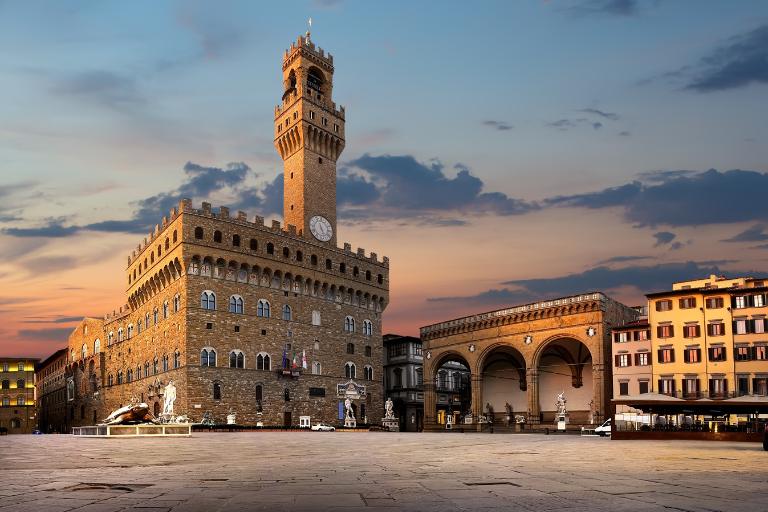
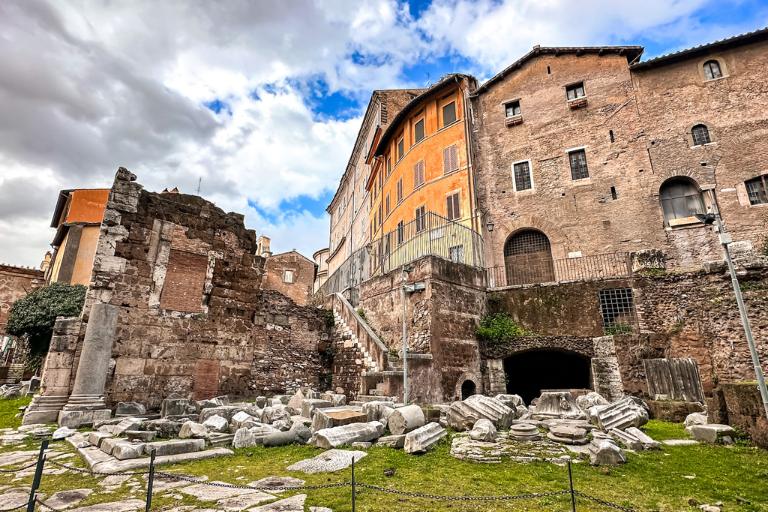
Rome, of course, is Italy’s main attraction, with layers of history visible all over the city. From ancient Roman sites to Baroque churches and Piazzas, it’s a must-see destination for culture buffs. Head to Marche, Abruzzo or Molise for some seaside breaks and outdoor adventures.
Southern Italy
Southern Italy is the home of the Amalfi Coast, pizza and stunning beaches. In addition to the bustling streets of Naples, Greek and Roman ruins and volcanos, you’ll find a slower pace and warmer weather. Don’t skip Italy’s islands of Sicily and Sardinia for a taste of a different side of Italy.
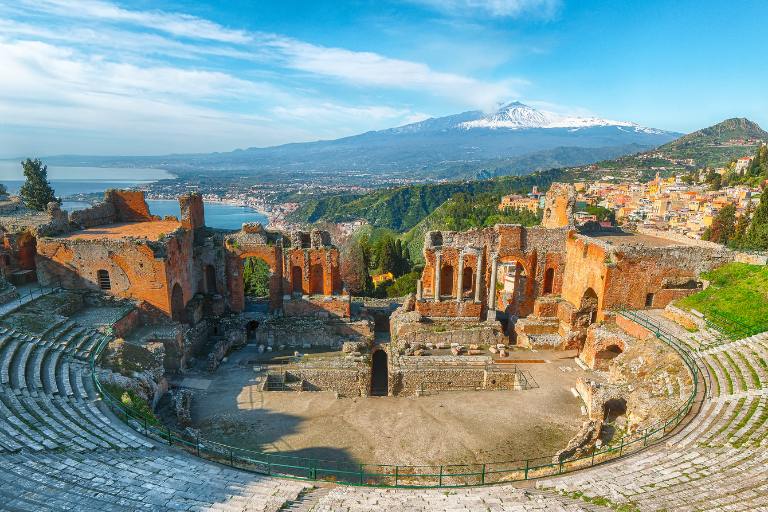
Don’t overlook Matera in Basilicata, the beaches of Puglia or the drive through Calabria. Outside a few well-known spots, the south sees far fewer North American visitors, which makes it a good place to find something new.
Pick a region by trip style
| First-time visit | Lazio (Rome), Tuscany, Veneto (Venice) |
| Food and wine | Emilia-Romagna, Piedmont, Tuscany |
| Beaches | Amalfi Coast, Puglia, Sicily, Sardinia |
| History | Lazio, Campania, Sicily |
| Road trip | Tuscany, Le Marche, Calabria |
| Off-season travel | Lazio, Campania, Sicily |
| Mountains | Trentino-Alto Adige (Dolomites), Lombardy |
Step 3: Decide how many days to spend in Italy
Forgetting to account for travel time in your schedule is the biggest mistake most first-time visitors to Italy make. Travel days between cities eat up more time than people expect, so the number of stops matters more than the number of days.
- 7 days: One region in depth, or two close cities, such as Rome and Naples or Florence and the Tuscan countryside
- 10 days: Rome, Florence and Venice, with two or three nights in each
- 14 days: Add one more region, such as the Amalfi Coast or Bologna, or slow down and spend more time in each place
- 3 weeks: Cover north, central and south, or settle into one region and explore it fully
A packed itinerary lets you check more boxes, but it usually makes the trip less enjoyable. Fewer stops with more time in each one almost always beats a long list of quick visits. For help building out a full day-by-day route, use my Italy itinerary planner.
Step 4: Choose the best time to visit Italy
Summer is the most popular time to visit, but also the most crowded and the most expensive. My favourite months to visit Italy are January to March, and April and November. You’ll get comfortable weather for walking around and smaller crowds at major sights. For a full month-by-month breakdown, see my guide on when to visit Italy.
| Spring | March to May | Mild weather, blooming flowers, rising prices as the season goes on |
| Summer | June to August | Hot, crowded and the most expensive time to visit; some smaller businesses may close in August |
| Fall | September to November | Comfortable weather, harvest festivals, smaller crowds |
| Winter | December to February | Skiing in the north, mild days in the south, fewer crowds everywhere |
Step 5: Set your Italy travel budget
Italy will either be affordable or expensive, depending on where you go and how you travel. Daily costs vary a lot by region, season, accommodation type and how many paid attractions you book.
As a rough guide, budget travellers can get by on a lower daily amount for meals and activities, mid-range travellers should expect to spend more, and luxury travellers can spend well beyond that depending on their choices.
To maximize your budget, book flights and accommodation early, and use comparison sites to find deals. Often you can find agriturismos (farm stays) at a lower cost, where you’ll get a more local experience that often includes meals.
For a full cost breakdown, use my Italy trip cost calculator or read my Italy travel budget guide.
Eating lunch at a local market, or grabbing something ready-made from a supermarket instead of a sit-down restaurant is another easy way to save, and many museums offer free entry on the first Sunday of each month. A city card or pass can also save you money on attractions, transit and meals.
Step 6: Book your flights and where to stay in Italy
Booking early saves money on both flights and accommodation. Flights are going to be more expensive during high season, but keep your eye out for deals and sales. Whenever possible, fly into an airport that matches your route:
- Rome or Naples if you’re focused on central or southern Italy
- Milan or Venice if you’re focused on the north
- Rome, Florence or Bologna for a central Italy trip
Many European budget airlines can help you save on flights within Europe once you’ve landed. Keep in mind that short-haul flights in Europe might have different luggage restrictions and allowances than intercontinental flights, so factor that in when packing.
When it comes to accommodation, hotels are a good option, as they are usually centrally located and convenient for sightseeing. Plus, they are more likely to have a 24-hour concierge and can help you with arrangements. Airbnb works well for longer stays or group trips but can be more challenging to navigate (in some areas) for first-time visitors in Italy.
An agriturismo is a great choice in the countryside, while hostels are mostly found in the bigger cities. For more on choosing where to base yourself, see my guide to where to stay in Italy.
Step 7: Plan how to get around Italy
Once you arrive in Italy, you have to figure out how you’re going to get around. Travel within Italy is relatively easy, as there is an extensive transportation network. Trenitalia and Italo both offer high-speed and regional services at competitive prices. You can take high-speed trains between major cities or buses to smaller cities without train connections.
| Train | Travel between major cities; Trenitalia and Italo run frequent high-speed and regional service |
| Car | Rural areas, small towns and regions with limited train service |
| Ferry | Sicily, Sardinia and other coastal or island routes |
Within cities, you’ll find a mix of buses, trams, and, in larger cities, metro systems. Purchase tickets at tabacchi shops or newsstands before boarding, and remember to validate your ticket in the machine on the bus or platform to avoid fines. Many cities also offer bike-sharing programs, providing a fun and eco-friendly way to explore.
Driving is our favourite way of seeing Italy. With a car, you can explore rural areas or destinations with limited public transport. However, be prepared for narrow streets in historic towns and a more aggressive driving style than you might be used to. If you’re planning to drive, ensure you have an International Driving Permit if your license is from outside the EU.
Step 8: Pack and prepare for your trip
Don’t overpack. Many Italian towns have cobblestone streets and stairs, and dragging a heavy suitcase up them in the heat is no one’s idea of a good time.
Bring comfortable walking shoes, since you’ll be on your feet a lot. If you plan to visit churches, including the Vatican, pack something that covers your shoulders and knees, plus a scarf to cover up if needed. Bring an adapter, since Italy runs on 220V power.
For summer, pack light and breathable clothing, a hat and sunscreen. For winter, bring warm layers, a waterproof jacket, a scarf and gloves, especially if you’re heading north. An umbrella or light rain jacket is worth packing any time of year.
Step 9: Book tickets, tours and experiences in advance
We always recommend that you book your tickets ahead of time. This doesn’t just apply to flights. Popular tourist attractions book up, and you need to get your tickets ahead of time to avoid disappointment. Italy is a popular destination with many historic sites, and some places have a limit on how many visitors can enter each day.
Recommended attractions to book ahead

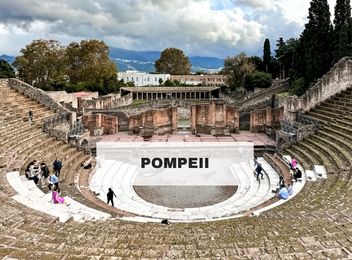
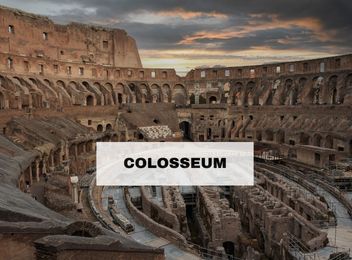
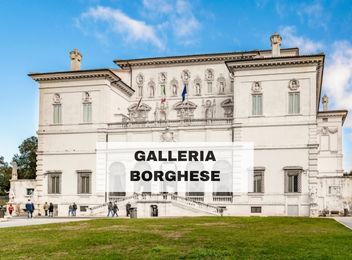

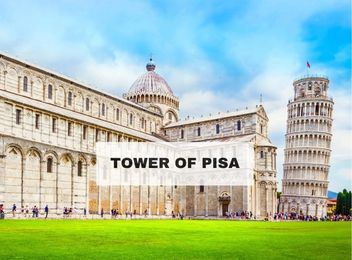
One of the best ways to ensure you see the sights is to book an organized tour. Tour groups often get to bypass the line, and some tours even offer early or evening access away from the crowds. Another bonus is that you’ll have a guide who can explain what you see and its importance.
Final checklist for planning your trip to Italy
- Before you set for Italy, make sure that your passport is valid for at least six months beyond your return date.
- It’s a good idea to get travel insurance in case things go wrong.
- We often email copies of important documents to ourselves as a backup, but you can always print them out and store them seperately from the orignals.
- Don’t forget any necessary medications and prescriptions.
- Double-check all your reservations for accommodations and pre-booked attractions.
Listen to our podcast for more tips