Italy Travel Guide
Italy is a dream destination for many, but with so many things to see and do, it can become overwhelming. I know what that’s like because I also tried to cram as much as I could into each trip. Now that I live in Chieti, Abruzzo, I’ve got to know Italy inside and out.
As I get a lot of questions about planning a trip to Italy, I’ve created this Italy travel guide to help you plan a trip you won’t forget. It covers what Italy offers, where to go, when to visit and what you need to know before you arrive, with links to the deeper guides in my planning hub for every step of the process.
Start here: plan your trip to Italy
Whether you’ve never been to Italy and are unsure where to start or need a refresher, you’re in the right place. Use these guides to build your trip step by step. Each one covers a specific part of the planning process.
| Planning a trip to Italy | A step-by-step guide to building your Italy trip from scratch. |
| Italy trip cost calculator | Estimate what your trip will cost before you book anything. |
| Plan your Italy budget | Understand where your money goes and how to stretch it further. |
| DIY Italy itinerary planner | Build a route that fits your time, interests and travel style. |
| When to visit Italy | Season-by-season advice on the best time to travel to Italy. |
| Things to do in Italy | The best experiences across art, food, history and the outdoors. |
| Where to stay in Italy | How to choose the right base for your trip by region and style. |
| Italy travel tips | What first-time visitors need to know about safety, etiquette and common mistakes. |
Italy at a glance
Here is the basic overview to help you plan your trip. Think of this as a starting point for your visit.
| Best for | History, art, food, wine, beaches, islands, hill towns, road trips |
| Best first trip route | Rome, Florence and Venice for the classic introduction; add Naples, Bologna or Tuscany if you have more time |
| First trip length | 10–14 days is a good starting point, 7 days if you focus on one region |
| Best time to visit | April–June and September–October for most travellers, November-March are my faves |
| Main airports | Rome Fiumicino (FCO), Milan Malpensa (MXP), Venice Marco Polo (VCE), Naples (NAP), Catania (CTA) |
| Language | Italian but German and French are spoken in some northern regions |
| Currency | Euro (€) |
| Power adapter | Type F (220V, 50Hz); North American travellers need an adapter |
| Getting around | Trains for cities, car for rural areas, Puglia, Sicily and the Amalfi Coast |
| Visa | Visa-exempt travellers from Canada, the United States, Australia and New Zealand can usually visit Italy and other Schengen countries for up to 90 days in any 180-day period. ETIAS is expected to start operations in the last quarter of 2026. No action is required from travellers at this point, but check official entry rules before booking. |
Where to go in Italy
Italy is long and diverse. Where you go depends on how much time you have and what you want from the trip. Here’s how to think about it by travel style.
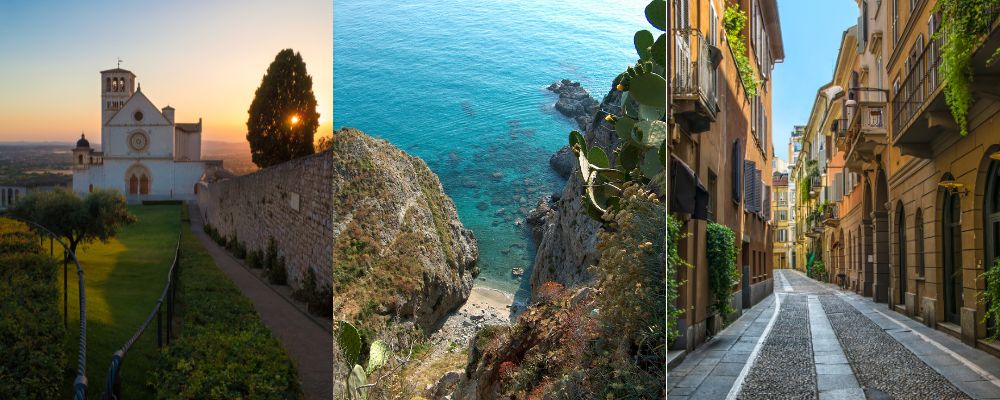
| Classic first trip | Rome, Florence, Venice. A well-worn route for good reason. All three reward first-time visitors. |
| Art and history | Rome, Florence, Naples, Pompeii, Palermo. Ancient ruins, Renaissance galleries and Baroque churches. |
| Food and wine | Bologna, Tuscany, Emilia-Romagna, Puglia. Italy’s best eating is often away from the most-photographed spots. |
| Beaches and islands | Sicily, Sardinia, Puglia, Amalfi Coast, Cinque Terre. Each has a very different feel. |
| Road trip | Tuscany, Umbria, Puglia, Sicily, Abruzzo. A car opens up the hill towns, coast roads and countryside that trains miss. |
| Mountains and outdoors | Dolomites, Lake Como, Lake Garda, Gran Sasso. Hiking, skiing and spectacular scenery. |
| Hidden gems | Abruzzo, Matera, Lecce, the Aeolian Islands. Less crowded and often more rewarding for repeat visitors. |
For a deeper look at where to base yourself and how to combine regions, see my guide to where to stay in Italy.
Best things to do in Italy
Italy is genuinely hard to get wrong if you go in with some idea of what you want. These are the experience types worth planning around.
- Ancient ruins. The Colosseum, Roman Forum and Pompeii are the obvious starting points, but the country is full of lesser-known sites that are just as impressive with far fewer visitors.
- Renaissance art. Florence’s Uffizi and Accademia are essential. In Rome, the Vatican Museums house one of the greatest collections in the world. Book in advance for both.
- Food and markets. Bologna is the unofficial food capital, but every region has its own distinct dishes. A food tour is one of the best ways to quickly understand a city.
- Wine regions. Tuscany’s Chianti, Piedmont’s Barolo country, and Sicily’s vineyards all offer wine tours that go well beyond a tasting-room visit.
- Hill towns. Orvieto, Assisi, Civita di Bagnoregio and Alberobello are some of these small towns where Italy slows down. Most are easy day trips.
- Coastline and islands. The Amalfi Coast gets the most attention, but Sardinia, Sicily, Puglia and the Aeolian Islands all deliver extraordinary coastline with fewer crowds.
- Religious sites. Even visitors with no religious interest often find Italy’s churches and basilicas among their most memorable stops. Many are free to enter.
For the full list, see my guide to things to do in Italy.
When to visit Italy
There is no wrong time to visit Italy, but there are a few factors to consider to help you decide when to plan your trip.
- Spring (April–June) is the sweet spot for most visitors. Temperatures are comfortable, flowers are out, and the main sites haven’t hit peak crowds yet.
- Summer (July–August) is busy, expensive and hot, especially in the south. Coastal destinations are at their best but also at their most crowded. If you travel in summer, book everything well in advance.
- Fall (September–October) rivals spring for weather and is harvest season in wine country. September in particular can feel like a second spring.
- Winter (November–March) brings smaller crowds and lower prices. Cities like Rome and Florence are very manageable in winter, and Christmas markets and light displays make December worth considering. The Dolomites are a different proposition entirely. The ski season runs from December through March.
For month-by-month detail, see my full guide on when to visit Italy.
How to get around Italy
Italy is easily accessible by plane, train or car. You can even take a ferry from nearby countries and islands. There are numerous airports throughout the country, with the two largest being Rome’s Fiumicino Airport and Milan’s Malpensa Airport.
| Option | Best for | Notes |
|---|---|---|
| Train | City-to-city travel (Rome–Florence–Venice corridor) | High-speed Frecciarossa trains are fast and comfortable. Book early for the best fares. |
| Car | Tuscany, Umbria, Puglia, Sicily, Abruzzo, rural areas | Essential for hill towns and the coast. Roads can be narrow. Read my tips for driving in Italy before you rent. |
| Ferry | Reaching Sicily, Sardinia and the Aeolian Islands | Major ports at Genoa, Livorno, Naples and Palermo. Can be a scenic and affordable option. |
In major cities like Rome, Florence or Milan, the best way to get around is by public transport. Italy has an extensive public transport network, including buses, trains and metros. If you’re planning on using public transport a lot during your trip, it might be worth getting a travel pass.
Italy travel tips for first-time visitors
- Book major attractions in advance. The Colosseum, Vatican Museums, Uffizi, Borghese Gallery and Pompeii all sell out days or weeks ahead, especially in summer. Same-day entry is rarely possible for the most popular sites.
- Mind the opening hours. Many museums and churches close on Mondays. Most shops and some restaurants still close for a few hours in the early afternoon, usually between 1 p.m. and 4 p.m. Plan your meals and sightseeing around this.
- Dress properly for churches. Covered shoulders and knees are required to enter churches. Carry a scarf or a light layer so you’re not turned away. Never enter during a private service.
- Learn basic greetings. A buongiorno (good morning) or buonasera (good evening) goes a long way. Shake hands with people you’re meeting for the first time.
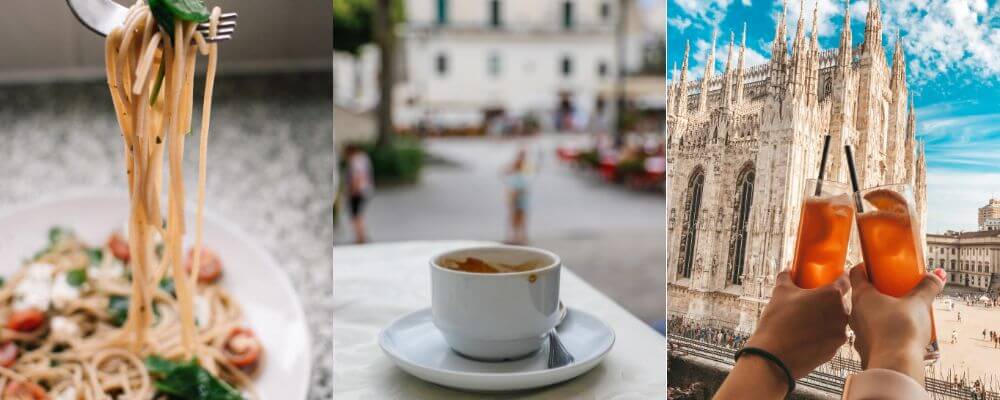
- Eat like a local. Sit down for meals. Italians rarely eat while walking. Lunch runs roughly noon to 2 p.m., and dinner doesn’t start until 7:30 or 8 p.m. Skip tourist restaurants on the main squares and walk a few streets back.
- Watch out for pickpockets. Italy is a safe country overall, but tourist areas in Rome, Florence, Venice and Naples have active pickpockets. Use a crossbody bag or money belt, keep your phone in your front pocket and stay alert on busy public transport.
- Pack a scarf and comfortable shoes. You’ll walk more than you think. Cobblestones are everywhere, and many archaeological sites offer little shade, so a hat and sunscreen are essential in summer.
For the full rundown on what to know before you arrive, see my Italy travel tips guide.
Italy travel guide FAQ
What is the best way to plan a first trip to Italy?
Start by deciding how much time you have and what matters most to you: history, food, coastline or a mix. Then choose two or three regions rather than trying to cover the whole country. My guide to planning a trip to Italy walks you through the full process step by step.
How many days do you need in Italy?
Ten to 14 days works well for a first trip covering two or three regions. If you only have a week, focus on one area, such as Rome and its surroundings or Tuscany and Florence, rather than rushing between cities.
Is it better to travel around Italy by train or car?
It depends on your route. Trains are fast and efficient between major cities. A rental car is better for Tuscany, Umbria, Puglia, rural Sicily and anywhere off the main rail lines. Many trips combine both.
Is Italy expensive to visit?
It can be, depending on your travel style. Accommodation and peak-season flights are the biggest costs. Food and transport are reasonable if you eat where locals eat and book trains in advance. See my Italy travel budget guide for a full breakdown.
What currency is used in Italy?
Italy uses the Euro (€). Credit and debit cards are accepted almost everywhere, though it’s worth carrying some cash for smaller towns, markets and some restaurants.
Latest from the blog
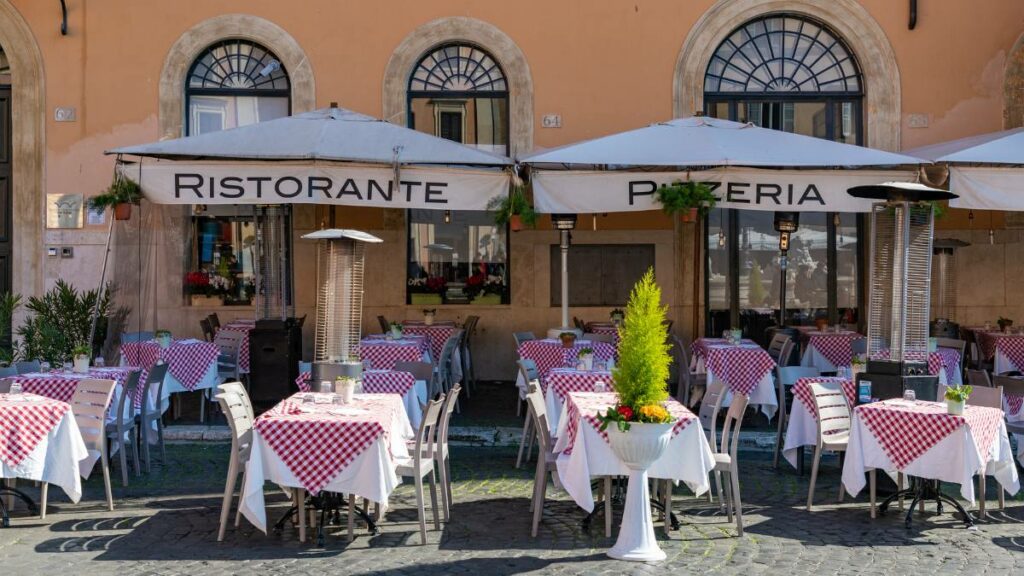
10 Popular Italian Dishes You Won’t Find in Italy
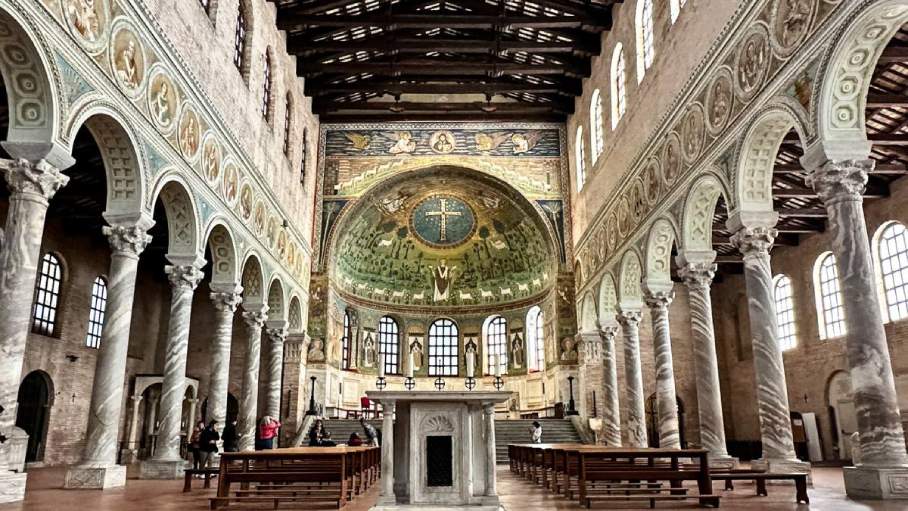
Best Things to See in Ravenna, Your Next Italian Love Affair
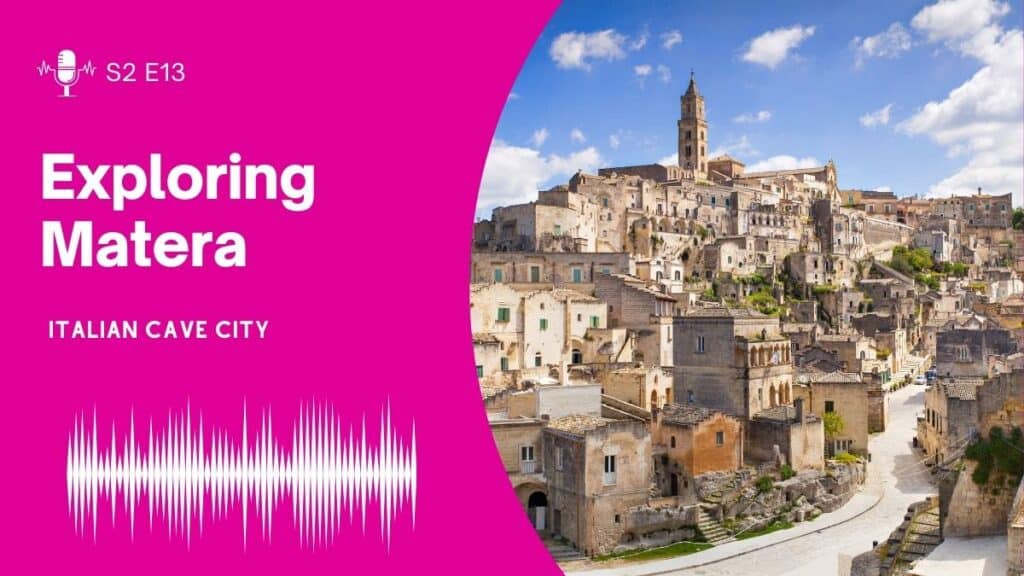
Matera, Italy: Things to do in the Ancient Cave City
Where to Stay in Rome for First Timers

Things to Do in Palermo: A Guide for First-Time Visitors