Going to the beach is one of my favourite Italian summer experiences. Before we moved to Italy, we always planned our trips (especially those during summer) to include a trip to the beach. Not only is the Italian beach a great escape from the heat, but it’s also a quintessential Italian summer experience.
In Italy, going to the beach is a culture, not just a casual outing. But what exactly does that entail? I’m going to tell you exactly that. If you’re dreaming of a dip in the Italian sea, or simply want a break from the heat, this post is for you.
How to visit beaches in Italy
Whether you plan on a day trip or want to spend some time on the beach, you have quite a few options to choose from. We’ve tried all of them at some point or another. Each one has its pros and cons, depending on what you’re looking for. Here is what you need to know to make your decision.
Renting a holiday home/apartment
One of my earliest memories of coming to Italy during the summer was a week on the beach along the Cilento coast in Campania. We rented a summer home with some of Alex’s family that was near the beach. Think of your typical Airbnb type of deal where you can cook your own meals, do laundry and obviously sleep.
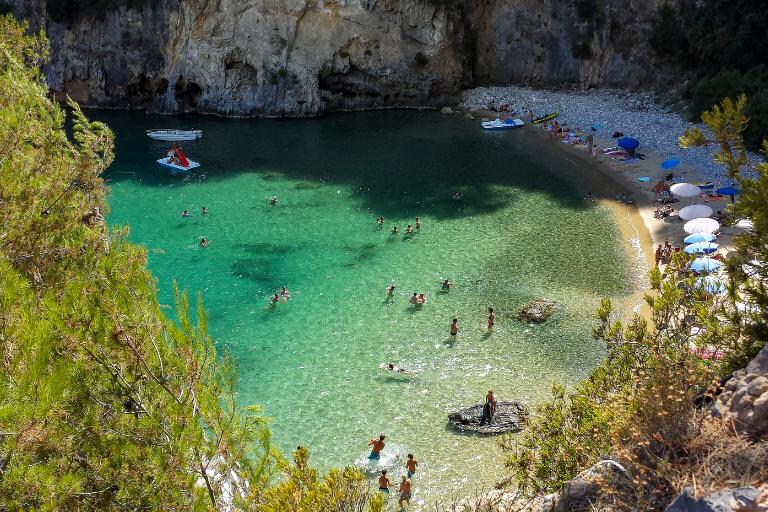
We did something similar in Puglia, where we rented a condo in Trani and walked down to the beach. In Calabria, we stayed at an Airbnb also near the beach. These rentals are in beach areas and are very popular during the summer. This option is best for a long weekend or longer, as you have total flexibility to have your own space and be close to the bach.
Typically, these don’t include a spot on the beach, so you have to either bring your own chairs/towels/umbrellas or rent them from one of the beach clubs on the beach.
Pros:
- Flexibility to cook your own meals
- More space for families or groups
- Feels more local and authentic
- Often cheaper than hotels for longer stays
Cons:
- Usually requires renting a car
- Limited services (no daily cleaning, no meals)
- Can book out far in advance in summer
- Extra costs (might include cleaning fees, utilities)
Staying at a seaside hotel
Your next option is to book a hotel near or on the beach that has its own beach access. We used to do that in Alba Adriatica in Abruzzo. The hotel wasn’t directly on the beach but had beach access with umbrellas and chairs for guests. This way, you don’t have to worry about finding a spot on the beach.
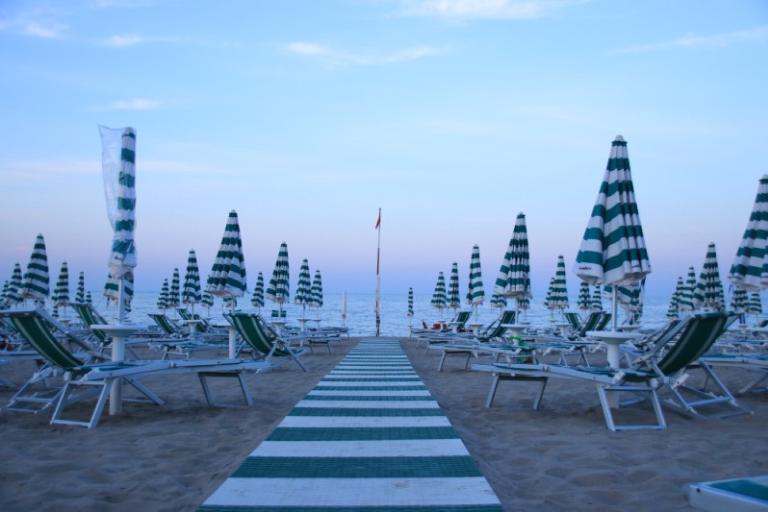
When you go with this option, they often include meals, which is great because you don’t have to worry about food. This might cost you more, but it might be worth it if you don’t want to bother making your own meals.
Pros:
- Meals included (half-board or full-board)
- Easy beach access, often with a private lido
- Added comforts: air conditioning, Wi-Fi and cleaning
- Great for travellers wanting convenience
Cons:
- Less flexibility with meals and schedules
- Can be pricey in high season
- Less “local” feel compared to a rental
- Rooms may be smaller than expected
Italian beach day trips
The beauty of Italy is that in many places (although not all), you can get to the beach fairly easily. This means that you do still experience an Italian beach on a day trip. You can either get there with public transport (like Poetto Beach from Cagliari or Ostia from Rome) or by car.
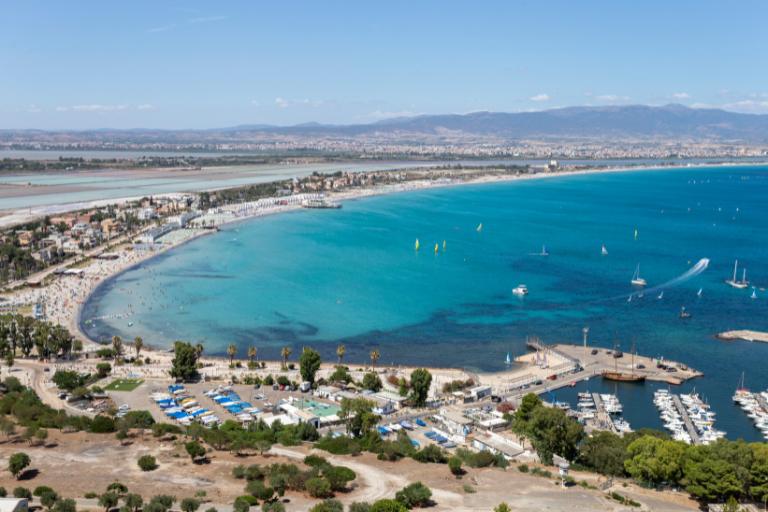
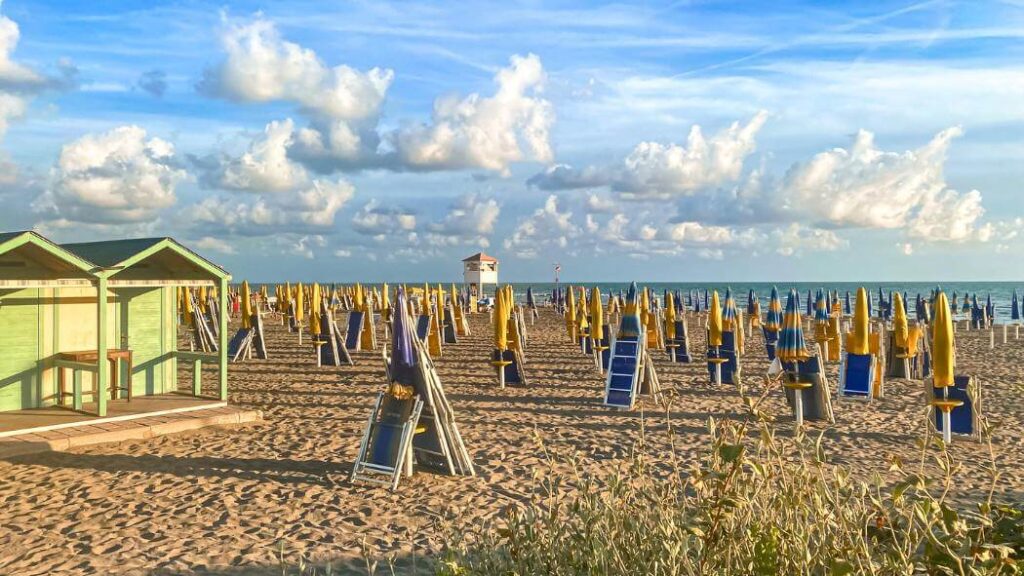
The beaches have two sections: public and private beaches. While most of the Italian coast is by the water, a significant portion of the beaches are managed by private beach clubs. They are known as stabilimenti balneari, bagni, or lido. While lido refers to any beach, the term is typically reserved for the paid beaches. So, what’s the difference? Let’s take a look.
Pros:
- Flexible: visit multiple beaches.
- No need to pay for accommodation.
- Perfect if you’re based in a city (Rome, Florence, Naples).
- Great option for shorter holidays.
Cons:
- Can be crowded and stressful during peak season.
- Parking is often limited and expensive.
- You miss out on evening beach life.
- Travel time cuts into beach relaxation
Italian lidos vs free beaches
The public part is pretty self-explanatory. Anyone can bring a towel, chairs and umbrellas and claim a spot on the beach. There might be limited facilities like washrooms, showers or lifeguards. These areas can get crowded, so if you arrive too late, you’ll be further away from the water.
After moving to Italy, we got our own beach chairs and an umbrella, which makes it easy to pop over to the beach. However, if you’re travelling, buying a chair and an umbrella and dragging them with you is not realistic.
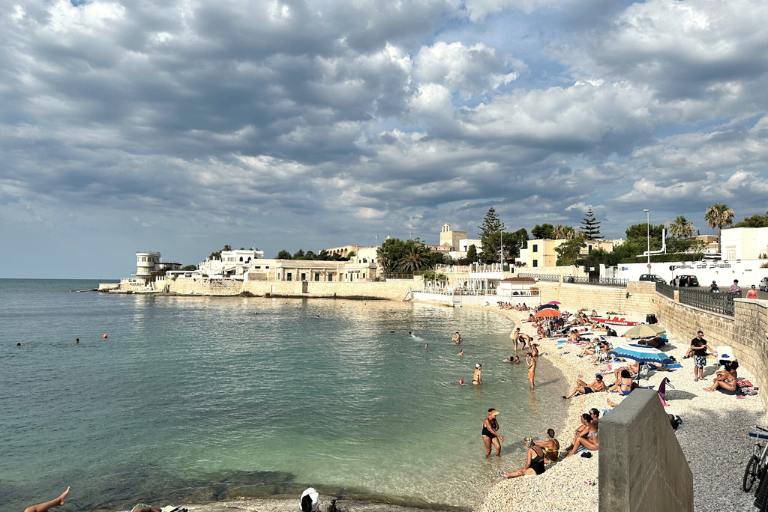
You can still go to the public beach as long as you have a towel to sit on and don’t mind being in the sun. But if you’re planning on spending a day on the beach, you can skip the public beach and go to the private option.
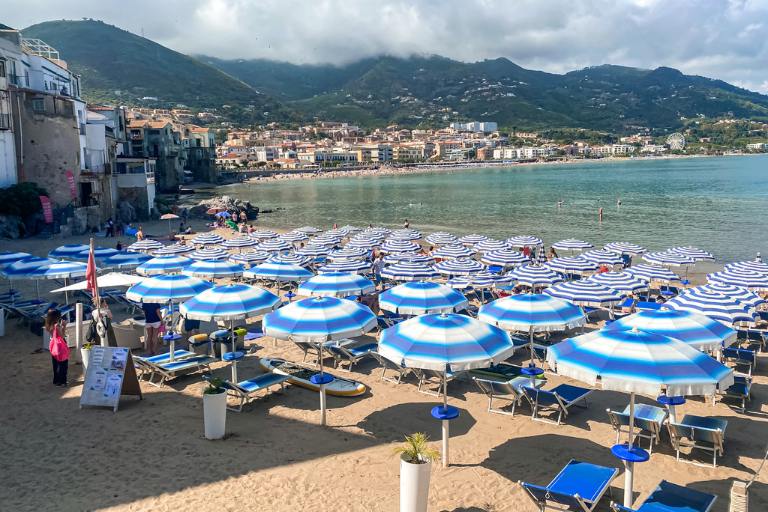
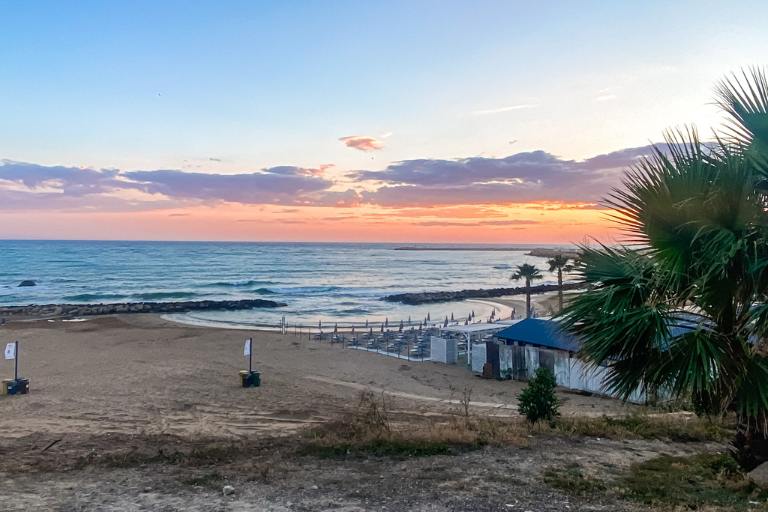
These beach clubs usually have amenities like umbrellas, sunbeds, as well as other services like a restaurant or bar with snacks. You can rent your own umbrella and chairs for the day or a few days. Upon arrival, you will be assigned a spot where you will stay for the duration of your stay.
Are private beaches worth it?
The beach clubs are a great option, but lately, there has been a lot of pushback from the locals about rising prices. I recently came across an article that discussed this issue, highlighting how many people believe these beach clubs are taking advantage of beachgoers. So while in the past you could find places that charged 15-20 Euros, the prices today have gone up. The lower end is about 30 Euros, while some can go up as high as 90 Euros.
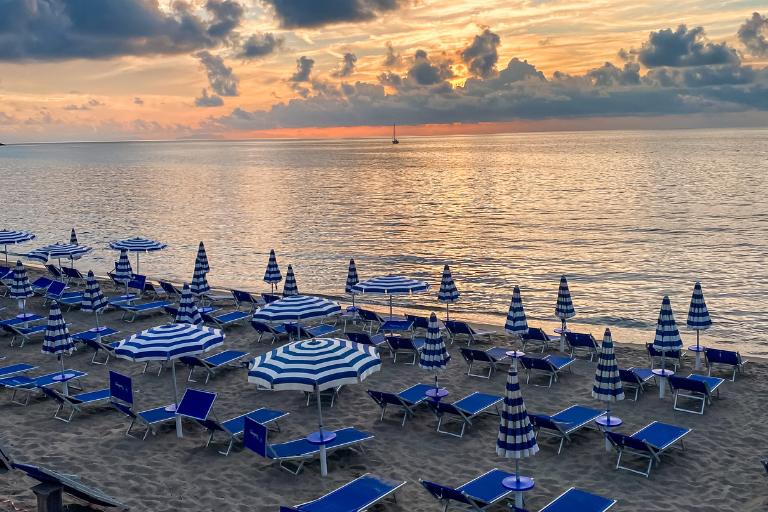
Can you negotiate the price? That depends on where you are and when you get there. In very busy areas, they are less likely to negotiate, especially during the high season. If you are in a less touristy area and arrive later in the day, you might get a break. But that’s not a guarantee.
I recommend going to places that display their prices to avoid getting ripped off. You can also check online. People are usually very vocal about prices in their reviews, which gives you an idea of the cost to help you decide if you want to pay.
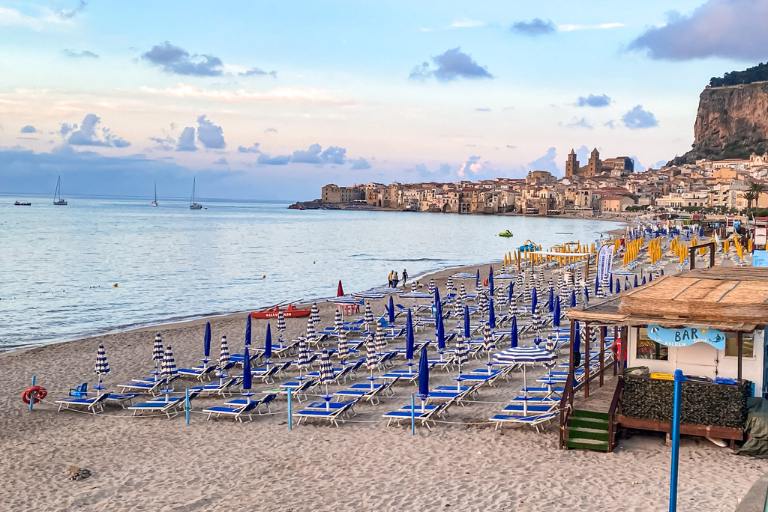
Now, the private and public beaches are usually next to each other. You can opt to use the free beach and then go to eat something at the bar on the paid beach. This can also work if you’re just there for the day.
Italian beach etiquette
Now, let’s talk about beach culture and etiquette. Italian beaches are for relaxation and enjoyment. This means that, as with any other place, be respectful. Don’t crowd people and don’t make a mess. Don’t blast loud music. Some beaches have their own music playing through speakers, but personal speakers blasting music are frowned upon.
Are all Italians exempt from littering? No, but in general, they are very good about cleaning up after themselves, and so should you. Take your garbage with you and dispose of it properly.
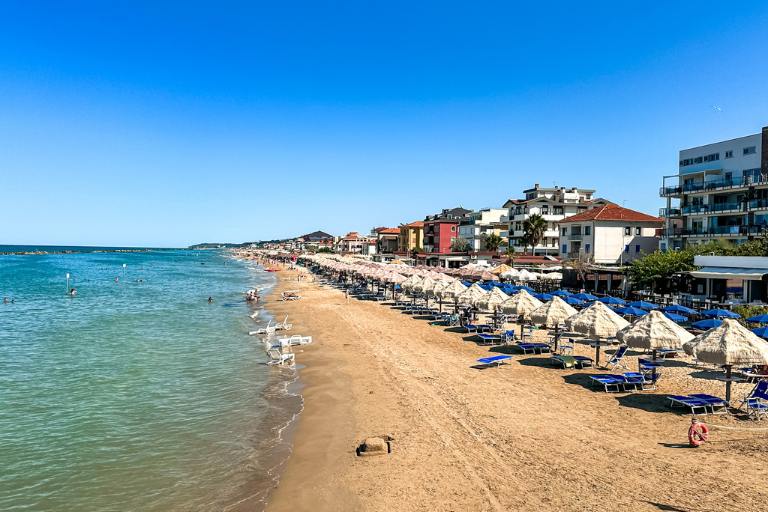
When it comes to dress code, it’s a beach, so beach attire is what you should wear. You might see some women sunbathing topless, but that’s more of a European thing, not just Italian. Now, this doesn’t mean that it’s a nude beach, so keep your bottoms on. There are dedicated nude beaches in Italy, so if that’s what you’re after, you can Google them.
One thing to keep in mind is that just because you’re on the beach, it doesn’t mean you should go to a restaurant or bar in your bathing suit. Bring a cover-up that you can use when grabbing food or walking around the beach town you’re in.
What to pack for the beach in Italy
When it comes to what you need for the beach, it’s not that different from what you would bring to any other beach. I suggest you have some cash on hand.
There are often beach vendors selling anything from clothes, bags and towels to food and drinks. My favourite is the Coco Bello, which is basically pieces of a coconut that you get to snack on. These guys often walk around yelling Coco Bello, so you won’t miss them.
- Swimsuit (Italians usually wear fitted styles, not baggy shorts)
- Beach towel or pareo (some lidos provide chairs but not towels)
- Flip-flops or water shoes (a must for hot sand and rocky shores)
- Sun hat and sunglasses (Italian sun is strong, especially midday)
- Sunscreen (high SPF, often pricey if bought at the beach)
- Reusable water bottle (staying hydrated is key)
- Snacks or light lunch (unless your lido has a café or bar)
- Beach bag (large enough for all your gear)
- Cash (some smaller lidos or kiosks don’t take cards)
- Book, magazine, or Kindle (for downtime under the umbrella)
- Change of clothes (easy to slip on after swimming)
- Phone/earbuds (but keep the volume low out of courtesy)
- Beach umbrella (only if going to a free beach without rentals)
- Make sure you check bus schedules if you take public transit, so you don’t miss the last bus home
Tips for timing your visit
- Weekends are busier than weekdays, so plan your visit during the week, especially if you plan on doing a day trip.
- The Italian holiday season (like Ferragosto in August) means the busiest and priciest time. If you plan on visiting during this time, book ahead.
- Early morning or late afternoon are your best times to get the most out of your beach visit, as your chances of getting a spot on the beach are better.
Italian beach recommendations:
- Abruzzo coastline: Alba Adriatica, Francavilla al mare, etc.
- Lazio: Santa Severa, Sperlonga, Ostia
- Campania: Cilento coast
- Puglia: Gargano coast
- Sicily: San Vito Lo Capo, Scoglitti, Scala dei Turchi, Cefalu
- Sardinia: Tuerredda, Spiaggia del Principe, Villasimus or Poetto