For many, Europe is the favourite destination for Christmas markets, and Italy definitely holds its own. Italy in December can be a magical time to visit, and it’s definitely a unique experience you won’t find any other time of the year. Whether you’re into the Christmas festivities or not, December could become one of your favourite months to visit.
- Fewer crowds and lower prices let you enjoy museums, galleries, and attractions with shorter lines and better deals.
- Rich Christmas markets, nativity traditions, and cozy winter foods create a festive, authentic Italian experience.
- Regionally varied weather: snowy Alps for skiing, mild southern coasts for walking, and pleasant central cities for culture.
How December looks in Italy depends a lot on where you go, as that might impact your experience. The key is knowing what to expect and planning around it. Let me show you why December might be the perfect time to visit Italy.
Weather in Italy in December
Before you come to Italy in December, you have to understand what it actually looks like. After living here for a few years now, I still can’t fully get used to the winter in Italy. It’s definitely not as cold as Canada, and you get a lot more sunshine.
Northern Italy can get cold and snowy. Central Italy remains mild but damp, though you will get snow in the mountains. Southern Italy and the islands offer the warmest temperatures.
Here’s what you can expect across different regions:
| Region | Average high | Average low | What to expect |
|---|---|---|---|
| Northern Italy (Milan, Venice) | 6-8°C | 0-2°C | Cold, foggy, occasional snow |
| Central Italy (Rome, Florence) | 12-14°C | 4-6°C | Cool, rainy days are common |
| Southern Italy (Naples, Sicily) | 14-16°C | 8-10°C | Mild, some rain |
One thing that catches people off guard: daylight hours shrink fast in December. The sun sets around 4:30–5 pm across most of Italy. This means you’ll want to start your outdoor sightseeing early. Save museums, restaurants and cozy wine bars for the evening.
Northern mountains vs southern coasts
The difference between northern and southern Italy in December feels like two different countries. Up north in the Alps and Dolomites, ski resorts open for the season. Towns like Cortina d’Ampezzo and the Aosta Valley get proper snow. Cold temperatures drop below freezing, and you’ll need serious winter gear.
Head south to Calabria, Puglia or Sicily, and you’ll find mild temperatures around 15°C. Not beach weather, but pleasant for walking around coastal towns without the summer crush. The Mediterranean keeps things warmer down here.
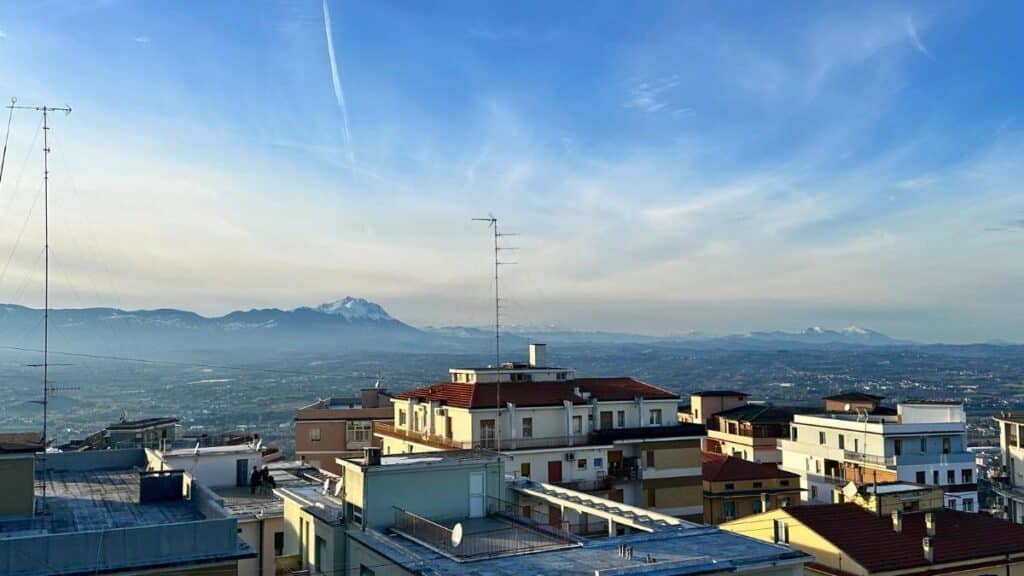
Central regions like Tuscany, Abruzzo and Umbria fall somewhere in between. Expect grey skies, occasional rain, and temperatures that hover around 10°C. You’ll find more blue skies and sunshine along the coast. It’s the perfect time for museum days and long lunches.
Italian cities in December have a different energy than they do in summer. You’ll find the locals head out to bars and restaurants after dark instead of hanging out outside (remember that early sunset). If you’re in smaller, less touristy cities, there will be fewer people outside, but it doesn’t mean that everything is shut down.
What you should pack and how to dress
Here’s what actually works for December in Italy.
- Essential layers: Start with a warm base layer if you’re heading north and plan to spend a lot of time outside. Add a warm sweater or fleece. Top it off with a waterproof winter coat. You’ll take layers on and off as you move between heated museums and cold streets.
- Footwear: Closed, waterproof shoes or boots with good grip. Italian streets get slippery when wet. Skip the high heels.
- Accessories: A warm scarf makes a huge difference. Bring a hat for windy days. Gloves help in northern regions. Don’t forget that umbrella.
- Smart additions: A day bag to stash layers when you warm up. Comfortable socks (you’ll walk a lot). A small crossbody bag that fits under your coat.
Crowds and prices
December is technically off-peak season in Italy, and your wallet will thank you. The beginning of the month is one of the best times to visit if you want to avoid the tourist rush and save money.
The shoulder season means fewer tourists at major attractions. You can visit the Uffizi Gallery without booking weeks ahead. St. Peter’s Basilica has shorter lines. Even Venice feels manageable. The difference is dramatic compared to summer crowds.
Flight prices drop after Thanksgiving and stay reasonable until mid-December. Then they spike for the Christmas holidays and New Year’s Eve. Book early if you’re travelling between December 20 and January 2.
Hotels also offer lower prices, especially in beach destinations that close for winter. Big cities like Rome and Florence see lower rates than in summer, but don’t expect super cheap rates. You can afford nicer places or simply save money.
Tours and experiences cost less, too. Many tour operators run winter promotions. Food tours, cooking classes and day trips all become more affordable.
Christmas markets and holiday fairs
I don’t know if the Christmas markets in Italy are gaining more momentum or if I’m just becoming more exposed to them. When we first moved to Italy, there were no such markets in our area of Avellino in Campania. That slowly changed, with each year bringing more markets.
Now that we live in Abruzzo, there are Christmas markets all over the region, and even more the further up you go. Italian Christmas markets start popping up around late November and run through early January. The markets in northern Italy are more like those you’ll find in Germany or Austria, with food, wooden chalets selling handmade crafts, local wines, and traditional dishes. Plus, there will likely be snow.
Most large cities like Milan, Florence, Bolzano, Trento and Bologna, as well as smaller ones across the country, host Christmas markets. Rome usually hosts several markets across the city, including the Christmas World at Villa Borghese, which attracts millions of visitors.
It’s the Christmas market of all markets, set across 40,000 square meters, with light installations, performances, food stalls, and an ice rink. The theme is Christmas celebrations from across the world. It runs from November 29, 2025, to January 11, 2026. You need to buy tickets to visit.
Local traditions and nativity scene art
The nativity scene (presepe) is also an integral part of Italian Christmas celebrations. Naples is famous for elaborate presepe displays along Via San Gregorio Armeno. Craftsmen create detailed figures year-round, but December is when they shine.
Many towns set up living nativity scenes on Christmas Eve. Actors in period costume recreate the Christmas story in historic town centres or caves. It’s a big deal in southern Italy and the central regions.
Religious processions happen throughout December. Some towns feature people walking through the streets singing hymns. The Feast of the Immaculate Conception on December 8 is a national holiday with special masses and celebrations.
Winter flavours and seasonal food
December brings comfort food to Italian tables. Soups get heartier. Risottos become richer. Braised meats appear on more menus.
Traditional Christmas foods vary by region. Panettone (sweet bread with dried fruit) comes from Milan. Pandoro (star-shaped cake) is from Verona. Rome makes torrone (nougat). Sicily bakes buccellato (fig-filled cookies).
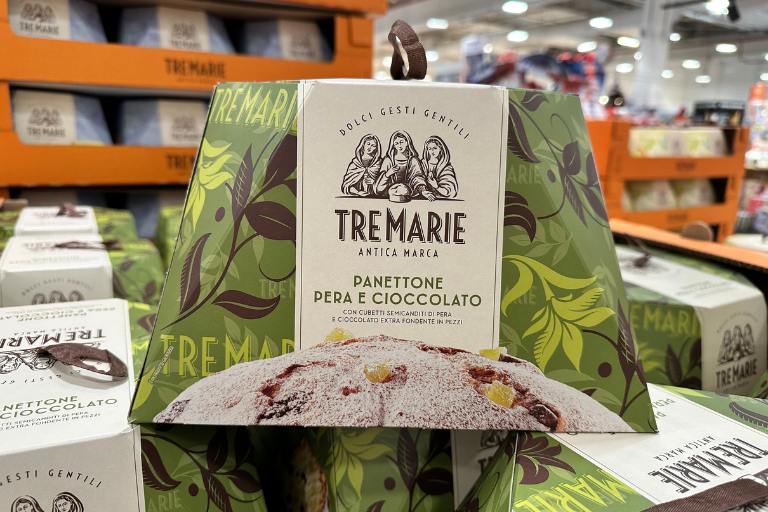
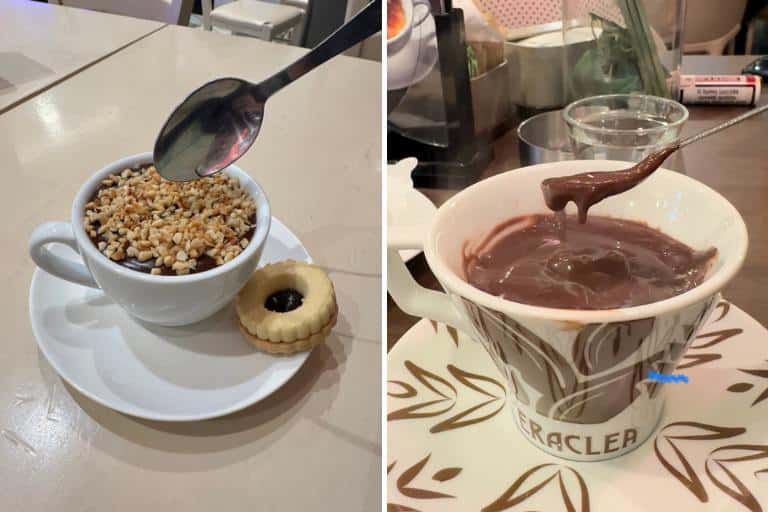
Hot chocolate in Italy (chocolato fondente) is thick and rich, think of it more like pudding than a drink. This is prime season for chestnuts, mushrooms and winter vegetables. Markets overflow with radicchio, cavolo nero (black kale) and puntarelle. White truffles from Alba are still available in early December.
Midnight Mass on Christmas Eve is a big tradition, followed by a seafood feast. Many restaurants offer special Christmas menus if you’re in Italy for the holidays. Make sure to book your table in advance.
Where to go in December
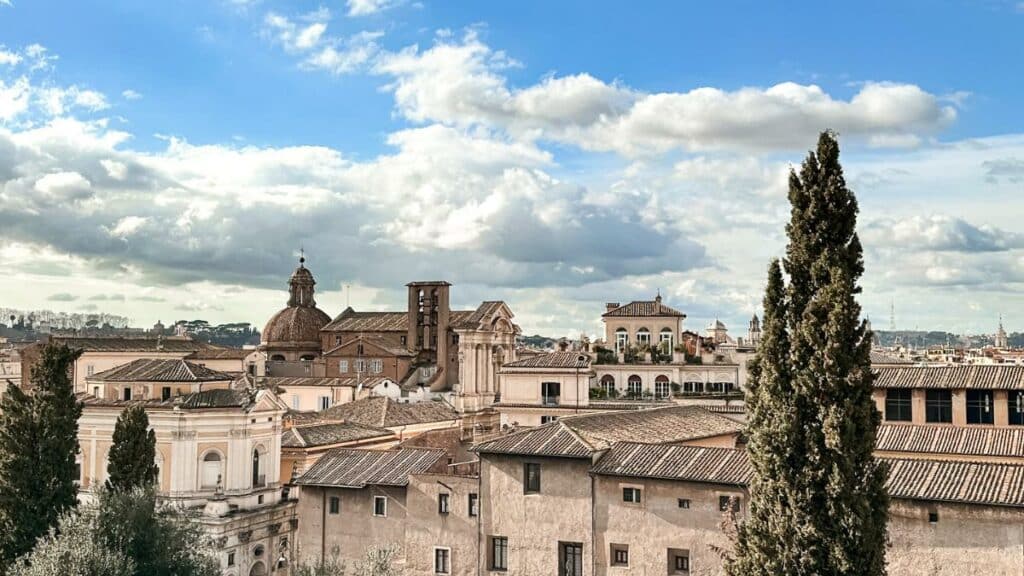
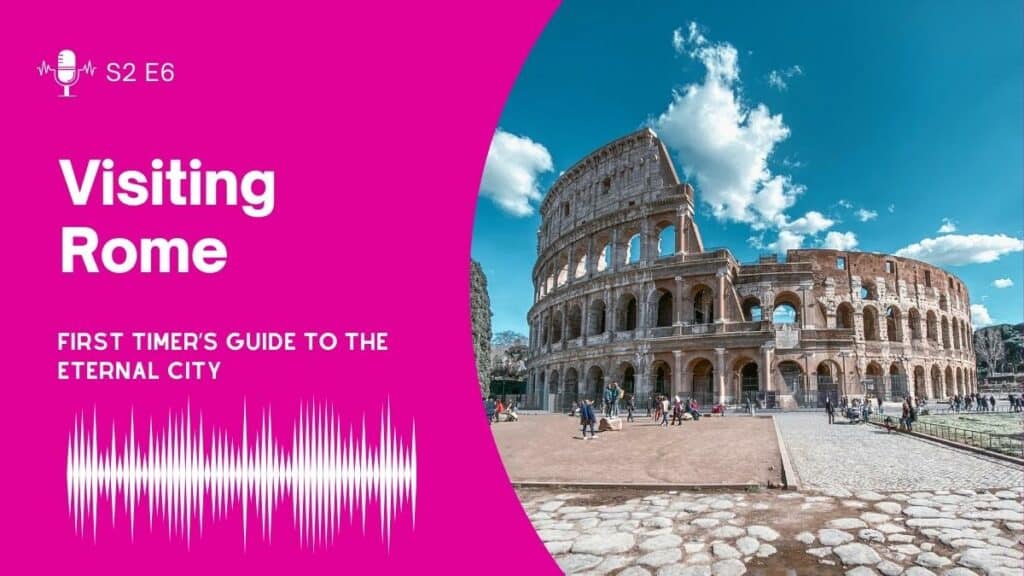
December is a great time to visit many of the main attractions, like Pompeii and Paestum in Campania, the Valley of the Temples in Sicily, or the Colosseum in Rome. It’s also an ideal time to explore cities and embrace the Christmas season across the country.
- Rome shines in December. You can actually enjoy the Vatican Museums and the Sistine Chapel. The Roman Forum lets you imagine ancient Rome without fighting through tour groups. Christmas decorations light up Piazza Navona and the Spanish Steps. Book ahead for Christmas Day if you want to see the Pope’s blessing.
- Florence becomes even more beautiful. The Uffizi Gallery and Accademia (home of Michelangelo’s David) have shorter wait times. You can stroll across Ponte Vecchio without the shoulder-to-shoulder crush. The Duomo complex stays open. Cozy wine bars and restaurants welcome you in from the damp chill.
- Milan does Christmas lights better than most Italian cities. La Scala opera season runs all winter. Shopping is world-class (though pricey). The Duomo looks stunning against grey winter skies. This is also your gateway to the Alps and Italian ski resorts.
- Mantua’s Renaissance palaces and the mist from the lake create a moody, cinematic setting for winter travel. The city stays quiet but never dull, making it perfect for slower days of museums and warm trattorie. Its historic core feels especially atmospheric in December. It’s a rewarding pick if you prefer gentle sightseeing over big-city bustle.
- Perugia offers a mix of medieval streets, hilltop views and a calm December rhythm. The city’s winter markets and cafés bring warmth on cooler days. It’s easy to explore on foot and has plenty of indoor culture for rainy moments. The atmosphere feels both relaxed and festive.
- Turin feels made for winter with its grand boulevards, historic cafés and impressive museums. December adds a glow of holiday lights that suits the city’s elegant style. It’s also an excellent month for warming up with chocolate treats and regional dishes. The overall atmosphere is refined but welcoming.
- Lecce often enjoys milder days compared to northern cities, and its golden stone buildings look beautiful in winter light. December is calm, local and filled with good food. The festive season brings a gentle, warm atmosphere rather than heavy crowds. It works well if you want culture in a relaxed southern setting.
- Bari blends coastal scenery with a very lived-in, local feel during December. Streets are lively but comfortable, and the food scene stays strong all winter. It’s a great base for exploring nearby towns.
- Cagliari often gets more sunshine than many mainland cities in December. Its historic quarters, sea views and relaxed cafés make it pleasant even on cooler days. The city stays lively with markets and seasonal food. It’s a good choice for travellers who enjoy quieter winter coastal destinations.
- Genoa’s narrow medieval lanes and grand palaces feel especially striking in winter. December brings a peaceful rhythm and plenty of indoor options for cooler days. The waterfront adds atmosphere even under winter skies. It’s a great fit if you prefer culture-heavy city breaks.
- Trieste offers a blend of Italian and Central European style. Its cafés, squares and waterfront feel cozy in December light. The city stays calm and approachable while still offering strong cultural experiences.
- Parma is refined and quiet in December, making it perfect for travellers who enjoy food and culture without crowds. The city’s art, opera history and warm trattorie pair well with cool weather. It’s easy to explore in a day or two. December highlights its gentle, elegant atmosphere.
- Bolzano feels vibrant in December thanks to its well-loved Christmas market and mountain backdrop. The city blends Italian and German traditions, giving it a unique winter personality. Cafés and small shops feel inviting on chilly days. It’s a great base for travellers who want a festive mood without the intensity of major ski resorts.
- Aosta pairs Roman history with striking Alpine scenery, offering a calm winter break. December brings crisp air, quiet streets and plenty of indoor cultural sites. It’s a good alternative to larger mountain destinations. Travellers who enjoy scenery and slow days appreciate its relaxed pace.
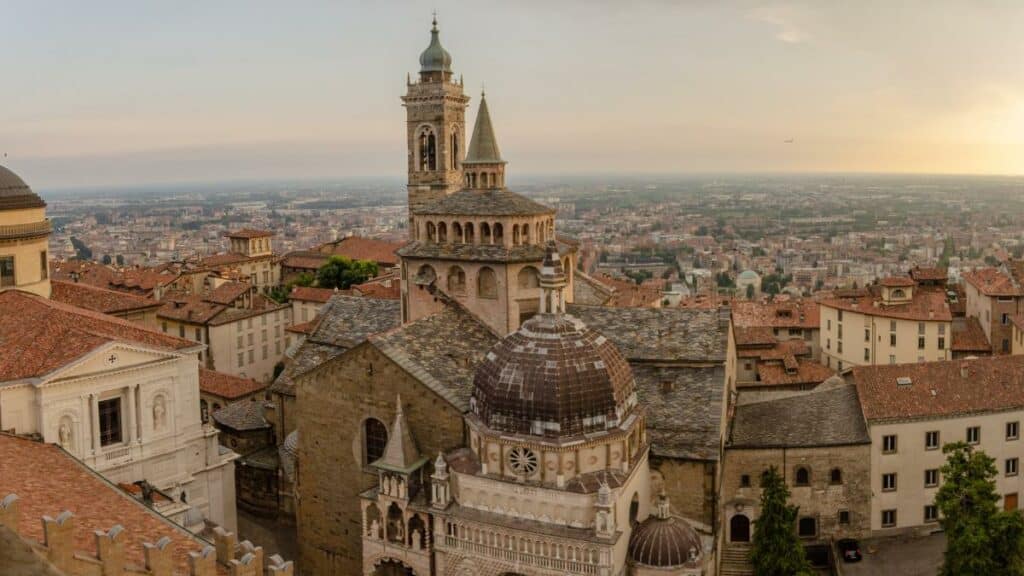
- Bergamo’s upper town feels magical in December, with stone walls, winding lanes and warm lights. The city is close to Milan yet far quieter, making it an appealing winter base. Cafés and trattorie add a touch of comfort on chilly evenings.
Snow, slopes and mountain villages
The Italian Alps and Dolomites come alive in December as ski resorts open. Early-season snow is usually good by mid-December, though conditions vary year to year.
Cortina d’Ampezzo, in the Dolomites, hosted the Winter Olympics in 1956 and will host them again in 2026. It’s fancy and expensive but gorgeous. The Aosta Valley offers fantastic skiing near the Austrian border and France. Val Gardena offers dramatic mountain views and excellent slopes.
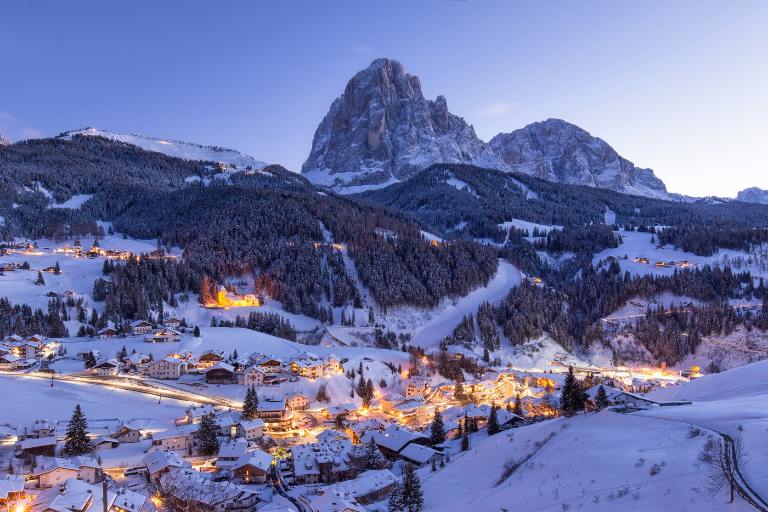
The Abruzzo region also has pretty spectacular ski resorts at higher altitudes that cost less than those in the famous northern resorts. Good option if you’re already in central Italy.
Not into skiing? Mountain villages are worth visiting just for the scenery and atmosphere. Towns like Ortisei, Courmayeur and Bormio offer winter sports, thermal spas, and cozy mountain restaurants. You can take cable cars up for panoramic views even if you don’t ski.
Tip for visiting Italy in December:
- Base yourself in one city and take day trips. Florence, Rome or Bologna work great. You can escape to museums, galleries and restaurants when the weather turns bad.
- Food-focused travel shines in December. Cooking classes, wine tastings, food tours, and market visits all take place indoors or under cover. Book experiences in advance, since some close for holidays.
- Combine the city and the countryside. Spend three days in Rome, then head to Umbrian hill towns. Or start in Milan and move south through Tuscany. Build in buffer days for weather.
- Plan around Christmas markets. Use them as anchors for your trip. Spend a few days exploring markets in Bolzano, then move to Florence for museums and art.
The best way to handle December is staying flexible. Don’t pack every day with outdoor activities. Leave room for long museum visits, afternoon wine tastings and multi-course meals. That’s what winter in Italy does best.
Is December a good time to visit Italy?
It depends on what you want out of your trip. December works great if you prefer fewer crowds, don’t mind cooler weather, and want to save money. It’s ideal for museum lovers, art fans, food enthusiasts and anyone interested in Christmas traditions. It’s also great if you love outdoor winter activities.
December isn’t for everyone. But if you come prepared for winter weather and plan around it, you’ll find Italy at its most authentic. The country slows down, locals have more time to chat, and you’ll see places without the summer crush. That’s worth a little cold weather.