Is Italy in November a good time to visit? I get asked this all the time, and as someone who lives here, my answer is always the same: absolutely, if you know what you’re getting into.
- Crowds thin and major sights become enjoyable; museums, restaurants, and cities feel local again, making iconic sites actually visitable.
- Expect cool, often rainy weather; pack layers, waterproof shoes, and plan daylight sightseeing earlier because days get short.
- November brings truffle, olive, and chestnut festivals, early Christmas markets, delicious seasonal food, and generally better prices than peak season.
November gets a bad rap. Most travellers skip right over it, chasing warmer months or Christmas magic. But here’s what they miss: empty museums, real prices and Italy without the crowds. You can actually see the Sistine Chapel without someone’s elbow in your ribs. You can book a table at that popular restaurant in Rome’s historic center without planning three weeks ahead.
Sure, the weather isn’t beach-perfect. You’ll need a jacket and an umbrella. But if you’re here for the art, the food, the culture — all the things that make Italy special — November delivers. The locals are back to their regular routines. The cities belong to the people who live in them again.
And honestly? That’s when Italy feels most like itself.
Let me walk you through what Italy in November really looks like here, so you can decide if it’s right for your trip.
Weather in Italy in November
November weather in Italy changes more than most people realize. The first half of the month (roughly through November 15) still has decent weather. You’ll get sunny days mixed in with clouds. Temperatures stay comfortable enough for walking around cities. Rain happens, but it’s not constant.
But by mid-month, cooler weather settles in across the country. The northern regions get noticeably chilly, and rain becomes more common everywhere. To me, it feels more damp than cold, but I’m comparing this time of the year to what it’s like in Canada.
Late November is when Italy really transitions into winter mode. Expect chilly, rainy days, especially in the north. In many regions, Italy’s rainiest month is actually November, so pack accordingly. Remember that the further north you go, the cooler it will be and you might even encounter snow in the mountains.
Temperature overview by region
| Region | Average high | Average low | What to expect |
|---|---|---|---|
| Northern Italy | 10-13°C | 3-7°C | Cool and damp, frequent rain |
| Central Italy | 14-17°C | 7-10°C | Mild but unpredictable, rainy spells |
| Southern Italy | 17-20°C | 10-13°C | Warmer, more sunny days possible |
| Islands (Sicily, Sardinia) | 18-21°C | 11-14°C | Mildest temps, occasional warm days |
Daylight and how it affects your experience
Sunset comes early in November, especially closer to the end of the month. This actually changes how you experience Italy.
Your outdoor sightseeing needs to happen earlier. Plan museum visits and walking tours for daylight hours. Save indoor experiences, like wine bars, restaurants and cooking classes, for the evening when it’s dark outside.
Crowds and prices
November is low season across Italy, and you’ll feel the difference immediately. However, don’t expect prices in major cities like Rome to drop once November hits. I think there is no such thing as off-season in Rome anymore, and the prices reflect that.
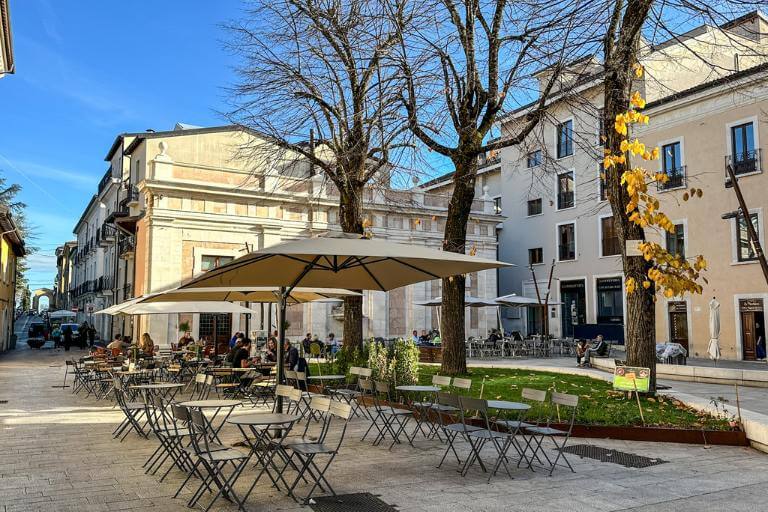
The good news is that major tourist destinations that get mobbed from April through October become manageable again. You can walk through the Vatican Museums without being pushed along by the crowd. The Uffizi Gallery lets you see the paintings. Even Venice’s narrow streets feel breathable.
The trade-offs of Italy in November
Travelling to Italy in November might not work for everyone, as there are some drawbacks. Some beach towns shut down completely, so if you’re looking for a quintessential Italian summer vibe, November is not for you.
Smaller museums and attractions might have reduced winter hours, so you really have to double-check opening hours. Many restaurants in tourist areas may close an extra day or two per week, but that doesn’t mean that you won’t find somewhere to eat. After all, people live here year-round.
The weather can also impact your outdoor plans. If you plan to hike or engage in any water activities, make sure to check trail conditions and whether tour or boat operators are still open. They might run less frequently, or not at all.
Money-saving tip: Book accommodations with free cancellation. November weather is unpredictable, so having flexibility helps. Also, skip the pricey restaurants near main attractions — they’re the ones that stay open for tourists. Walk a few blocks further to where locals eat, and you’ll find better food at better prices.
Events and festivals
November in Italy brings food festivals, saints’ days, and the very beginning of Christmas market season.
All Saints’ Day (November 1)
This national holiday is huge in Europe and Italy is no different. You’ll see many families visit cemeteries to honour loved ones. Many shops and some restaurants close or have limited hours. It’s not a tourist event, but it gives you a window into Italian family life and traditions.
National Unity and Armed Forces Day (November 4)
Another public holiday, celebrating Italy’s military and the end of World War I. You’ll see ceremonies at war memorials, especially in Rome. Not a major tourist draw, but banks and government offices close.
Truffle festivals
This is truffle season across central and northern Italy, and the festivals are incredible. The White Truffle Festival in Alba (Piedmont) runs through November and draws food lovers from everywhere. You’ll find truffle markets, tastings and dinners built around this prized ingredient.
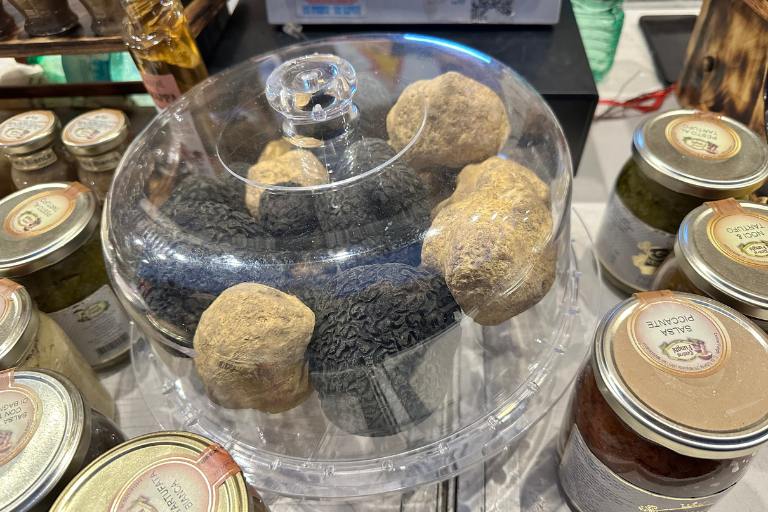
Smaller towns host their own truffle fairs, too. San Miniato in Tuscany, Gubbio in Umbria, and Acqualagna in the Marche region all celebrate. Even if you don’t love truffles, the atmosphere — food stalls, local wine, live music — makes these events worth attending.
Olive harvest and oil festivals
November is olive harvest time. Towns across Tuscany, Umbria, and southern Italy hold festivals celebrating new olive oil. You can watch the pressing process, taste freshly pressed oil from the mill, and learn about the production process. These festivals feel authentic and local, not staged for tourists.
Chestnut festivals (Sagre delle Castagne)
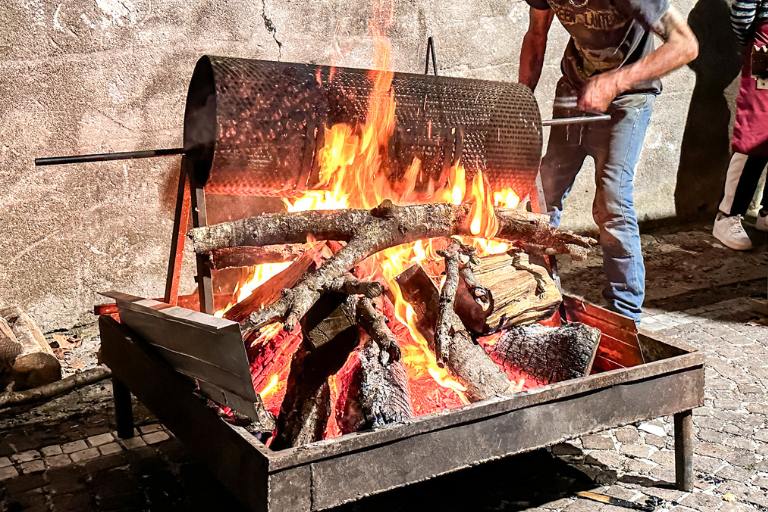
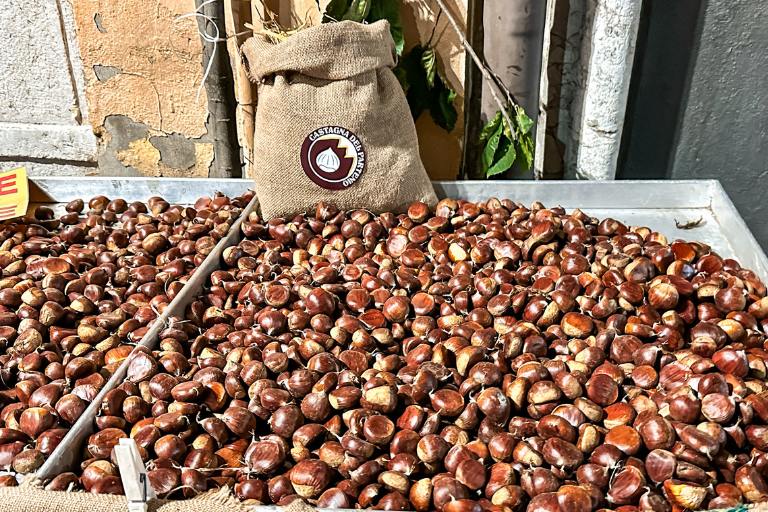
Mountain towns and hill country celebrate chestnut harvest with weekend festivals. You’ll eat roasted chestnuts, chestnut flour pasta, and chestnut-based desserts while listening to folk music. It’s simple, traditional and delicious.
Festa della Salute (November 21, Venice)
Venice celebrates this religious festival with a procession across a temporary bridge to the Salute church. Locals light candles and give thanks. Street vendors sell sweets. It’s a quieter Venice tradition compared to Carnevale, but it’s genuinely local.
Early Christmas Markets
Late November marks the beginning of holiday markets in northern cities. Bolzano, Trento and other Alpine towns start setting up wooden chalets selling crafts, mulled wine, and seasonal treats. The full Christmas market season doesn’t peak until December, but getting there in late November means smaller crowds and a more relaxed vibe.
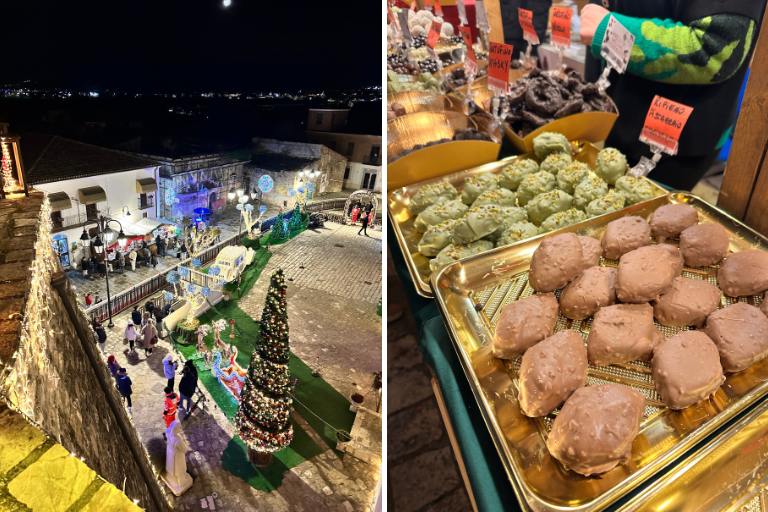
While Christmas markets in Italy are not as popular as they are in northern Europe, many towns are starting to host them. To me, they feel more like an Italian sagre vibe with Christmas decor. They are not bad, just different.
Best places to visit in Italy in November
November works differently across Italy’s regions. Some places shine in cooler weather. Others close up tight.
Rome
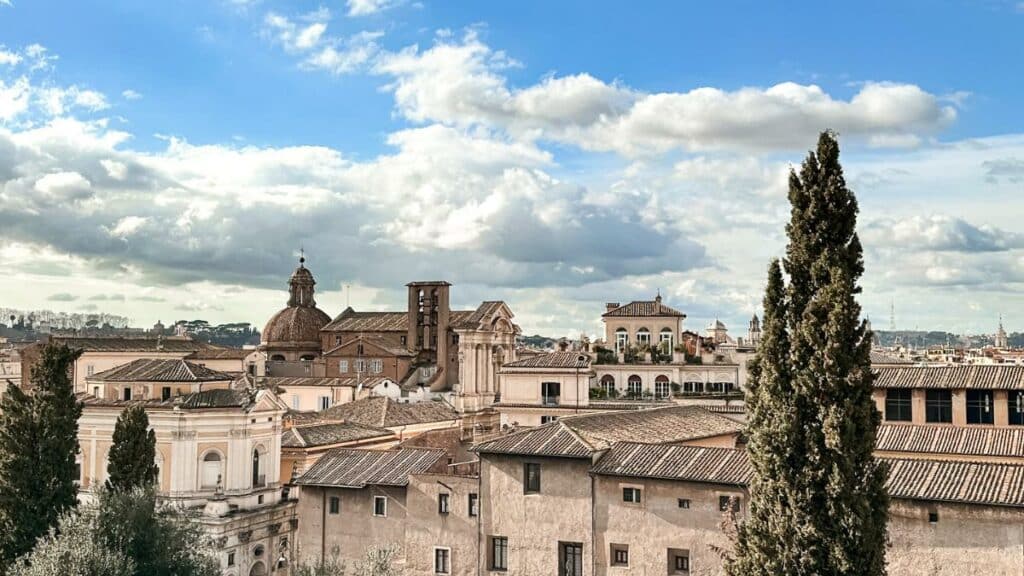
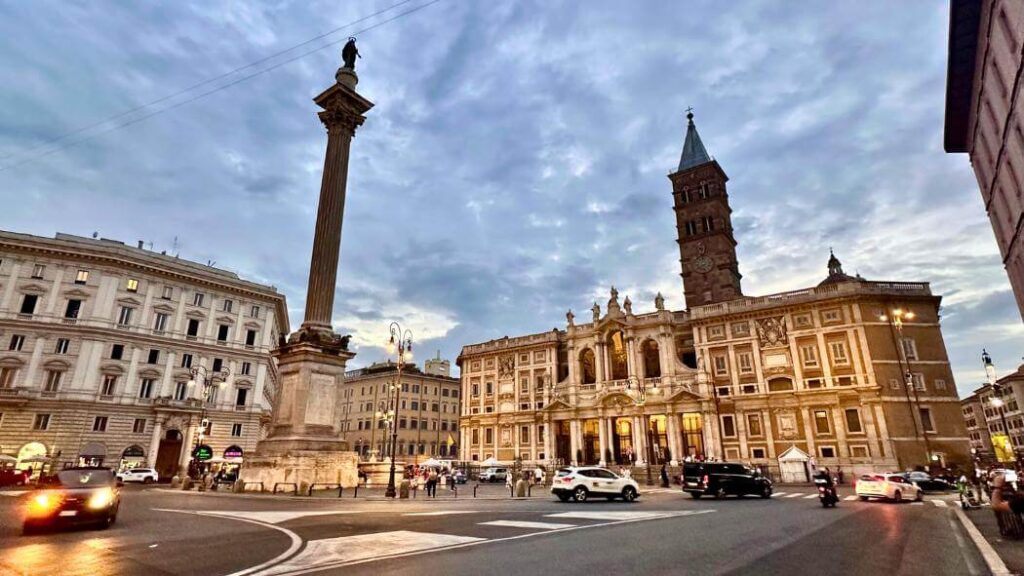
The Eternal City is excellent in November. Cooler temperatures make walking around actually pleasant instead of sweaty. You can visit the Roman Forum, Colosseum, and Vatican City without overheating or fighting through massive crowds.
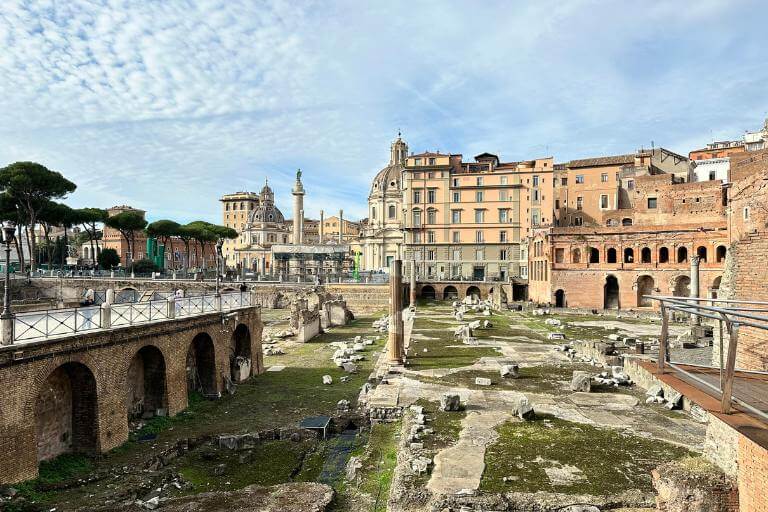
The Vatican Museums are still busy (they’re always busy), but nothing like summer. Book a morning slot and you’ll move through at a reasonable pace. The Sistine Chapel is still packed, but at least you can see the ceiling.
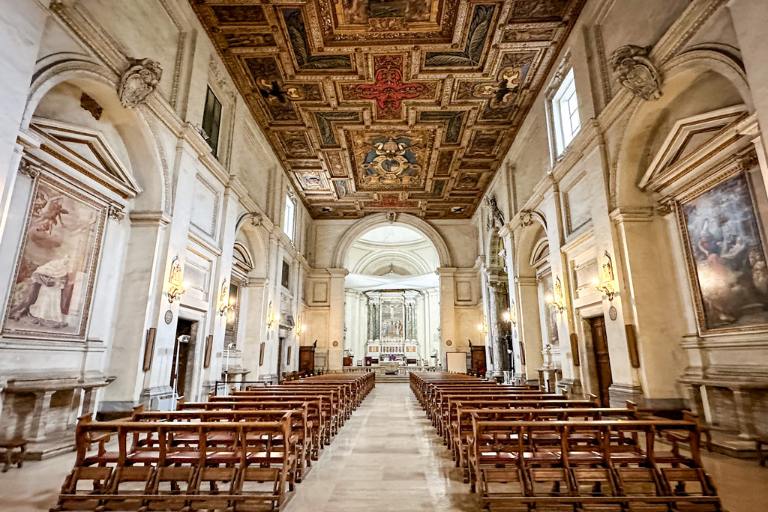
November is perfect for exploring Rome’s neighbourhoods. Wander Trastevere without the tour groups. Have lunch in Testaccio, where locals eat. Browse the markets. Visit smaller museums, such as Palazzo Doria Pamphilj, that are overlooked during high season.
Rainy days? Rome has you covered. Duck into churches (they’re everywhere and free). Spend hours in the Borghese Gallery. Have a long lunch at a local restaurant.
Florence
Florence in November feels almost local again. You can get into the Uffizi Gallery without booking weeks ahead. The Duomo’s dome climb — usually a sweltering ordeal in summer — becomes manageable.
The covered Mercato Centrale is perfect for rainy days. Eat at the upstairs food hall, browse the ground floor market stalls, and watch Florentines shop for dinner ingredients.
November is ideal for day trips into Tuscany’s small towns. Siena, San Gimignano and Lucca empty out. You can park easily (a miracle), walk around without bumping into tour groups, and eat at good restaurants without reservations.
Venice
Venice in November gets tricky. Late November brings acqua alta — seasonal flooding in low-lying areas like Piazza San Marco. The city installs raised walkways, locals wear boots, and tourists splash through the water. It’s part of the experience, but pack accordingly.
That said, November Venice is magical. The crowds thin dramatically. You can photograph the Rialto Bridge without 50 people in your shot. Restaurants stop their tourist-trap pricing. You feel like you’re visiting a real city instead of a theme park.
Visit the smaller islands — Murano, Burano, Torcello — which are gorgeous and empty. Save rainy afternoons for Doge’s Palace or Ca’ Rezzonico. Find a bacaro (wine bar) and drink with locals, not tour groups.
Sicily
Sicily in November is perfect for history nerds. Visit the Valley of the Temples in Agrigento, the Roman mosaics in Piazza Armerina, and the Greek theatres in Taormina without melting in the summer heat or fighting crowds. Cities like Palermo and Catania buzz with everyday life, not tourist chaos.
Sardinia
Sardinia transitions into local mode. Beach resorts close, but cities like Cagliari and Alghero stay lively. This is the time for cultural sites and inland villages. Keep in mind that it might be more challenging to get around the island (especially in the more inland areas) without a car.
Puglia
Puglia (the heel of Italy’s boot) also works beautifully. Explore Lecce’s beautiful architecture, visit Alberobello trulli houses, and eat incredible Italian food without summer’s stifling heat. Prices drop significantly compared to summer.
Amalfi Coast
The Amalfi Coast offers a different vibe, where you can actually enjoy your experience. Some smaller hotels and seasonal shops close in the smaller towns, but there are still plenty of restaurants to enjoy. Towards the end of November, the Christmas lights come out, giving the whole place a festive vibe.
Amalfi and Positano host Christmas markets and have special traditions. Atrani is known for its lights and nativity scene transformation. Praiano features a permanent nativity scene carved into a rock, and Ravello hosts Christmas concerts.
Lesser-known gems
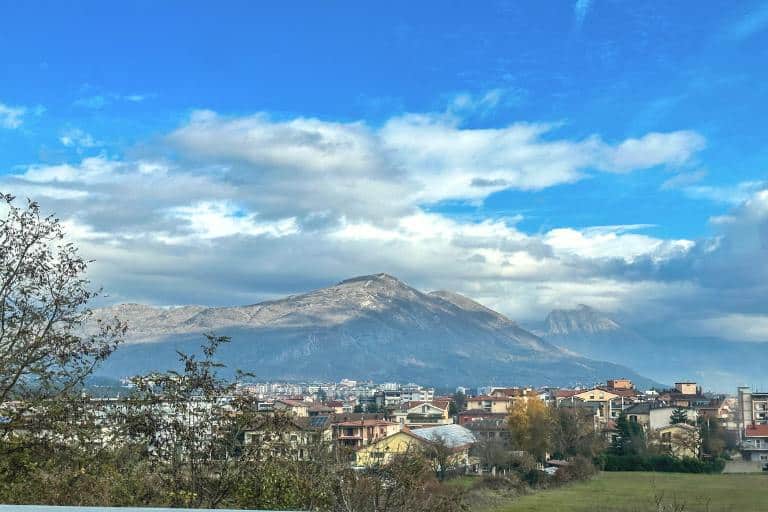
- Abruzzo: This central Italian region, east of Rome, stays under the radar even in high season. November is a great time to explore medieval hill towns like Santo Stefano di Sessanio or the stunning L’Aquila, the 2026 Italian Capital of Culture. The mountains get cold, but the food (think lamb, pecorino, pasta) is perfect for chilly weather.
- Umbria: Tuscany’s neighbour offers similar beauty with fewer tourists. Perugia, Assisi, Orvieto and Spoleto are all excellent in November. You’ll catch the end of truffle season and olive harvest. The rolling hills look beautiful even under grey skies.
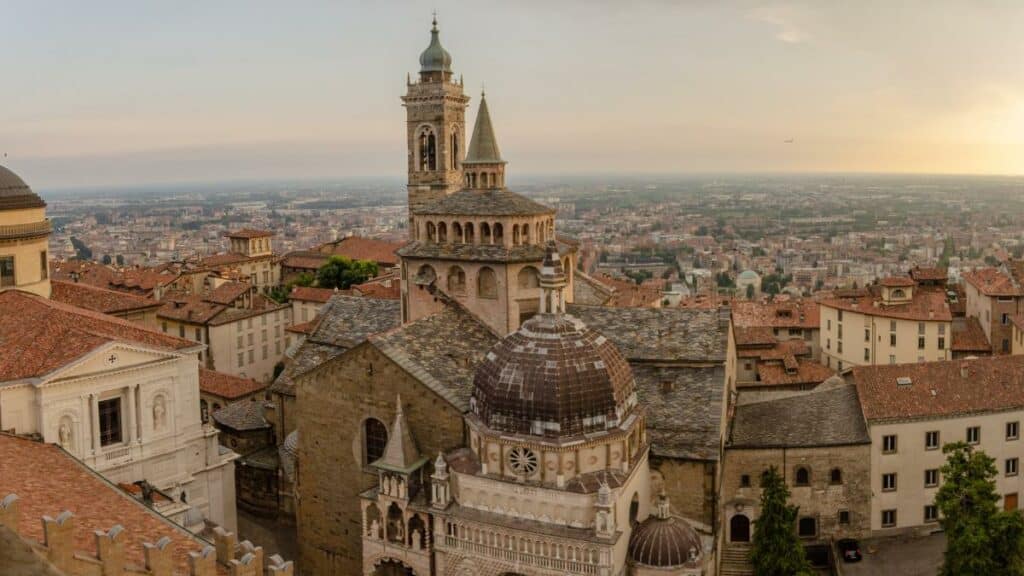
- Ravenna: Northern Italy’s capital of Byzantine mosaics, is perfect for November. It’s not a beach town, so the weather doesn’t matter much. Spend days admiring 1,500-year-old mosaics, eating your way through trattorias, visiting covered markets, and exploring the historic center. The porticoes (covered walkways) keep you dry when it rains.
- Matera: The ancient cave city in Basilicata is actually better in cooler weather. Summer heat makes walking the sassi (cave districts) exhausting. November brings comfortable temperatures and dramatic light for photography.
What to pack for Italy in November
Packing for November in Italy means layers, rain gear and realistic expectations about the weather.
Clothing essentials
Layers are everything. Mornings start cool, afternoons can warm up (especially early November in the south), and evenings get cold. Pack:
- A warm jacket (waterproof is best)
- Sweaters or fleeces, you can add or remove
- Long pants (jeans work fine)
- Long-sleeve shirts
- A scarf (locals wear them constantly)
Rain gear: Bring a compact umbrella and a waterproof jacket. Those cute trench coats don’t cut it when it really rains. If you’re doing a lot of walking, waterproof shoes or boots are worth it.
Good quality walking shoes: This is critical. You’ll walk miles on cobblestones and uneven surfaces. Comfortable, waterproof, broken-in shoes prevent misery. Skip the new shoes — blisters ruin trips.
Timing and local tips
- Arrive at outdoor attractions early. Daylight runs out by 5 p.m., so plan your main sightseeing for the morning and early afternoon. Save museums and indoor experiences for late afternoon and evening.
- Public transport runs normally in big cities but might be reduced in smaller towns and coastal areas. Check schedules ahead of time.
- Book dinner reservations, even in November. Good local restaurants fill up with Italian diners, especially on weekends. Places near tourist sites will take walk-ins, but you don’t want to eat there anyway.
- Markets happen year-round but might close earlier or skip rainy days. Visit morning for the best selection.
- Train travel works great in November. High-speed trains between major cities run on normal schedules. Regional trains might run less frequently, but main routes are reliable.
Is November a good time to visit Italy?
November works for specific types of travelers. It doesn’t work for everyone, but I think it offers a more authentic experience.
- Museum and art lovers: You can finally see Italy’s incredible collections without elbow-to-elbow crowds. The Uffizi Gallery, Vatican Museums and Borghese Gallery become enjoyable instead of stressful.
- Foodies: Truffle season, olive harvest, chestnut festivals and normal local restaurants (not tourist traps) all peak in November. It’s your chance to eat seasonal flavours you won’t find in the summer.
- Solo travelers: Quieter cities feel safer and less overwhelming. You can meet locals more easily. Hostel common rooms and tour groups are smaller and friendlier.
- Couples seeking quiet: Want romantic Venice without being shoved around San Marco? November delivers. Cozy restaurants, empty streets, and intimate experiences replace summer chaos.
- Slow travelers: November rewards people who linger. Sit in cafes. Wander neighbourhoods. Chat with shopkeepers. The pace slows down, which is when Italy really reveals itself.
- Budget travelers: Lower prices across the board — flights, hotels, tours, and even some restaurants. Your money goes further.
The late November transition
Late November shifts toward Christmas mode. Markets start appearing in northern cities. Decorations go up. The festive mood begins building toward December.
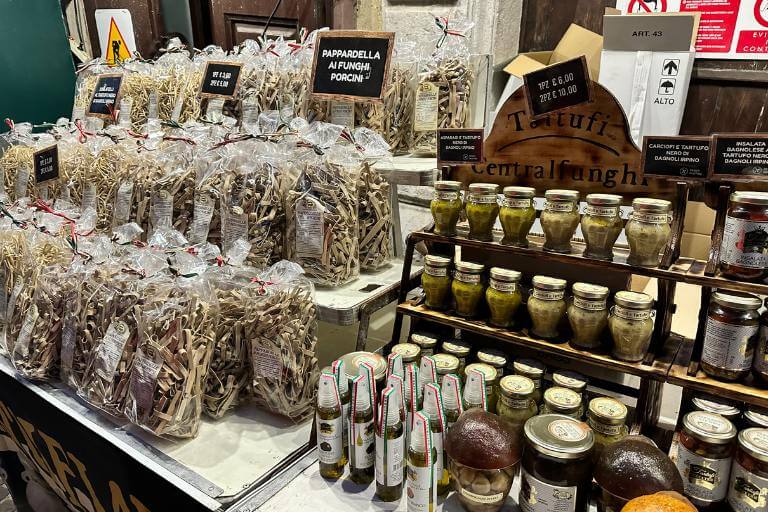
Some attractions and restaurants close for seasonal breaks. Check opening hours before planning your itinerary. Churches and major museums stay open, but smaller sites might close. The weather gets colder and wetter. If you’re coming in late November, pack for winter, not fall.
My honest take on Italy in November
Living here, I’d pick November over July or August any day. Summer in Italy is crowded, expensive and honestly exhausting. November in Italy feels real. You see how locals live. You experience the rhythms of normal life rather than the chaos of tourist season.
Yes, you’ll need an umbrella. Yes, it gets dark early. But you’ll also have the Roman Forum without tripping over others. You’ll book that restaurant everyone raves about. You’ll pay half what summer visitors pay. And you’ll leave feeling like you actually visited Italy, not just a bunch of crowded landmarks.
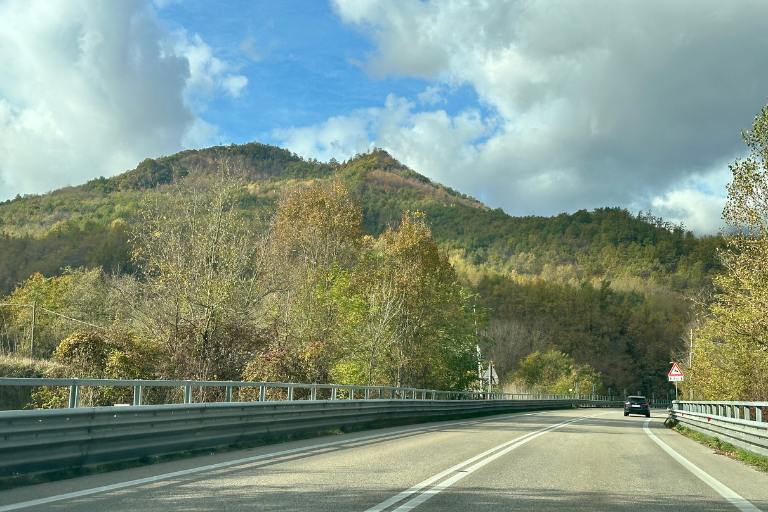
If you’re the type who wants sunny days and beach clubs, wait for spring or early fall. But if you want Italy’s culture, food, art and history without the madness? November is an ideal time.