One of the most challenging things about planning your trip to Italy is deciding when to go. Summer often gets all the glory, but it’s not for everyone. So, you might be asking, is September a good time to visit Italy?
I’ve lived in Italy for several years now, and September has become one of my favourite times to experience the country. The brutal August heat usually breaks, although it can still be pretty hot depending on where you are.
In this guide, I’ll walk you through everything you need to know about visiting Italy in September: what the weather is actually like across different regions, how crowded (and expensive) things get, which festivals are worth planning around, and where to go if you want to skip the tourist swarms.
Weather in Italy in September
September in Italy sits right at that sweet spot between summer and fall. You’ll still catch plenty of sunny days, but the oppressive heat that makes cities feel like ovens in July and August starts to ease. That said, the weather varies quite a bit, depending on where you are.
In the north, especially around the Po Valley, you might encounter morning fog as the month progresses. It burns off by mid-morning, but it can make early starts a bit gloomy. Down south and on the islands, you’re more likely to feel the Scirocco — a hot, humid wind that blows in from Africa. When it hits, the air gets heavy and sticky, even if the temperature doesn’t climb too high.
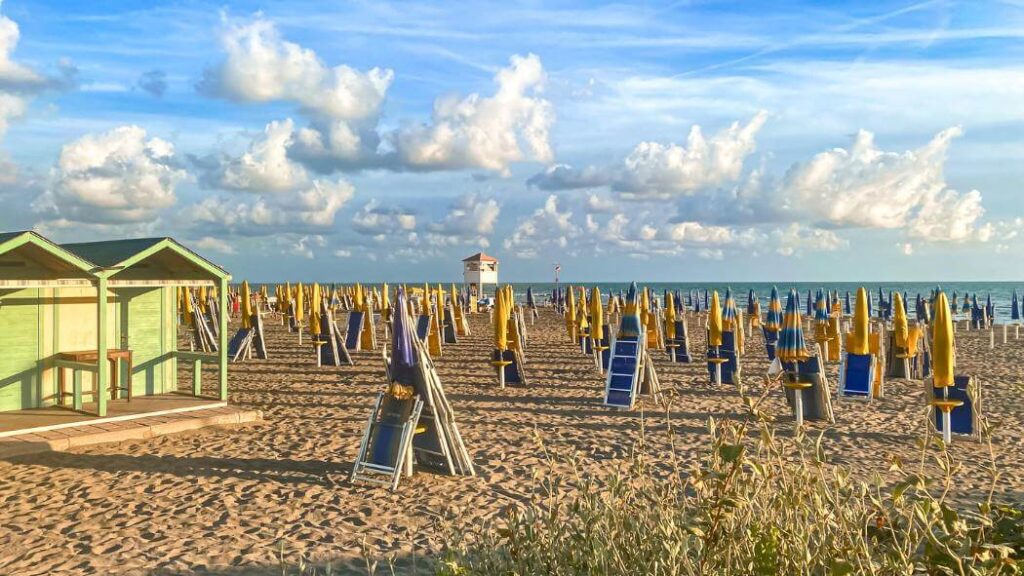
The rule of thumb is usually that the further south you go, the longer the warm weather lasts. Some years, tho, you’ll get more rainy days not just in the north, but all over the country, even in the southern regions.
Most days bring around 8 to 9 hours of sunshine, which is plenty for sightseeing or beach time. Daylight stretches from about 6:45 a.m. to 7:30 p.m. at the start of September, shrinking to around 7 a.m. to 6:45 p.m. by month’s end.
Here’s a quick snapshot of average temperatures across the country:
| Region | Average high | Average low |
|---|---|---|
| Northern Italy (Milan, Venice) | 24°C | 15°C |
| Central Italy (Rome, Florence) | 27°C | 17°C |
| Southern Italy (Naples, Bari) | 28°C | 19°C |
| Islands (Sicily, Sardinia) | 29°C | 20°C |
Packing tip: Bring layers. A light sweater or jacket will serve you well for rainy days and evening drinks on the patio. Comfortable shoes are a must for any season, plus I recommend adding a scarf, which can be useful for cooler nights and a lifesaver if you’re visiting religious sites with dress codes.
Crowds and prices
The idea that Italy in September offers mild weather, fewer crowds and off-season pricing is no longer accurate. It’s still busy, especially in touristy places like Rome, Florence, the Amalfi Coast and Cinque Terre. September can still be hot, and prices are still high.
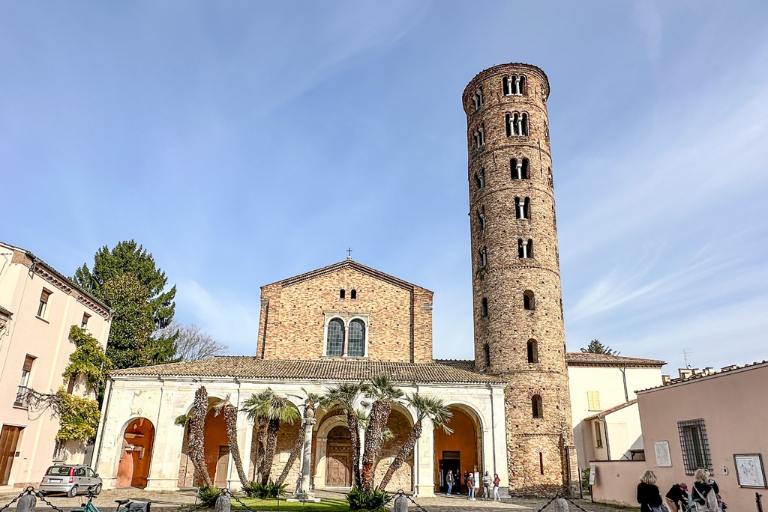
While the peak tourist season technically winds down after mid-August, schools don’t start everywhere until mid-September. This means many European families stretch their holidays into early fall.
You’ll still wait in lines, you’ll need to book tickets in advance for major attractions like the Uffizi Gallery or Vatican Museums, and you’ll compete for good dinner reservations. By the third week, things calm down a bit, but “calm” is relative when you’re talking about the Trevi Fountain or the Grand Canal.
If you’re set on visiting these popular destinations, aim for late September. Better yet, consider saving Rome and Florence for another trip and exploring less-travelled parts of the country instead (more on that shortly).

Flights and hotels in major cities remain expensive, especially in the first half of the month. You’ll find better deals as September rolls on, particularly in coastal areas where beach clubs start closing and accommodation rates fall.
Crowd-avoiding tip: Visit major attractions early in the morning or late in the afternoon. Museums often extend their hours in early September, so you can dodge the midday crush. And always, always book tickets online in advance.
September events and festivals in Italy
In the south, September brings religious festivals tied to local patron saints, often with processions, fireworks and street feasts. In northern Italy, the focus shifts more to harvest traditions and food.
Each region has its own flavour, so wherever you go, ask locals what’s happening — you’ll often stumble on small sagre that don’t make it into guidebooks.
Venice International Film Festival – Venice: One of the oldest and most prestigious film festivals in the world. Taking place at the end of August/early September, it’s an opportunity to catch a glimpse of famous movie stars, directors and other celebrities as they descend on Venice for premieres and red carpet events.
Regata Storica – Venice (First Sunday of September): A historical rowing event along the Grand Canal that has been celebrated for centuries. The event begins with a colourful procession of dozens of historic boats down the Grand Canal. These boats are crewed by people in Renaissance costumes, recreating the splendour of the ancient Republic of Venice.
Festa della Rificolona – Florence (September 7): Dating back to the mid-17th century, this event celebrates the Nativity of the Virgin Mary. The central feature is the paper lantern, once made by the farmers to illuminate their journey and now a symbol of the festival. Participants, especially children, parade through the city’s streets with their lanterns, often on canes.
Feast of San Gennaro – Naples (September 19): One of Naples’ most important religious festivals centres around the liquefaction of San Gennaro’s blood in the cathedral. Thousands gather in the piazza to witness the miracle, and eight days of processions, street fairs and celebrations follow. It’s an exciting (and crowded) time to visit the city.
Luminara di Santa Croce – Lucca (September 13): A beautiful religious procession that winds through Lucca’s historic centre after dark. Electric lights are turned off, and the town glows with candles and lanterns. Food and souvenir stands line the streets, creating a magical atmosphere.
Palio di Asti – Asti (Third Sunday of September): This historic bareback horse race through the streets of Asti rivals Siena’s famous Palio. The day includes medieval pageantry, flag throwing and intense competition between the city’s neighbourhoods. The entire town erupts in celebration.
Juliet’s Birthday – Verona (September 12): Verona celebrates Shakespeare’s famous heroine with entertainment, dances and performances throughout the city. It’s playful, romantic and a fun excuse to explore one of northern Italy’s most beautiful cities.
Milan Fashion Week – Milan (Mid to Late September): The place to be for fashionistas, designers, models and fashion insiders. The city buzzes with energy, shows and parties. Even if you’re not in the industry, it’s fascinating to people-watch and soak up the creative atmosphere.
Roma Europa – Rome (September through November): This fall festival features performances, dance, music and art across multiple venues in Rome. It’s a great way to experience contemporary Italian culture alongside the ancient ruins.
Wine Festivals Across Tuscany and Piedmont: Towns like Impruneta (near Florence) host the Festa dell’Uva (Grape Festival) in late September, with parades, live music and plenty of local wine. In Piedmont, you’ll find harvest festivals in the Langhe region, where you can taste Barolo and Barbaresco straight from the barrel.
Best places to visit in Italy in September
Most travel blogs point you to Rome, Tuscany, the Amalfi Coast, Cinque Terre, Sicily and the Dolomites. Those places are stunning, no question. But they’re also mobbed in September, especially early in the month. If you want to experience Italy without fighting through crowds or paying inflated prices, consider these lesser-known alternatives.
Abruzzo
After the first week of September, Abruzzo’s beaches empty out, but the weather stays warm enough for swimming. The region’s hilltowns come alive with sagre — local food festivals celebrating everything from porchetta to lentils.

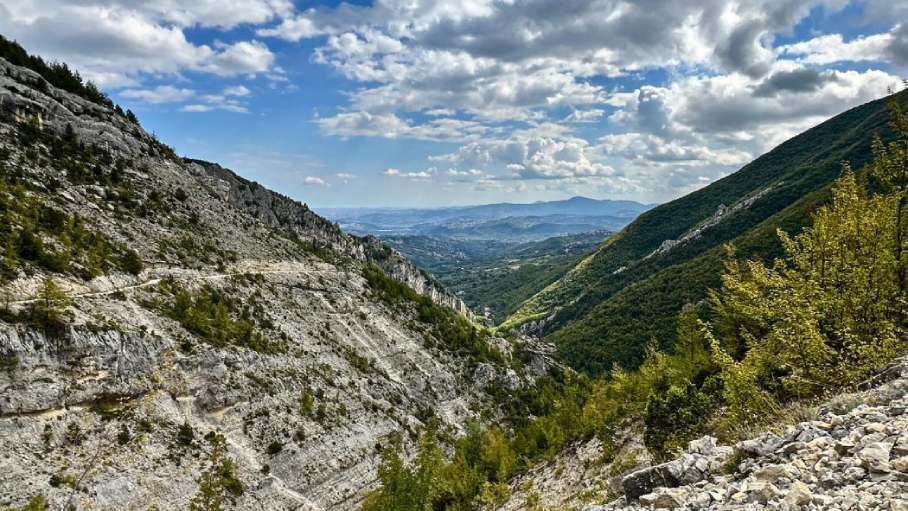
If you’re into hiking, the Gran Sasso or Majella mountains offer stunning trails with cooler temperatures than the coast. It’s Italy as it used to be: authentic, unhurried and cheap.
Upper Lazio (Tuscia)
This area north of Rome is full of Etruscan ruins, medieval villages and rolling countryside. September light is perfect for exploring ancient sites like Tarquinia or Cerveteri without the summer glare or tourist buses. Stay in a small town like Viterbo or Civita di Bagnoregio and soak up the atmosphere.
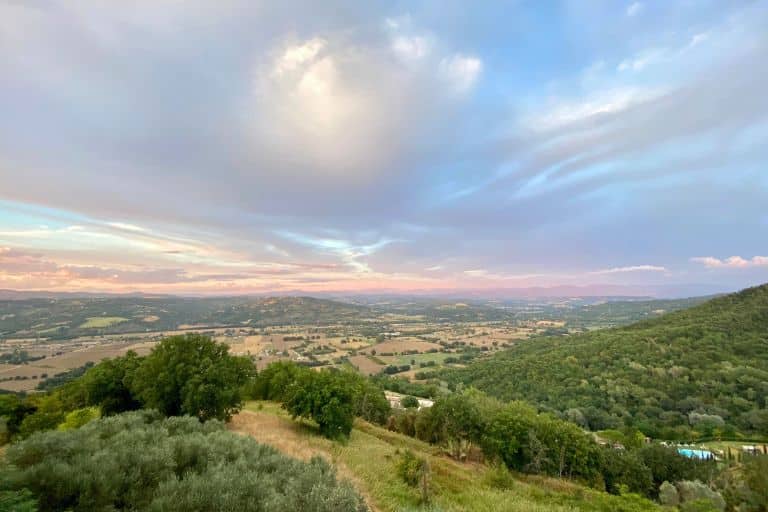
Le Marche
The Conero coast in Le Marche has some of Italy’s most beautiful beaches, tucked into rocky coves with turquoise water. By late September, the crowds thin out, but lifeguards still operate, and the sea is warm. Towns like Sirolo and Numana make excellent bases.
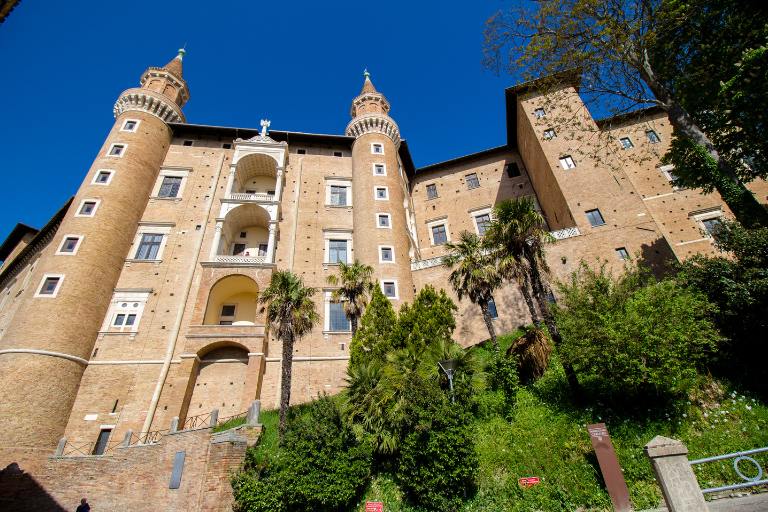
The region also offers rolling hills, hilltop villages and fantastic wine. I also recommend visiting Urbino, a magnificent throwback to Renaissance glory.
Inland Campania
If you love history and food but hate Amalfi Coast prices, head inland. Benevento has Roman ruins, a Norman cathedral and fantastic local restaurants.
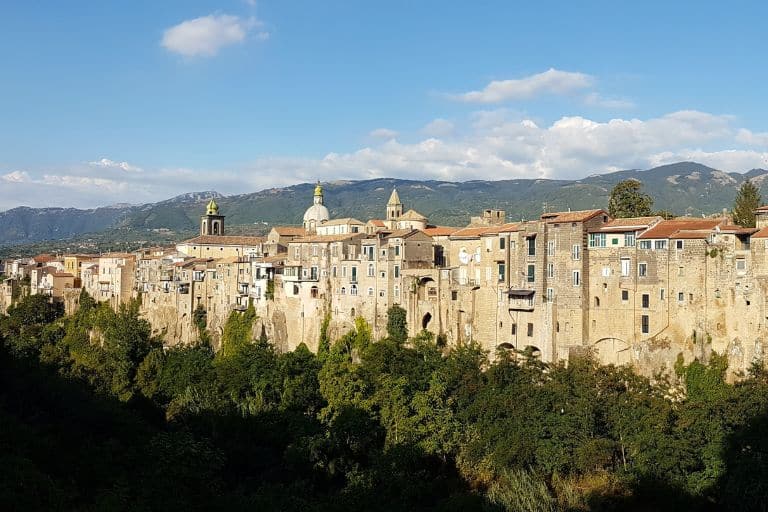
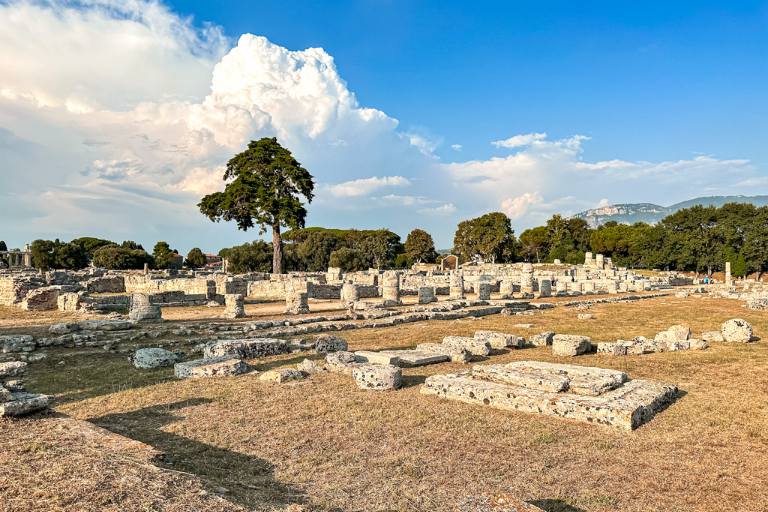
Sant’Agata de’ Goti is a tiny medieval town perched on a tuff cliff — it’s dramatic, photogenic and blissfully quiet. You’ll eat like royalty for a fraction of what you’d pay on the coast. Or head to Paestum, where you can check out ancient Greek temples with barely any crowds.
Val d’Orcia, Tuscany
Yes, Tuscany is popular, but the Val d’Orcia feels quieter in September. The rolling hills turn golden as the harvest begins, and small towns like Pienza and Montalcino host wine and cheese festivals. The weather is perfect for cycling or driving the scenic back roads. Book a farmhouse stay and you’ll feel worlds away from Florence’s crowds.
Lake Garda
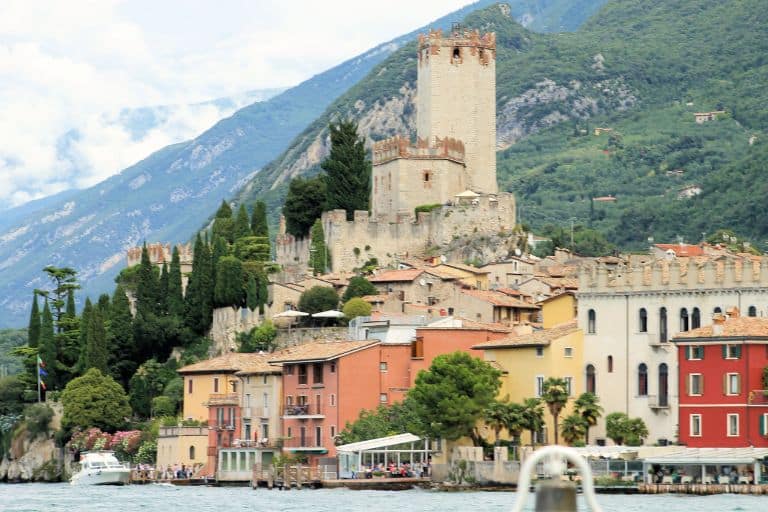
Northern Italy’s largest lake is gorgeous in September. The water is still warm enough for swimming, the hiking trails are open, and the villages around the lake (Malcesine, Limone sul Garda) are far less crowded than in summer. It’s also easy to reach from Verona or Milan.
Matera, Basilicata
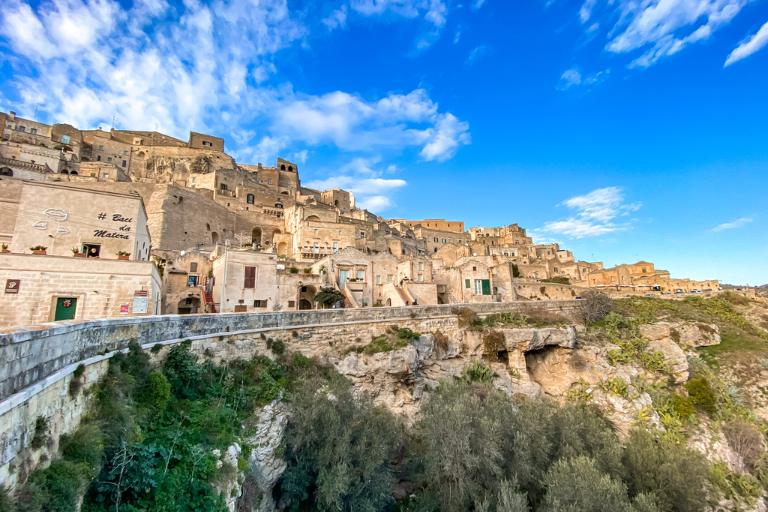
The ancient cave dwellings (sassi) of Matera are magical in September. The summer heat finally relents, making it comfortable to explore the winding streets and cave churches. The town is less packed than in peak season, and you can enjoy the unique atmosphere without constantly dodging tour groups.
What to pack for Italy in September
When packing for your trip in September, be prepared for a bit of everything. It’s still pretty warm, although the evenings can cool down, especially in the north or at higher altitudes.
Clothing
Lightweight layers like T-shirts, light pants or skirts for daytime, and a cardigan or light jacket for evenings. A scarf is useful as it adds warmth on breezy nights and covers your shoulders if you’re visiting churches or religious sites.
Footwear
Comfortable walking shoes are non-negotiable. Italian cities are full of cobblestones, uneven pavements and long stretches on foot. Break in your shoes before you go. If you’re planning beach time, pack sandals or flip-flops. A pair of slightly dressier shoes for dinners out is a good idea, too.
Weather protection
You probably won’t need heavy rain gear, but having an umbrella or a light raincoat will serve you well. Sunglasses and sunscreen are still necessary as the sun in southern Italy and on the islands is strong even in September.
What not to pack
Skip the heavy winter coat, bulky sweaters and serious hiking boots unless you’re specifically trekking in the mountains. You also don’t need a ton of formal clothing, as Italy is more relaxed than it used to be, though you’ll want to avoid looking too casual in upscale restaurants or historic sites.
Optional extras
A reusable water bottle (Italy’s tap water is safe and fountains are everywhere), a small daypack for sightseeing, a portable phone charger and a travel adapter for EU plugs.
Is September a good time to visit Italy?
So, is September a good time to visit Italy? Yes, if you know what to expect and plan accordingly.
This month is ideal for travellers who want a balance between good weather and slightly fewer tourists. It’s great for first-timers who want to see Italy’s highlights without melting in the summer heat, culture lovers who enjoy festivals and harvest traditions, and anyone willing to venture beyond Rome, Florence and Venice to discover quieter corners of the country.
As someone who lives here, I genuinely enjoy Italy in September. The light softens, the pace slows (a bit), and you start to see more of everyday Italian life as locals return from their holidays. Yes, you’ll still deal with crowds in touristy spots, but if you’re willing to explore lesser-known regions, you’ll be rewarded with an Italy that feels less like a theme park and more like a real place.