The Campania region of Italy is filled with history, stunning landscapes and culinary delights. It is rich in culture, home to famous archeological parks, UNESCO World Heritage Sites and remarkable architecture. Campania is also the most visited region of southern Italy, and the place we called home for the first few years of living in Italy.
- Ancient history preserved: Greek roots, Roman villas, Via Appia, and spectacular ruins like Pompeii and Herculaneum buried by Vesuvius.
- Volcanic soil fuels world-class cuisine: legendary pizza, fresh mozzarella, citrus, wines, and limoncello rooted in simple, flavorful ingredients.
- Stunning coastline and islands: Amalfi's cliff towns, ferry-linked Capri, Ischia, and Procida, plus beautiful beaches and seaside vistas.
- Palaces, castles, and ornate churches from Baroque to Neoclassical, highlighted by Caserta's royal palace and Naples' historic theatres.
- Outdoor paradise with nine national parks, Path of the Gods, Vesuvius treks, caves, waterfalls and abundant hiking and diving opportunities.
If you dream of Italy and/or are planning a trip there, chances are that Campania attractions are on your list. Here, you’ll find several heavy hitters for tourist attractions, from the Amalfi Coast and Naples to Pompeii and Capri. But there is so much more to discover, and we’re here to show you some of the highlights of what makes Campania an amazing region to explore.
Where is Campania?
The region of Campania is located in southern Italy. It borders Lazio in the north, Basilicata and Calabria in the south, with Molise and Puglia to the east. Campania’s western coast stretches along the Tyrrhenian Sea, with jagged hills and stunning views.
Campania has over 5.8 million residents and extends over 5,250 square miles. This makes it the third-largest region in Italy by population. The capital city of Naples is a major transportation hub of southern Italy with an international airport.
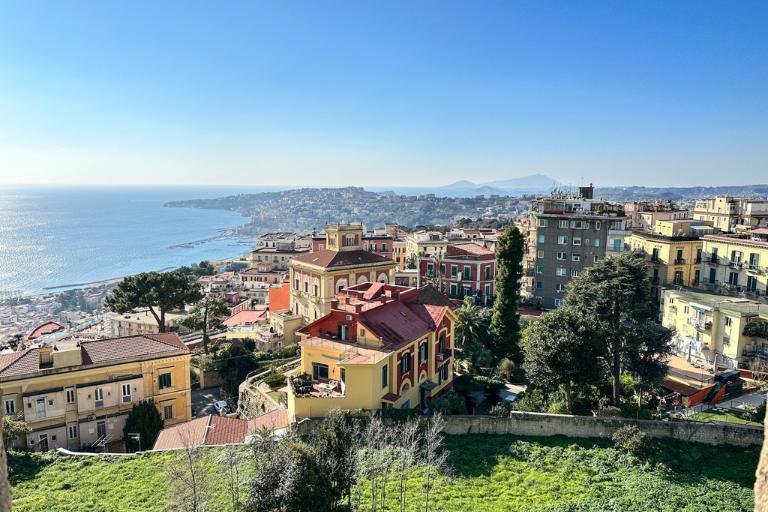
It also has a port that connects to many destinations in the Tyrrhenian Sea, including Cagliari, Genoa, and Palermo. A fast rail network connects Naples to Rome and the south, and the Circumvesuviana light railway.
History of the Campania region
Long before becoming the playground of the Romans, Campania was a Greek colony. It was settled during the 9th century B.C. and was part of what was known as the Magna Graecia (Latin for “Greater Greece”). After centuries of battles between different cultures, the Romans finally gained control of the region around the 4th century B.C.
Under the Romans, the region we know as Campania experienced economic growth. The construction of the Via Appia created a direct link to Rome and transformed the area into a destination for many noble Roman families. Today, cities like Pompeii, Herculaneum and Pozzuoli give us a glimpse into the past and how the Romans lived.
While the eruption of Mount Vesuvius in 79 A.D. destroyed several Roman cities, it also left the area vulnerable to barbarian invasions. After the fall of the Roman Empire, it became part of the Byzantine Empire. In later times, Campania was home to the powerful Duchy of Amalfi, a maritime republic that had its golden age between the 9th and 11th centuries.
The region saw many conflicts and wars. It was ruled by the Swabians and the French, Austrian and Spanish dynasties, with Naples as the seat of power.

The unification of Italy marked the end of Bourbon rule. World War II brought significant economic and social problems, with Naples and Salerno experiencing heavy bombing and destruction. In 1980, a massive earthquake devastated the area, leading to further economic struggles and the rise of organized crime.
Today, Campania’s economy has been strengthened by tourism, with visitors flocking to the many historical and cultural sites. While it might not be as developed as other Italian regions, Campania’s unparalleled beauty deserves to be explored.
Campania food + culinary specialties
There is no denying that Italian food is in a league of its own. That is even more true in the Campania region. The fertile soil produces incredible wines, olive oil, lemons, oranges, tomatoes, and cheeses, making this area the perfect foodie destination. It also gives the region its name – in Latin, it was called “Campania felix,” which means fertile countryside.
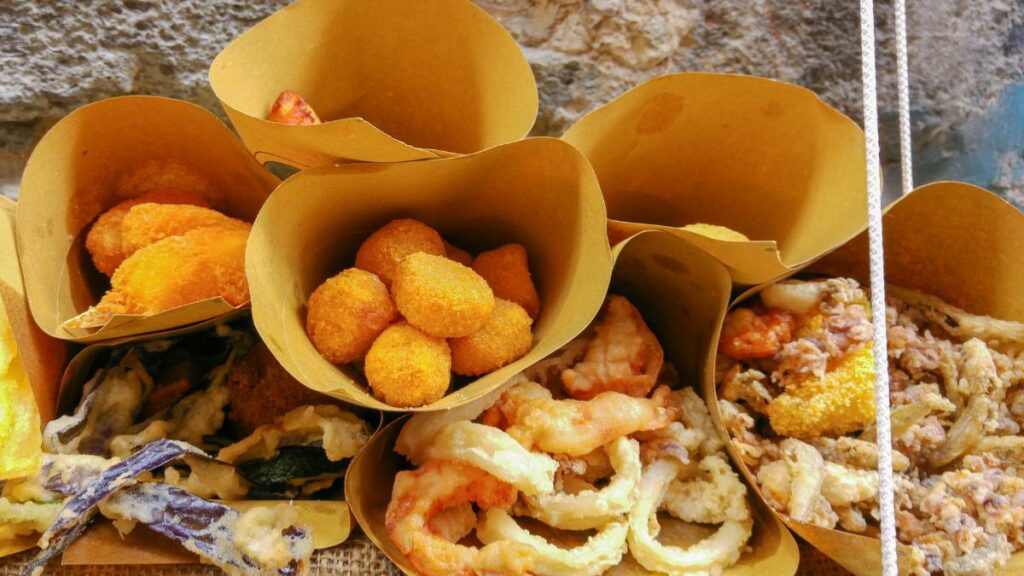
Many of the soil’s essential nutrients come from Mount Vesuvius, which ensures that the fruit and vegetables grown here are tasty and oversized. The Campania region is famous for pizza, cheeses, pasta, fresh vegetables, seafood and limoncello.
- Naples: Street food walking tour with local uide – book yours today
- Praiano: Cooking class with dinner overlooking the sea – treat yourself today
- Amalfi: Make fresh pasta, mozzarella & tiramisù with wine – book it before you go
Campania is also home to a flourishing winemaking industry that pairs nicely with the local diet. If you’ve watched Stanley Tucci’s Searching for Italy: Naples, you’ll note that many of the dishes here have humble origins and are made from simple ingredients.
Campania’s major cities
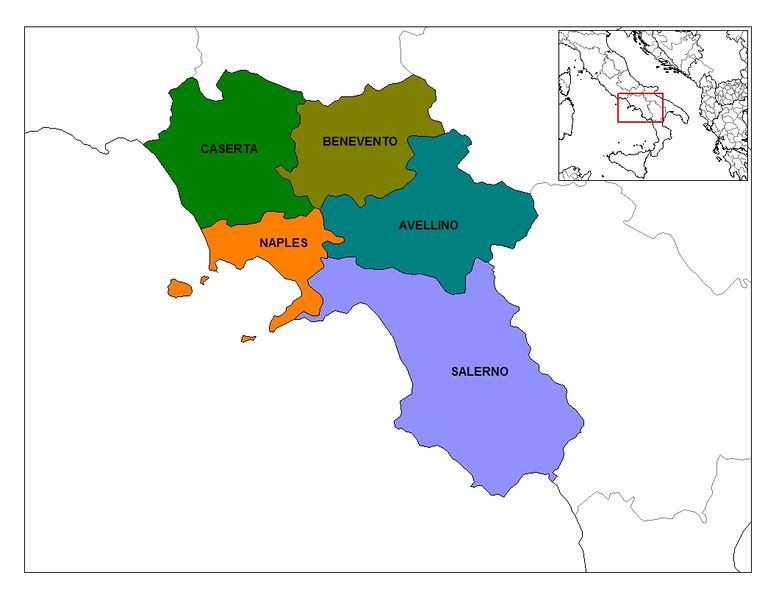
Campania’s five provinces offer something for everyone to explore. There are countless villages and towns set in mountainous terrain that will make you wonder how they manage to exist. From the coast to the mountains and everything in between, Campania’s beauty is what Italy is all about.
Avellino (AV)
The provincial capital of Avellino is surrounded by mountainous countryside, medieval villages, castles and wineries. This is also where our family lives and where we have made our second home. In 1980, the massive Irpinia-Basilicata earthquake devastated the area, killing about 3,000 people and causing extensive damage.
Benevento (BN)
Benevento and its province are home to several Roman archaeological sites and old medieval towns on green hills. The town dates back to Roman times, and according to legend, it was founded by Diomedes after the Trojan War. In later times, it was the foundation of the Papacy’s temporal powers in southern Italy.
Caserta (CE)
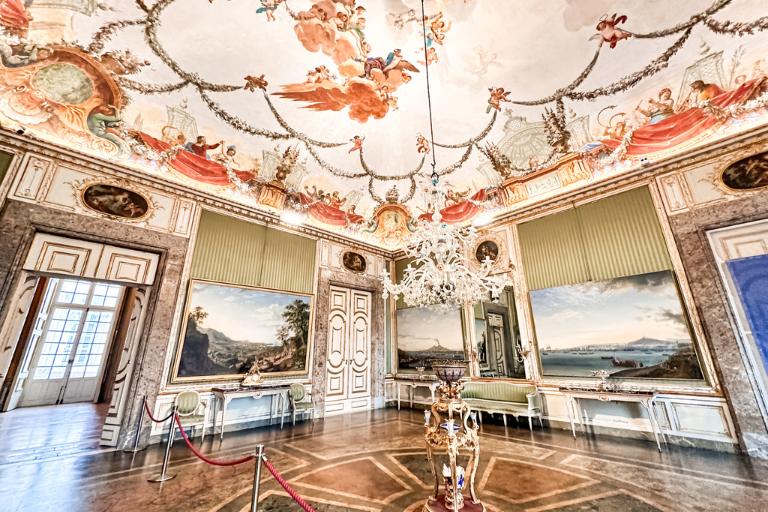
Caserta is home to the world’s biggest royal palace by volume – the Royal Palace of Caserta – and its stunning fountain-filled gardens. Here you’ll also find the 18th-century Carolino Aqueduct, the ruins of the Anfiteatro Campano (which once hosted gladiator fights) and the Monumental Complex Belvedere San Leucio, built as a model commune for silk factory workers.
Metropolitan City of Naples (NA)
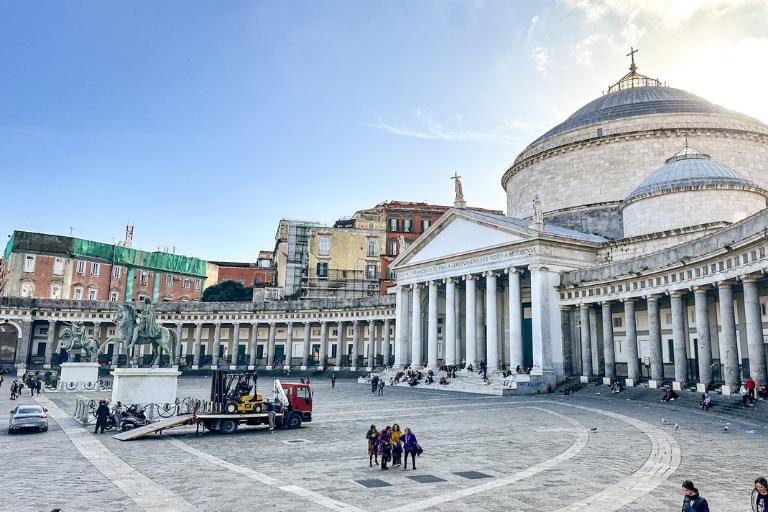
Naples is the capital of the Campania region and province. Here, you’ll find the largest historical centre in Europe, stunning islands, churches and monuments, delicious food, and the ancient Roman towns of Pompeii and Herculaneum.
Salerno (SA)
Salerno is where most tourists to the Campania region arrive to explore the Amalfi Coast, the ruins of Paestum and the Cilento National Park. The city of Salerno underwent several redevelopment projects over the years that restored its splendour and glory.
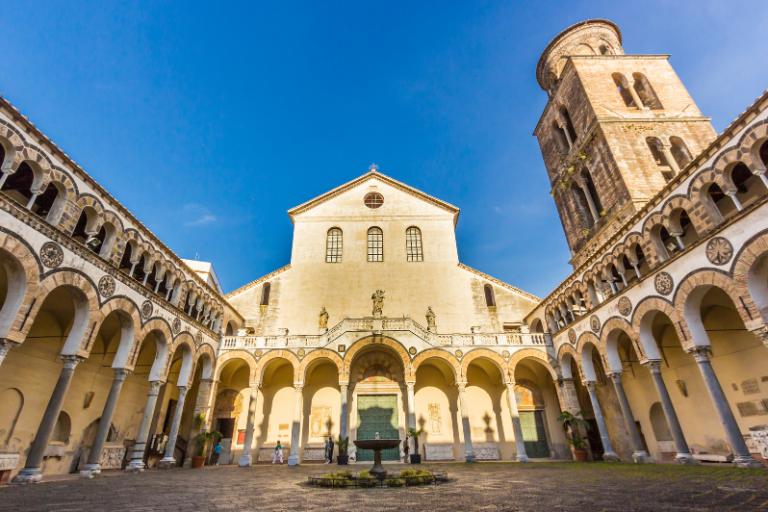
Salerno has one of Italy’s longest waterfronts, offering stunning views of the Gulf of Naples. The city’s heart is in the medieval quarter, whose main artery is via dei Mercanti (Merchants’ Street).
Campania region: home of ancient ruins
Campania is a popular tourist destination for those seeking out ancient ruins. Thanks to the region’s long history of Greek and Roman settlements, you can find numerous ancient sites to explore. Here are just some of the places in Campania worth checking out.
- Pompeii: The most popular archeological site in Italy, the ancient city of Pompeii was buried under a volcanic eruption in 79 A.D. It was forgotten for centuries until excavations brought it back to life.
- Herculaneum: The town suffered the same fate as Pompeii in 79 A.D. The archaeological site lies beneath the modern city of Herculaneum and was excavated after being accidentally rediscovered.
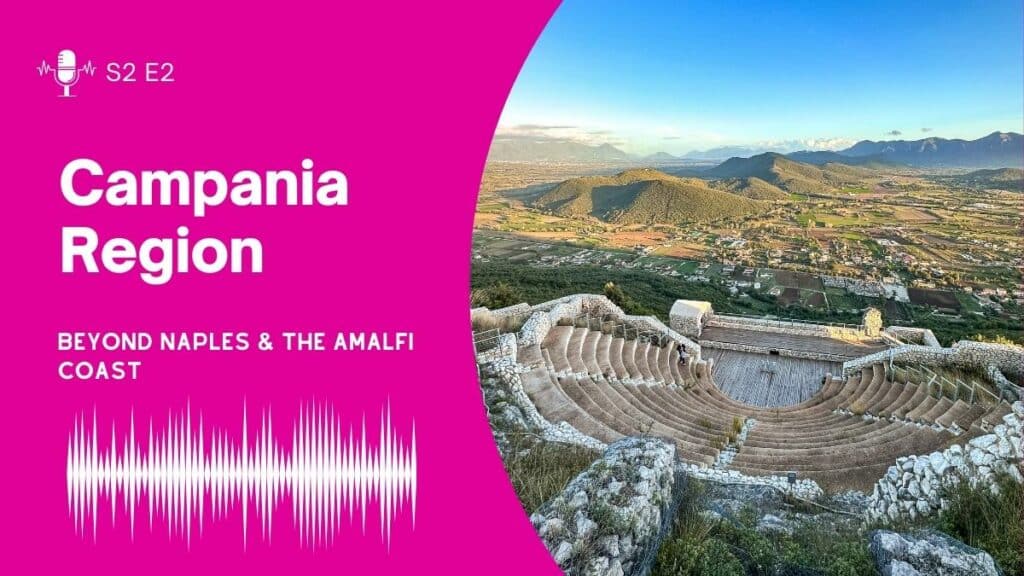
- Paestum + Velia: An ancient Greek settlement site where you’ll find well-preserved three Greek temples, an ancient gymnasium, and an amphitheatre surrounded by a Roman city wall. The Paestum temples date between 550 and 450 B.C.
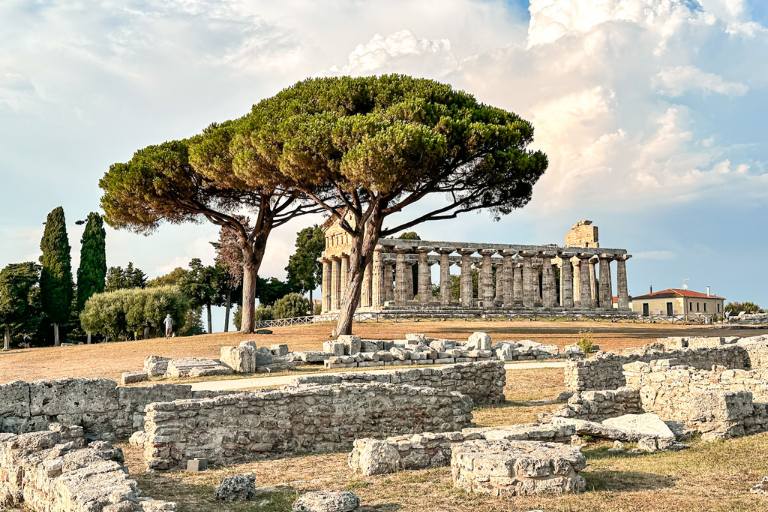
- Pozzuoli: Home to the Flavian Amphitheatre, Italy’s third-largest Roman amphitheatre. Built in the 1st century AD, it could seat up to 40,000 people.
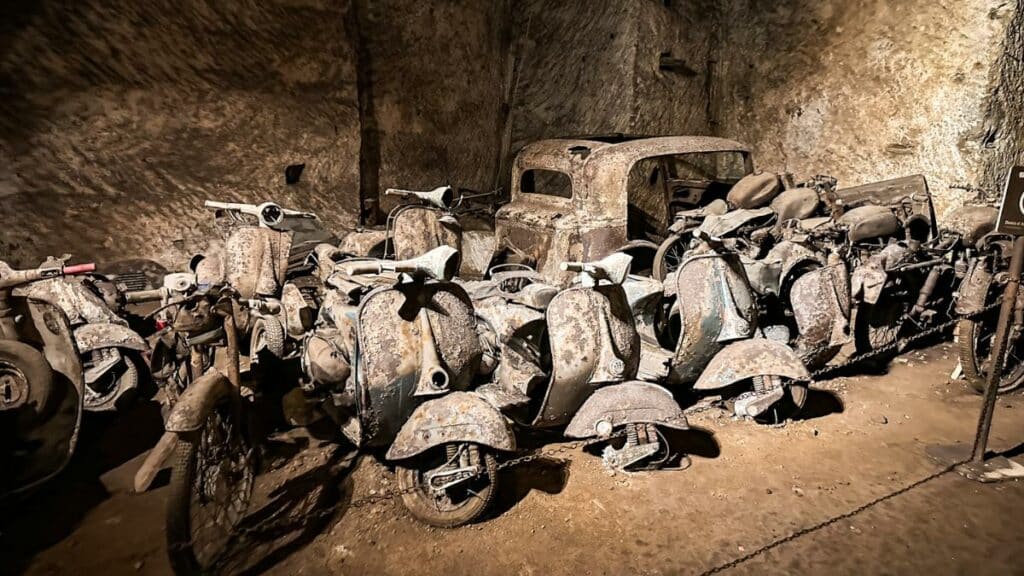
- Naples: While Naples might not come to mind when thinking of Roman ruins, beneath the city lie ancient cisterns, tunnels and markets that will take you back in time.
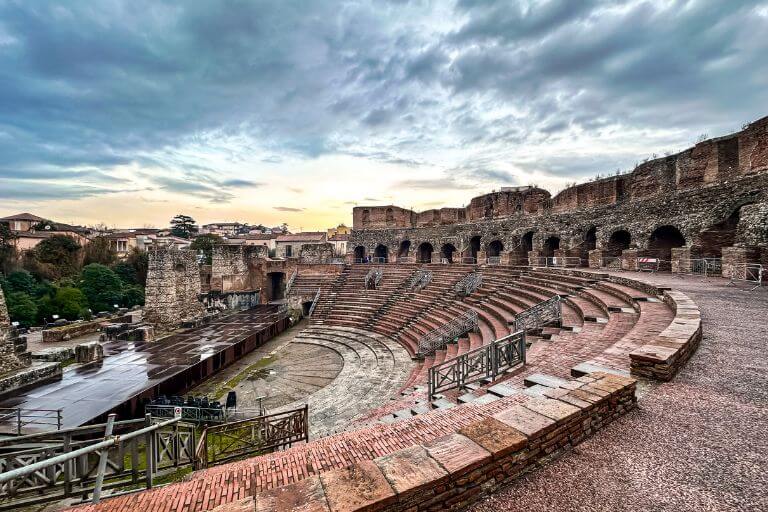
- Benevento: As a popular destination for many Roman emperors, the city is home to a well-preserved Arch of Trajan, erected in 114 B.C., and Hadrian’s theatre held about 10,000 spectators. You can also check out the ancient Ponte Leproso bridge, still used today. The Via Appia over the Sabato River is a wonder of ancient architecture and engineering.
Campania: in the footsteps of royalty
With Campania’s rich historical heritage, it’s not surprising that it is littered with architectural gems. From Classical, Romanesque, and Gothic to Renaissance, Baroque, Rococo, and Neoclassical, architecture and history buffs will find plenty to admire.
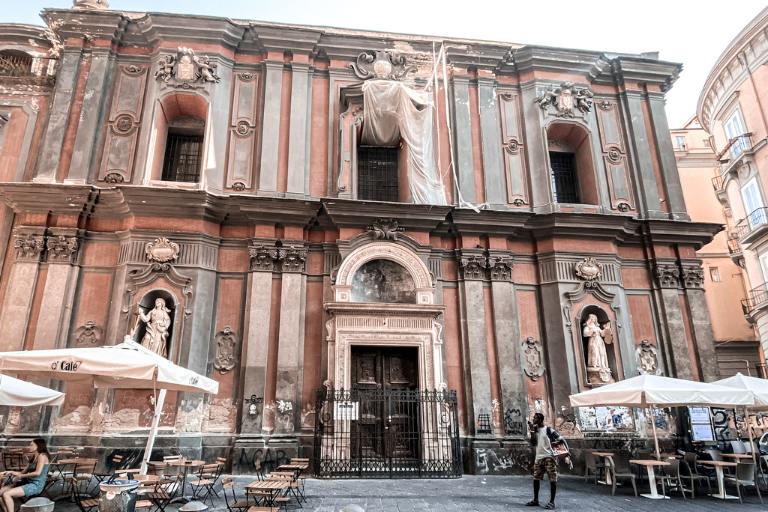
Here, you’ll find royal palaces, forts, ornate churches and museums. The countryside is peppered with medieval castles in various states of preservation, and they never fail to surprise. From large cities to small towns, Campania’s past is right there on display.
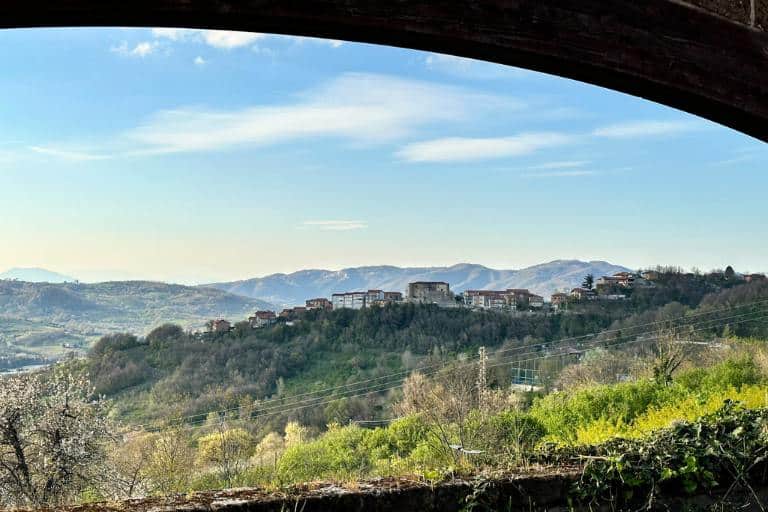
One of our favourite things about driving in Campania is spotting the ubiquitous medieval castles perched on the hills. Many small towns have castles that are either in ruins or partially restored, and you can’t go wrong with either option. Some of our faves include Gesualdo, Rocca san Felice, Montefalcione and Pisciotta.
Caserta
Home to the Royal Palace of Caserta and its park, built by King Charles VII of Naples and Sicily (later Charles III of Spain) in the 1700s. The stunning palace is a UNESCO World Heritage Site and a short distance from Naples.
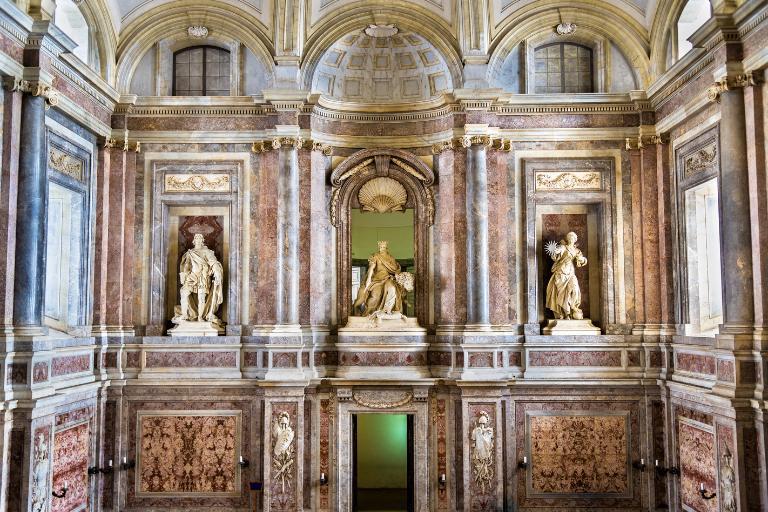
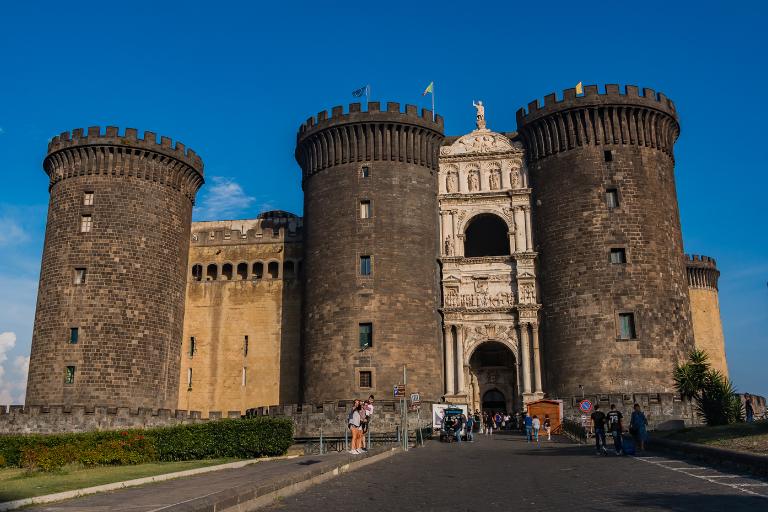
Naples
Home to several royal palaces, castles, important churches and museums. Here you’ll also find several 18th and 19th-century theatres and royal opera houses, including the San Carlo Theatre (commissioned in 1737 by King Charles III of Bourbon), Teatro del Fondo (known as the Teatro Mercadante), Teatro Bellini (Bellini Theatre) and Teatro San Ferdinando, to name a few. It’s a perfect city for culture lovers and history buffs.
Islands + coastal gems in Campania
The most iconic images of Campania are of the stunning Amalfi Coast. The small, picturesque towns, seemingly rising out of the jagged shoreline, are accessible by narrow, winding roads. Here you’ll find sparkling blue waters and hills filled with lemon, orange and olive groves and umbrella-filled beaches.
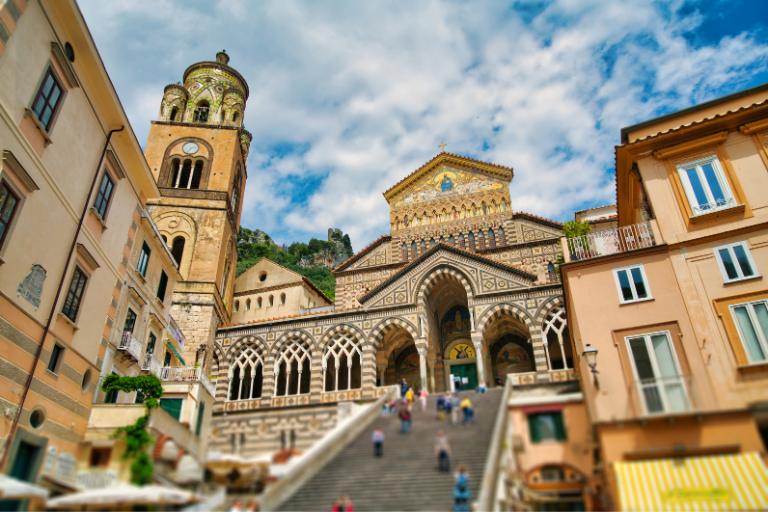
You can also enjoy the views of the Amalfi Coast from the water or take a ferry to the nearby islands. Here, the gems of Ischia, Procida and Capri will enchant you with their stunning views. Whether you like diving or hanging out on the beach, you won’t go wrong with the Amalfi Coast or the nearby islands.
Campania’s coastline is extensive. There are many stunning beaches along the coast, and there is no shortage of options for sun lovers. Agropoli, Centola, Montecorice and Castellabate are just some of the areas where you can head for a relaxing beach holiday. One of our fave destinations is the stunning Palinuro (in Centola), which is also one of the most popular diving areas in Campania. We can’t wait to go back.
Trekking in Campania’s outdoors
The Campania region is home to nine national parks, five wildlife reserves, several lakes and hundreds of trails. With over 51% of the area covered with rolling hills that are part of the Apennine Mountains range, it’s an outdoor lover’s paradise.
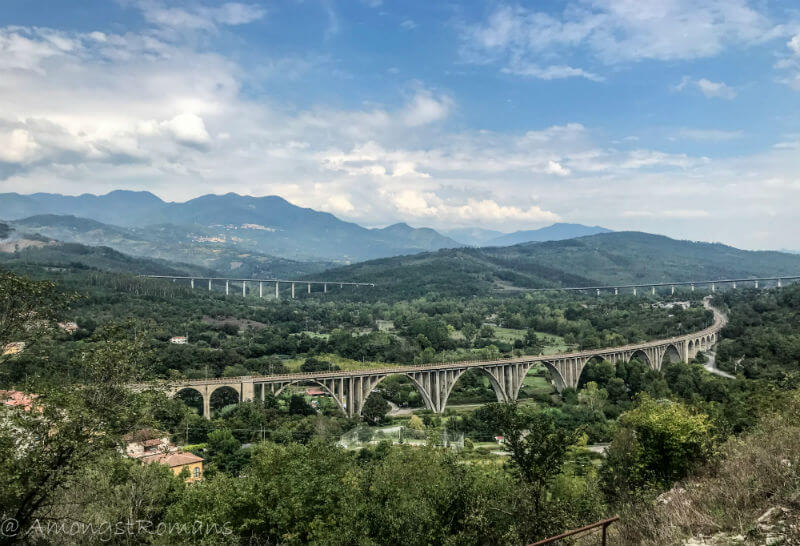
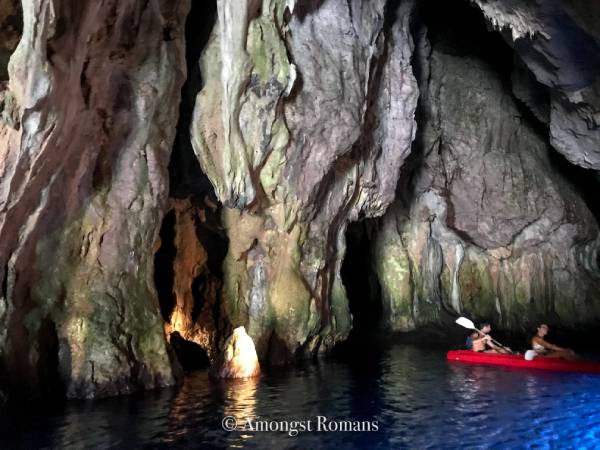
Here you can hike the famous Path of the Gods trail along the Amalfi Coast, trek up Mount Vesuvius or explore the Castelcivita and Pertosa-Auletta caves. Lakes, rivers, waterfalls and volcanic craters offer a wide range of activities. Those wanting to get closer to nature can choose to stay at the numerous campgrounds and beach resorts all over the region.
The Campania region is waiting for you
There are so many places in Italy that visitors can choose to explore. Campania is just one of the amazing regions in the country, and we think it deserves more recognition beyond the top tourist spots.
Whether you’re after a culinary experience, an outdoorsy adventure, a spiritual journey, a cultural and/or historical exploration, or want to chill on the beach, the Campania Region has it all. We love the variety of options that visitors can choose from, and there is no denying that Campania is as alluring as they come. We hope you explore it on your future travels.