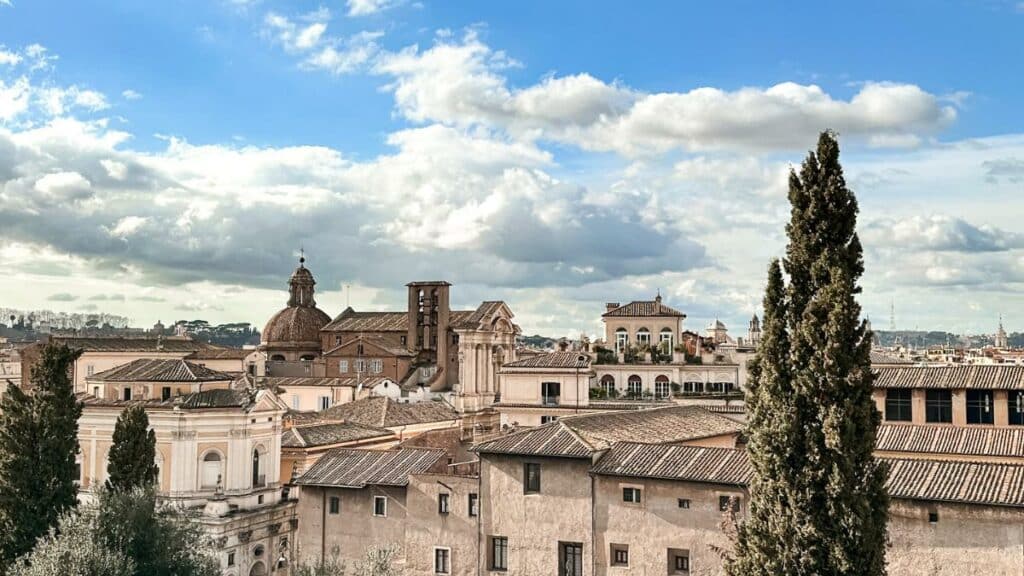
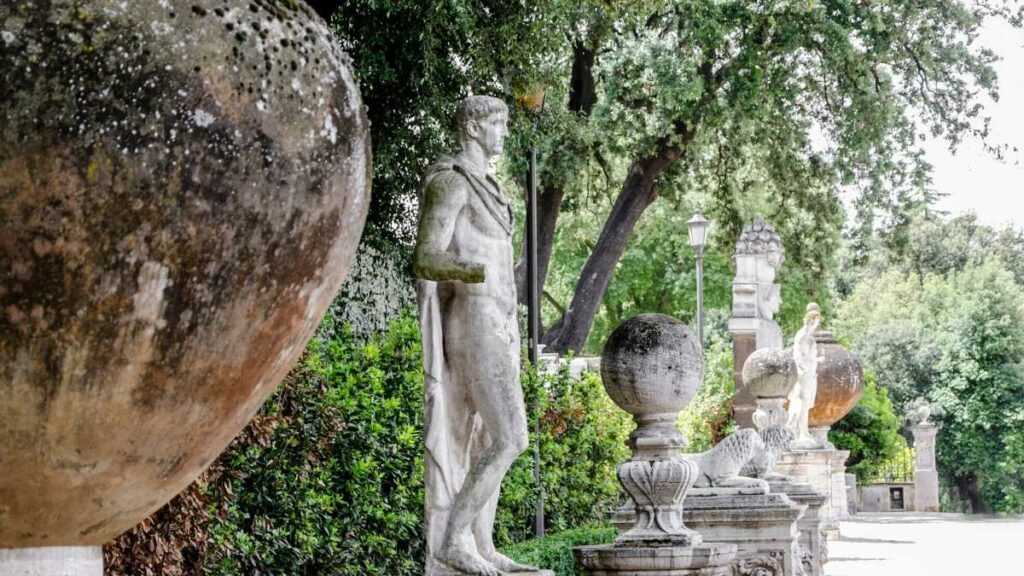
When most people visit the Eternal City, they stick to ancient monuments and archaeological sites, but few venture into green spaces. Rome is one of the greenest cities in Europe, thanks to the many parks and landscaped gardens created by the aristocratic families that lived here.
- Aqueduct Park showcases ancient aqueducts and pine-lined landscapes, ideal for biking, running and outdoor sports.
- Parco della Caffarella combines archaeological ruins with marked trails for hiking, biking and picnicking.
- Botanical Garden offers diverse plant collections, bamboo forest, rose and Japanese gardens, plus historic greenhouses.
- Villa Borghese blends art, lakes, statues and panoramic terraces with attractions like Galleria Borghese and the Bioparco.
- Villa Doria Pamphili provides expansive, quiet landscaped grounds with a picturesque lake away from tourist crowds.
The parks in Rome often feature stunning villas and offer a reprieve from the city’s hustle and bustle. They are the perfect place for outdoor enthusiasts and those looking to take a break from exploring the city.
Gardens and parks in Rome you should visit
While Rome might seem filled with Roman ruins, piazzas and buildings, there are many gardens and outdoor spaces to visit. Here are 10 parks in Rome to add to your itinerary.
Aqueduct Park (Parco degli Acquedotti)
Out of all the parks in Rome, Aqueduct Park is the one you have seen in many Italian films. With views of ancient aqueducts and Roman pine trees, it is part of the regional park along the ancient Appian Way (via Appia Antica in Italian).
The park is named after the seven aqueducts – Anio Vetus, Marcia, Iulia, Tepula, Felice, Anio Novus and Claudio – that once supplied the city with water.
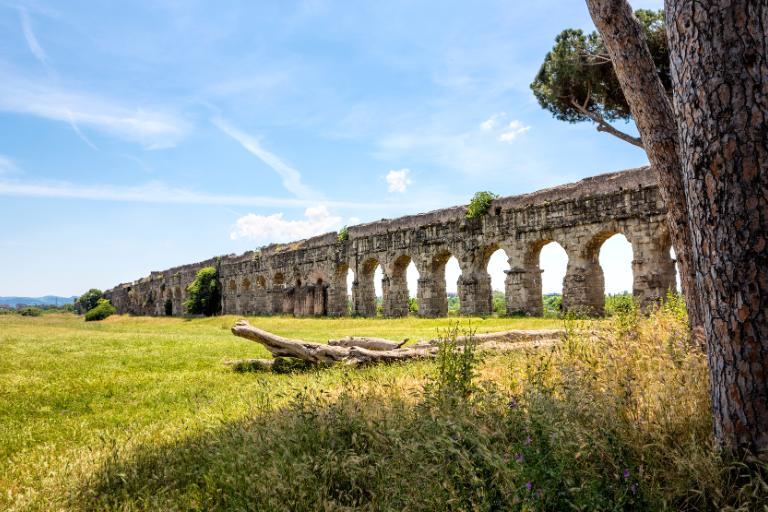
The park stretches for nearly 600 acres (about 240 hectares) between the Appio Claudio district via delle Capannelle and the Rome-Cassino-Naples railway line. It’s a popular spot for biking, running and outdoor sports.
Parco della Caffarella
Parco della Caffarella is a large archaeological park in Rome. It is located in the southern part of the city, between the Appian Way and the Via Appia Nuova. The park covers approximately 450 hectares and features archaeological remains, including tombs, aqueducts and villas.
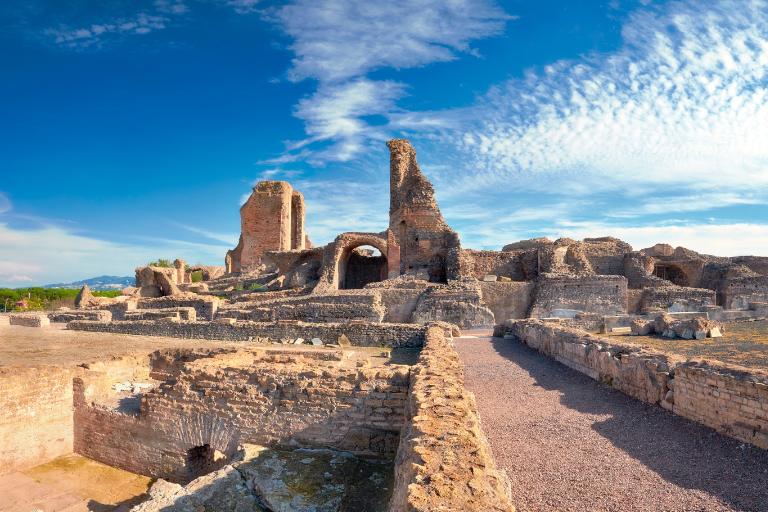
It’s also a popular spot for hiking, biking and picnicking. Several marked trails wind through the park, and there are picnic areas and playgrounds. Here, you can visit the ruins of the Villa dei Quintili.
This once-grand villa was home to a wealthy Roman family in the 2nd century AD. The ruins remain impressive, and you can see the remains of the villa’s baths, gardens, as well as the living quarters.
Botanical Garden (Orto Botanico)
Nestled on the Gianicolo hill in the popular area of Trastevere lies a slice of nature. The Botanical Gardens, officially established in 1883, is an oasis in the heart of the city, stretching over 29 acres (12 hectares).
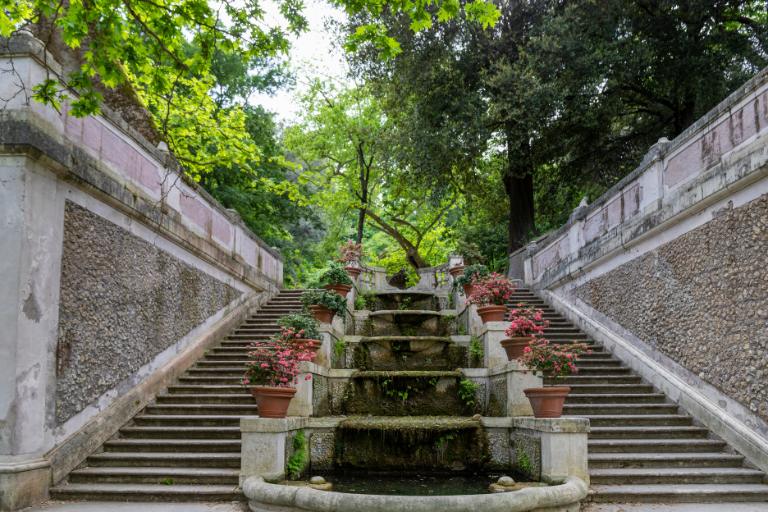
There are over 3,000 plants here, including a bamboo forest, a rose garden and a Japanese garden. You can also marvel at the numerous species of orchids, bonsai and cacti plants housed in four greenhouses.
The garden, located behind the 17th-century Palazzo Corsini, is also an archaeological area. Among the greenery, you’ll find several ancient fountains that hint at the past. Formerly the site of the Septimius Severus Baths, the garden is owned and maintained by Sapienza University of Rome.
Orange Garden (Giardino degli Aranci)
This small gated garden, also known as Parco Savello, sits on the top of Aventine Hill and is named after the orange trees planted here by St. Domenico in 1222. He also founded the Basilica of Saint Sabina next door to the garden.
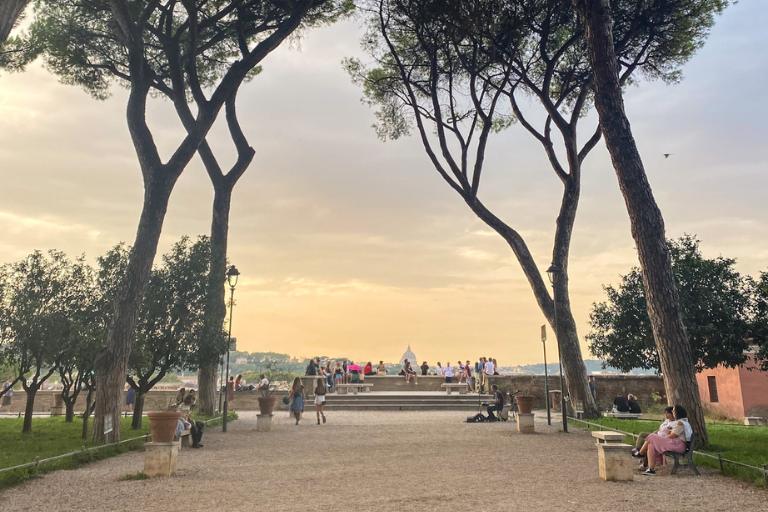
The Orange Garden offers excellent panoramic views of Rome and Janiculum Hill. It’s also a great place to take a break from exploring the city. The land here was once a fortress built by the Savelli family. However, it was demolished in 1613. What you see today was designed by Raffaele De Vico in 1932.
Vatican Gardens
Most people visiting Rome head to the Vatican City to admire the Vatican Museums and St. Peter’s Basilica. What many don’t know is that away from the crowds lie the charming Vatican Gardens. The gardens date back to the 13th century, when Pope Nicholas III relocated the papal residence from the Lateran Palace to the Vatican.
BEST DEAL: Vatican Museums, Vatican Gardens with skip line passes & St. Peter’s – book now
Today, you can explore the gardens’ numerous fountains and multiple landscaped terraces and even glimpse Michelangelo’s dome of St. Peter’s. The gardens are open to the public only in June, July and August. Admission is limited, so book your tickets in advance.
Villa Ada
Villa Ada is one of the largest parks in Rome. During the latter half of the 19th century, it belonged to the royal House of Savoy. In 1878, it was sold to the Swiss Count Tellfner, who named it after his wife, Ada. The royal family repurchased the property in 1904 and retained it until 1946.
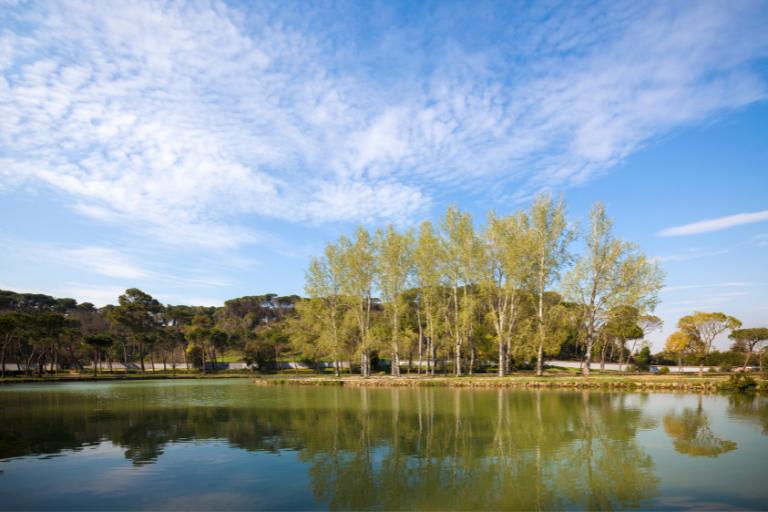
What was once the private estate of King Vittorio Emanuele III was eventually acquired by the city, with a small portion retained in private ownership. Today, the private section is owned by the Egyptian Embassy. This large outdoor space features paths, lakes, woods and lawns. It’s a popular spot for locals and hosts the Roma Incontro il Mondo summer festival.
Villa Borghese
What once belonged to the wealthy Borghese family is now one of the most popular parks in Rome. The garden and villa were designed for Cardinal Scipione Borghese in 1605 and sold by the family in 1901. Today, Villa Borghese houses the Galleria Borghese, which features an impressive art collection, including works by Italian masters.
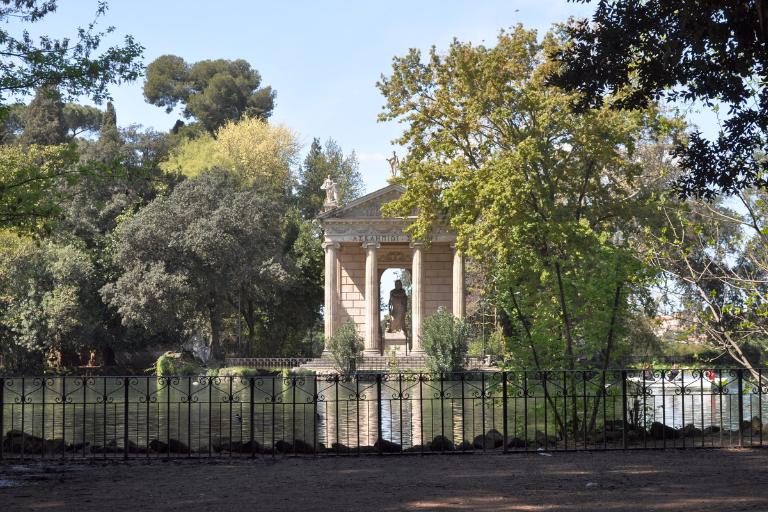
The park’s 200 acres (81 hectares) offer an artistic blend of greenery, lakes, fountains, statues and monuments. Check out the Pincio terrace for panoramic views of the city and the Piazza del Popolo below. Some attractions include a horse track in Piazza di Sienna and the Rome Zoo (Bioparco) with more than 1,000 animals.
Get skip-the-line tickets to see the amazing art collection at the Borghese Gallery – book now
Villa Borghese also houses the Silvano Toti Globe Theatre, a replica of Shakespeare’s Globe Theatre in London. You can also rent a boat, take a spin on the small lake (laghetto), or check out Pincio’s Water Clock, a great example of 19th-century engineering.
Villa Celimontana
Like many other parks in Rome, the Villa Celimontana park was once home to the wealthy Mattei family. The family bought that land in 1553 and built a villa surrounded by a beautiful garden. Michelangelo’s student, Giacomo del Duca, designed the estate in the most refined 16th-century style. Today, it is home to the Italian Geographical Society.
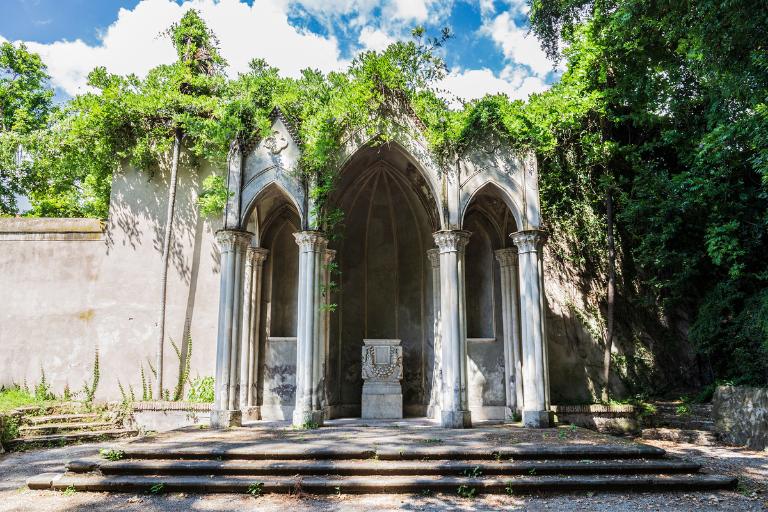
Here, you’ll find artistic fountains, a neo-Gothic temple, and an obelisk dedicated to Egyptian pharaoh Rameses II. With stunning landscapes and charm, Villa Celimontana is a popular destination for wedding photos. During the summer months, the park hosts art exhibitions, special events and evening jazz concerts.
Villa Doria Pamphili Park
The Villa Doria Pamphili (sometimes spelled as Villa Doria Pamphilj) is recognized as one of Rome’s most important historical parks. It is also the largest park in Rome, having once belonged to the wealthy Pamphili family before passing to the Doria family through marriage. The property spans 207 acres (84 hectares) of landscaped grounds and features a 17th-century villa.
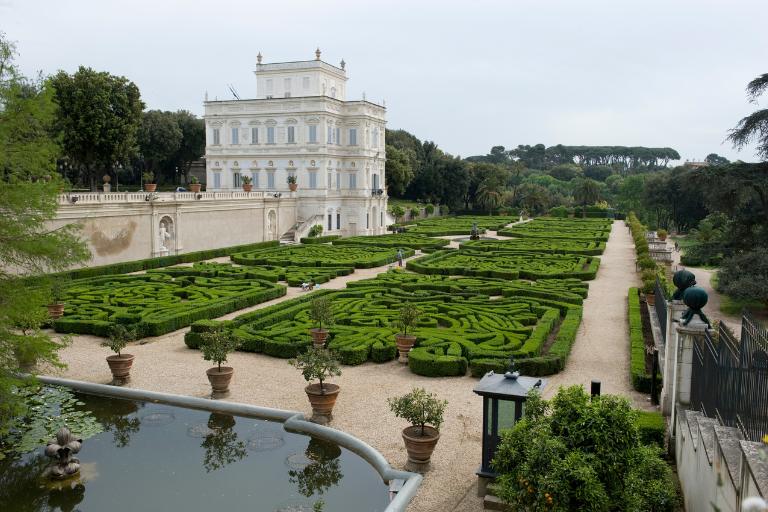
While you can’t visit the Villa Pamphili, you can enjoy its landscaped gardens. The park is quiet and offers a nice escape from the busy streets of Rome. While not as popular among tourists, it’s a great place to enjoy the greenery and fresh air. There is also a picturesque lake, a must-see in the park.
Villa Torlonia Park
Escape the crowds and ancient ruins at Rome’s Park of Villa Torlonia. This almost 14-hectare oasis offers a unique blend of history and nature. The park was once a farm owned by the Pamphilj family. Later, the Colonna family owned it, and Giovanni Torlonia eventually converted it into a private residence.
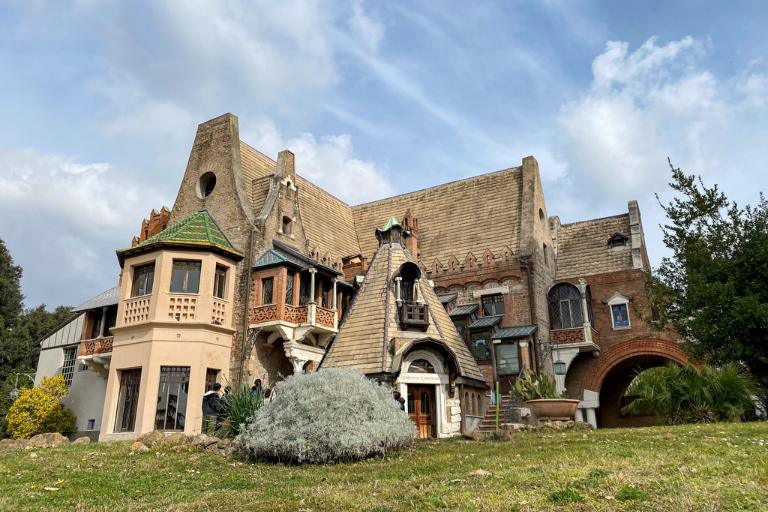
Here, you can stroll under towering palm trees, discovering hidden fountains and a charming pond. Don’t miss the Roman-style sculptures of the Casino Nobile and the Casina delle Civette (House of the Owls), once a private residence and now a fascinating museum.
Additional thoughts about parks in Rome
In addition to the above-named gardens and parks in Rome, there are numerous green spaces and spots to enjoy. As much as the Romans loved building up Rome with monuments, villas and temples, they also enjoyed outdoor spaces.
That concept carried on, with various popes and noble families creating and beautifying Rome’s outdoor spaces. Thanks to them, the city is full of beautiful gardens and parks that we can all enjoy today. Next time you visit, make sure to take a break in one of the many parks in Rome and enjoy the outdoors.