When it comes down to it, you can pretty much throw a rock and hit some ruins anywhere in Italy. After all, this was the heart of the Roman Empire. The reality is that most of the ancient sites are now a pile of rubble. However, there are several remarkably well-preserved pre- and Roman ruins in Italy worth visiting. From underground markets to major monuments and even entire towns, these ancient sites offer insight into the past.
- The Colosseum remains a colossal, iconic amphitheatre showcasing gladiatorial spectacles and imperial Flavian ambition.
- The Roman Forum preserves political, religious and civic ruins central to ancient Rome’s public life.
- The Pantheon stands as an engineering marvel with its intact dome and oculus, beautifully repurposed as a church.
- Pompeii and Herculaneum offer unparalleled, preserved urban snapshots of Roman daily life frozen by Vesuvius.
- Hadrian’s Villa and Villa Adriana reveal imperial luxury, expansive gardens and architectural innovation outside Rome.
While it’s challenging to list all the ancient sites and Roman ruins in Italy, I’ve tried to include ones that are either well-preserved or substantial in size today. I’ll update this list if I find any new ones worth sharing.
Roman ruins in Rome and the surrounding area
Rome is rich in history, art and culture. After all, it’s like an outdoor museum where you can walk through layers of history and touch the past. Here, you’ll find the most famous Roman ruins in Italy. As the city stands on top of ancient sites, you’ll find different architectural elements incorporated into other styles.
As the once-beating heart of the Roman Empire, Rome is the best place to immerse yourself in the history and legacy of the ancient Romans. While you can see elements of art and architecture from other centuries, there are several vital Roman ruins to see here.
The Colosseum
The Colosseum is one of my favourite of all Roman ruins. Originally named the Flavian Amphitheatre, it remains a spectacular structure today, despite being over 2,000 years old. Begun by Emperor Vespasian in 72 AD, it held over 60,000 spectators, making it the largest amphitheatre ever built.
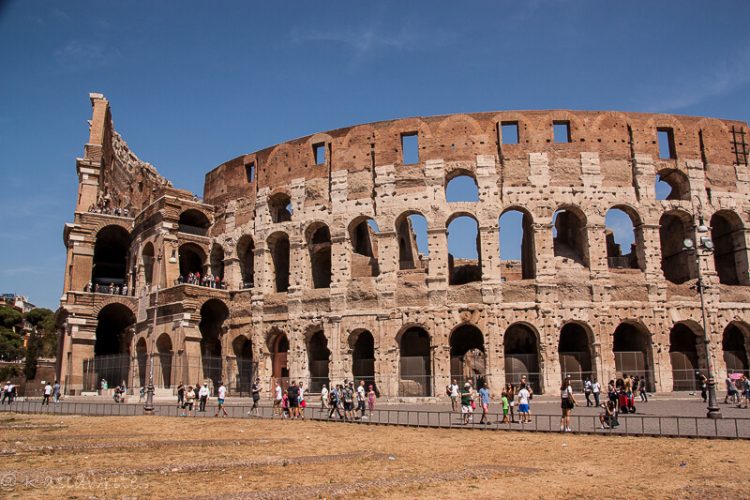
The bloodthirsty public enjoyed gladiator fights and battles with wild beasts. There were mock sea battles, hunts, and executions, resulting in many men’s and animals’ deaths over the years. Book your priority access to the Colosseum and the Roman Forum for a close-up look at where it all happened.
Vespasian commissioned the stadium on Nero’s opulent Domus Aurea site, determined to erase anything associated with the tyrant. His son, Titus, completed the project in 80 AD, with further modifications by Domitian between 81 and 96 AD. The three emperors were members of the Flavian dynasty, which gave the Colosseum its original name. When it comes to seeing Roman ruins in Italy, this is the place for that.
Arch of Constantine
Just outside the Colosseum stands the Arch of Constantine. It commemorates Emperor Constantine’s victory over co-emperor Maxentius in 312 AD. Although it is a bit of a Frankenstein, having elements recycled from other monuments, it is the largest surviving triumphal arch from the Roman Empire’s glory.
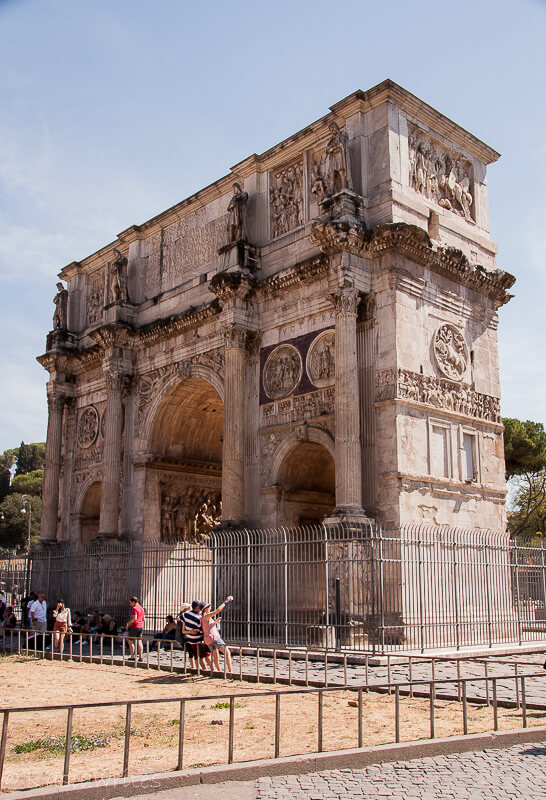
The arch remains an impressive sight, standing over 21 metres (69 feet) high and 25 metres (82 feet) wide. It’s the largest triumphal arch and one of the last monuments of Imperial Rome. As far as the best Roman ruins go, this one definitely deserves a spot on this list.
The Roman Forum
The Forum was once the heart of Rome and the Roman Empire. It was the center of Roman life, with government buildings, temples and food stalls. In its glory, it was the home of the Senate House and the temple of Juno on Capitoline Hill, public spaces and even brothels.
The fact that there is anything left of the Forum is incredible. As you stroll by the site, you see the remnants of various temples, monuments, churches and other vital buildings where the empire once wielded its power. The Arch of Titus, the Curia, the Temple of Vesta, the Basilica Julia and the Temple of Antoninus and Faustina are some highlights that make the Roman Forum an impressive ancient site.
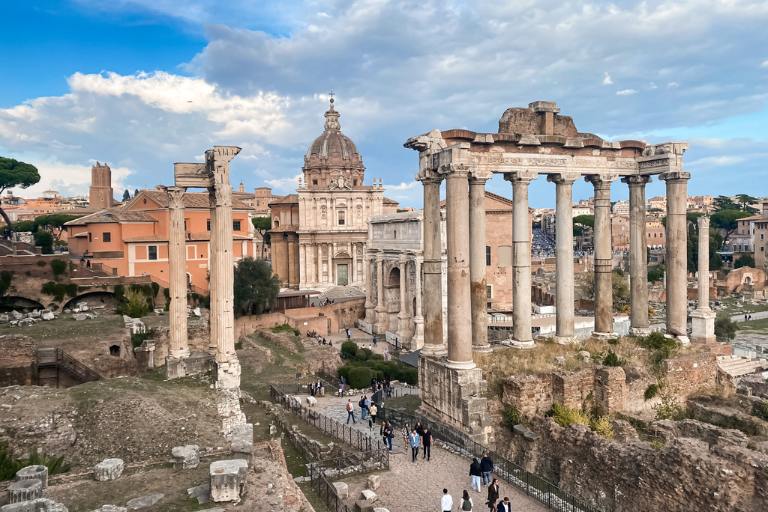
After the fall of the Roman Empire, the site was pillaged for building materials. Much of the marble and stone was used for other buildings, including the Vatican. From an Etruscan graveyard, then a Roman ceremonial centre turned pastureland, and an excavation site, the Forum is a testament to human ambition and determination.
PRO TIP: Book your priority access to the Colosseum, Roman Forum and Palatine Hill before you go to avoid the line.
Palatine Hill
Once considered one of Rome’s most desirable addresses, Palatine Hill is where you’ll find some of the oldest ancient ruins. Here is also where Romulus is said to have founded the city of Rome. Interestingly, Palatine Hill is also where Emperor Augustus was born, and Emperor Caligula was assassinated.
Today, the once opulent Domus Flavia stands in ruins. However, both the Domus Augustana and the Domus Livia have some of the best-preserved frescoes from Roman times. Palatine Hill offers excellent views of the city and the Roman Forum below. As far as Roman ruins go, this one is significant for history lovers.
Domus Aurea
Nero’s famous Golden House was the epitome of luxury and excess. The scholars estimate that it covered more than 300 acres (121 hectares) and was built in a record four years. It was a sight to behold, with 155 rooms, roughly the size of three football fields, 12-metre (39-foot) high ceilings, and 30,000 square metres (323,000 square feet) of frescoes and stuccoed ceilings.
The two-story villa featured a gold-leaf overlay with embellishments of rare gems and seashells, hence the name Golden House. The stuccoed ceilings were adorned with semi-precious stones and ivory veneers. There was also an artificial lake that completed the vision.
PRO TIP: Book your Domus Aurea tour with VR reconstruction to see what it looked like
Trajan’s Markets
After Emperor Trajan conquered Dacia, modern-day Romania, he celebrated by building his forum in 107 AD. The complex was filled with storefronts, bars and shops. In the middle was Trajan’s column, flanked by two libraries. Both offered a closer view of the column, decorated with scenes from his conquest.
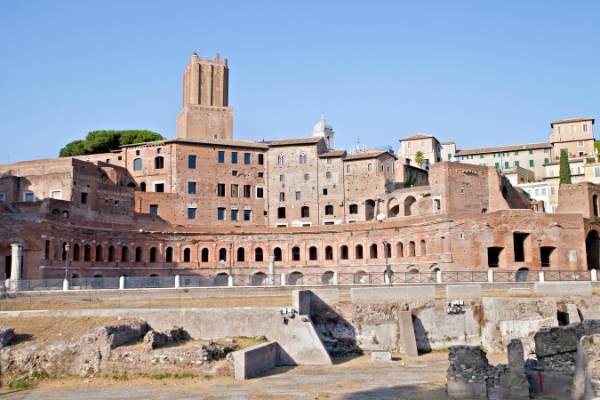
The main street of the forum is still intact. You can walk along the Via Biberatica and see the well-preserved remains of bar and restaurant doorways. These Roman ruins show that life in the ancient world wasn’t that different from ours. Book a personalized tour to explore this ancient market.
Teatro Marcello
At first glance, the Teatro Marcello might look like a missing part of the Colosseum, but it’s actually the older of the two. It was begun by Julius Caesar and completed by Augustus, and it likely inspired the Colosseum’s design.
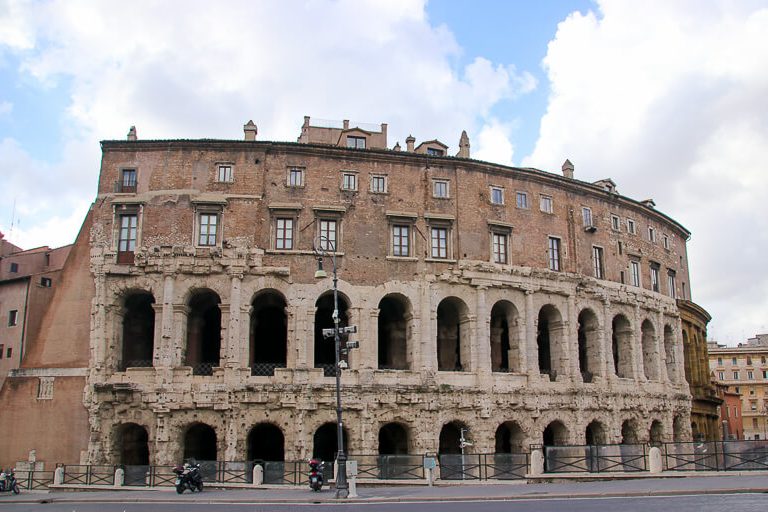
It became a fortified palace for the powerful Orsini family during the Renaissance. Today, the top floor consists of several apartments, while the Teatro serves as a backdrop for summer concerts. It is also one of my favourite Roman ruins in Rome today.
Pantheon
Standing at 43 metres (142 feet) wide and 43 metres (142 feet) high, the Pantheon is one of Ancient Rome’s best-preserved buildings. It hardly looks like the other Roman ruins in the city. Built around 125 AD on the site of two previous temples, it became a Catholic church around the 7th century AD. Today, it is the resting place of many noble Italians, including the artist Raphael.
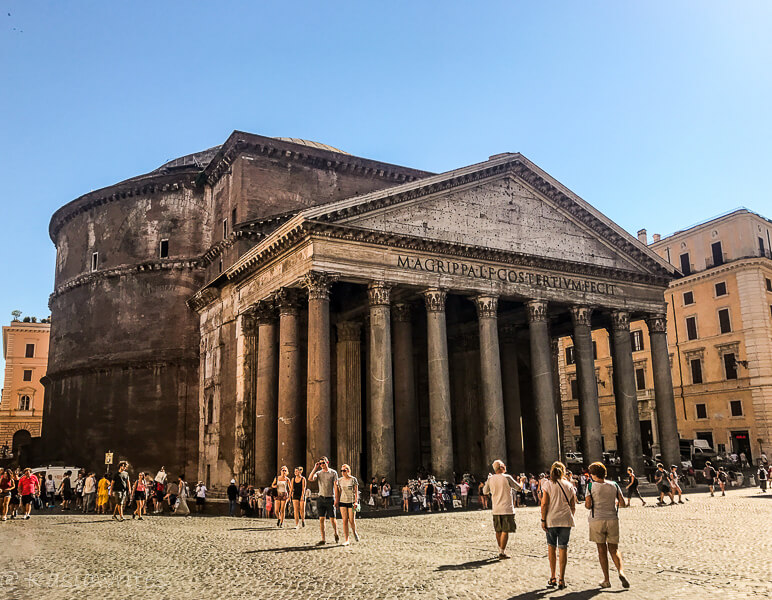
Pantheon’s most impressive feature is the oculus, an 8-metre (27 feet) in diameter opening in the centre of the dome, and it’s the only source of natural light. The whole structure, built without metal rods, remains an engineering and architectural wonder. It is a perfect homage to Roman building prowess.
Baths of Caracalla
Even today, the size of what was one of Rome’s second-largest public thermal baths is enormous. This massive spa complex included three large water pools at different temperatures, two libraries, a gymnasium, and gardens. This was a place for socializing, business and wellness. Because most houses lacked individual plumbing, Romans relied on the baths for sanitation, health, fitness, and relaxation.
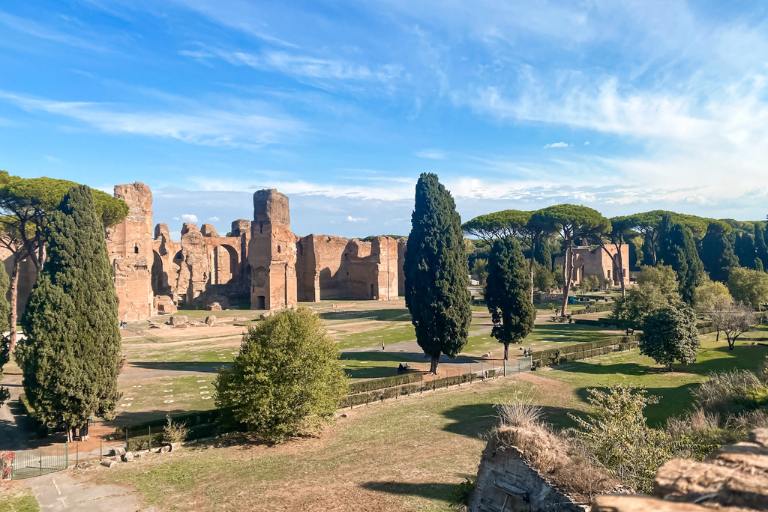
The Baths of Caracalla, named after the emperor who commissioned them, were completed in 216 AD and could accommodate up to 1,600 people. A special aqueduct provided the much-needed freshwater for the pools. Additional reconstructions kept the spa going until it closed in 537 AD. These Roman bath ruins are a clear example of the scale some ancient sites once had.
PRO TIP: Take a guided tour of the Baths of Caracalla and Circus Maximus just outside the baths. Once a Roman stadium for chariot races, today, it is a nice place to walk around, especially on a nice day, and imagine what it looked like in its glory.
Villa dei Quintili
Located on Rome’s outskirts, the Quintili Villa belonged to the brothers Quintili, who served as consuls in 151 AD. The brothers, known for wealth, nobility and military prowess, died when Emperor Commodus accused them of treason and confiscated the villa after their execution.
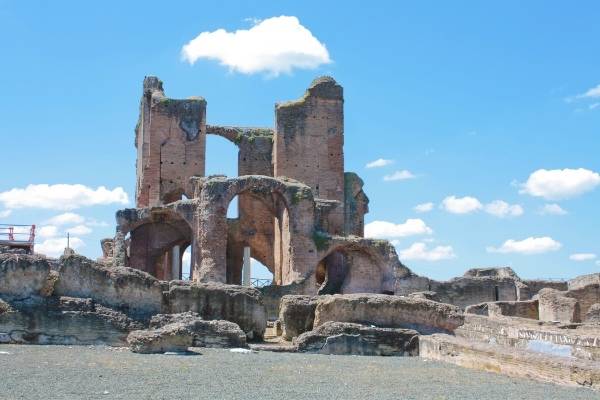
The villa was an impressive feat of architecture and style. Its notable features included hot and cold water basins, 14-metre-high (46-foot) windows, courtyards and gardens. Located between the ancient Appian Way and the current Via Appia Nuova, the villa is now a museum. Also worth visiting are the nearby Roman aqueducts, which once supplied water to residents.
Underground Basilica of Porta Maggiore
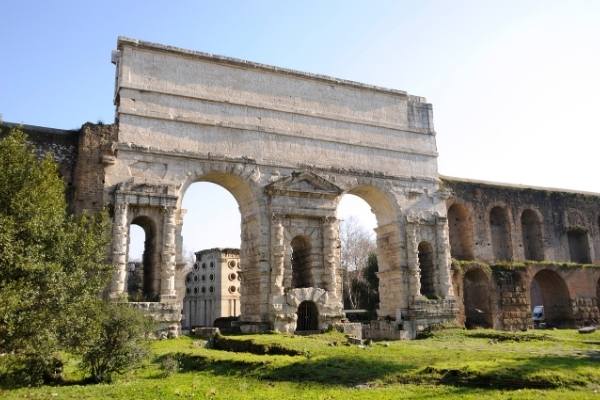
The basilica, carved from volcanic tufa rock in the first century AD, was once home to an obscure cult called Neopythagoreanis. It was built more than 2,000 years ago by a wealthy Roman family of devotees and was accidentally discovered in 1917 during the construction of a railway line. After extensive renovations, it’s now open to the public. Inside are lavishly decorated ceilings with stucco reliefs of gods, animals and mythical creatures.
Piramide Cestia (The Pyramid of Caius Cestus)
While a pyramid might seem odd in Rome today, it was built when the Romans were mad for everything Egyptian. They used several obelisks and pyramids to decorate monuments around the city. The construction of the marble-covered pyramid took 330 days. Sometime later, it was incorporated into the Aurelian Wall. After an extensive restoration, it’s now open to the public.
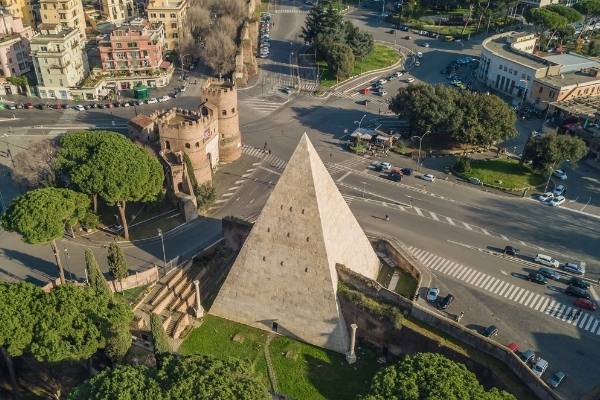
The pyramid of Cestius dates somewhere between 18 and 12 BC. It was a tomb for Caius Cestius, a man of power, wealth and influence. It’s the only surviving example of Roman pyramids. Pope Alexander VI dismantled the larger pyramid of Romulus during the 16th century to build the steps of St. Peter’s Basilica.
Archaeological Complex of Santa Croce in Gerusalemme
Just outside the old Aurelian walls of Rome is the church of the Holy Cross in Jerusalem. It is an archaeological area of an imperial residence dating back to the late second and early third century AD. There are remnants of a theatre, extensive gardens and temples. Excavations and restorations revealed several black-and-white mosaics and colourful frescoes.
Tempio Rotondo, Temple of Portunus and Bocca della Verità
Piazza del Verita is like a jackpot for a blast from the Roman past. What was once a meat market is home to the Temple of Hercules, commonly called Tempio Rotondo (Round Temple), due to its shape and the Temple of Portunus. Both date back to the 2nd century BC and are made from Greek marble.
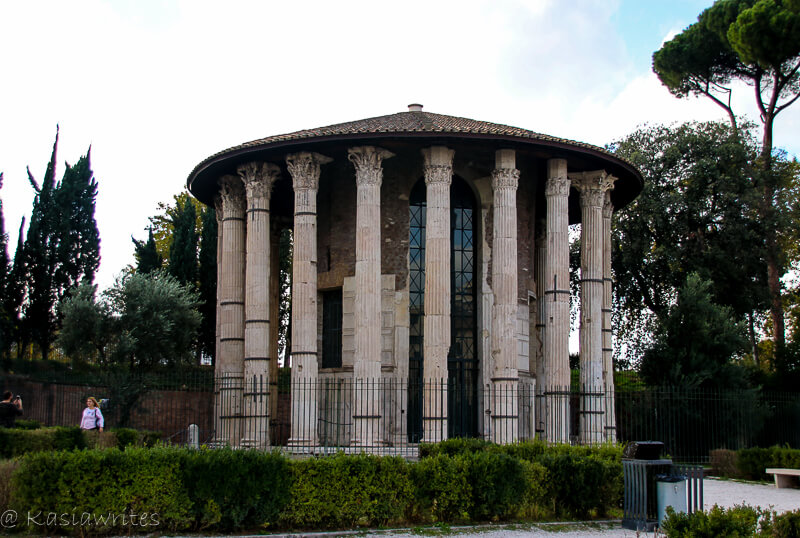
Here, you’ll also find the Bocca della Verità (Mouth of Truth), an ancient Roman drain cover shaped like a giant face with an open mouth. According to medieval legend, if placed in the opening, the mouth would swallow a liar’s hand.
For a complete list of ancient monuments in Rome, visit Wikipedia.
Tivoli – Villa Adriana (Hadrian’s Villa)
Tivoli was a retreat town for many wealthy Romans, including Emperor Hadrian, who built his country villa there around 117 AD. The peaceful setting and the proximity to numerous aqueducts made this a popular destination for wealthy people of the day.
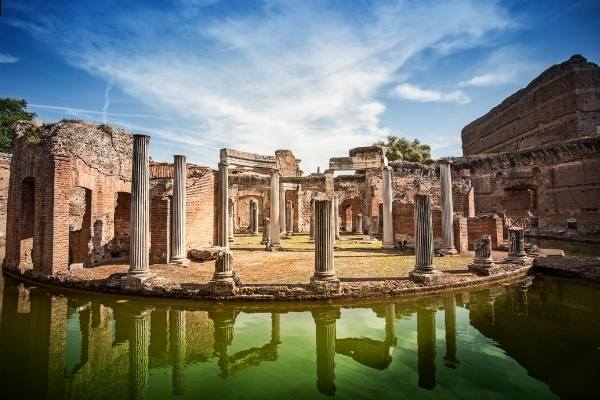
Hadrian’s villa is a testament to the magnificence and grandeur of the Roman Empire. As a traveller and keen architect, Hadrian drew inspiration for his villa from sites around the world. Today, you can see the magnificent gardens, spas, and remnants of the Teatro Marittimo (Maritime Theatre), an island where the emperor sought isolation.
Also impressive is the Canopus, an elongated lake surrounded by sculptures and columns, a copy of the Serapis sanctuary near Alexandria. Take a guided tour of Hadrian’s Villa and the gardens of Villa D’Este in Tivoli.
Roman ruins of Ostia Antica
Rome’s ancient port city of Ostia was a thriving commercial hub and one of the empire’s most prosperous cities. Unlike Pompeii and Herculaneum, the other famous Roman ruins in Italy, Ostia wasn’t destroyed by a natural disaster. Threats of impending attacks by northern invaders and outbreaks forced the residents to abandon it during the 4th century AD.
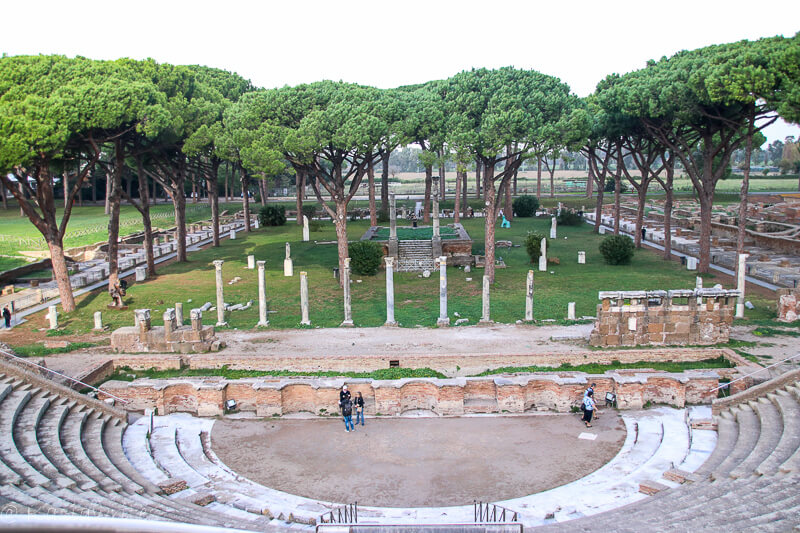
The mud and silt deposits from the sea and the Tiber River preserved the city well, giving us an insight into Roman life. Villas, shops, and theatres left behind offer insight into how the city functioned. Baths, temples and ossuaries tell us about the daily activities and beliefs of the ancients.
Roman ruins in and around Naples
While Naples might not immediately come to mind when thinking of Roman ruins in Italy, there are many in this area. Naples, built on top of ancient ruins, is a treasure trove of history, as is the surrounding area. Many of these ancient sites are hidden beneath the modern city, making them even more fun to discover.
Naples
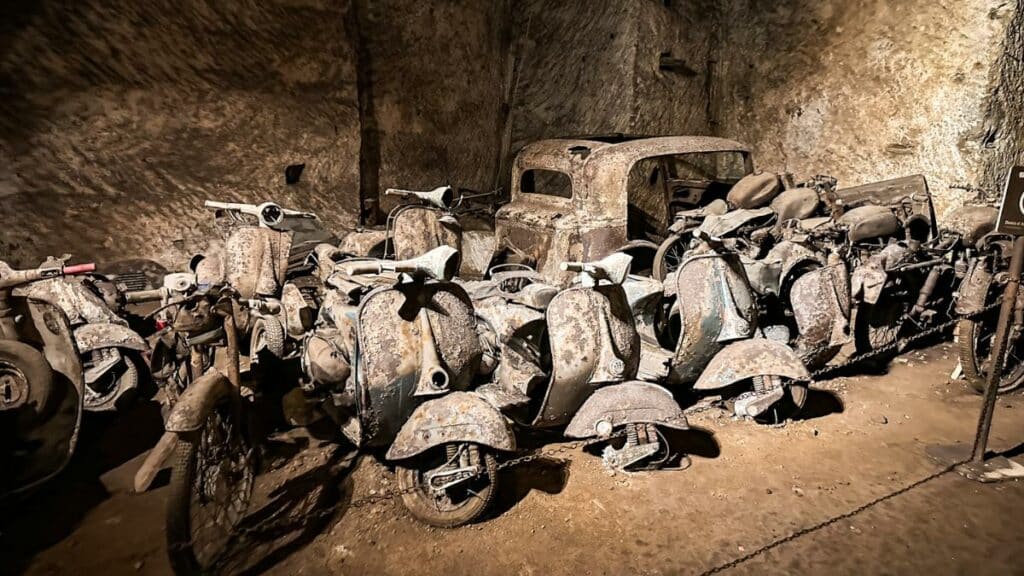
There are many underground cisterns, tunnels and reservoirs under the city that date back to Greek and Roman times. Here you’ll find the remnants of the amphitheatre where Emperor Nero performed, a perfectly intact Roman market discovered beneath a church, and the Parco Archeologico Pausilypon.
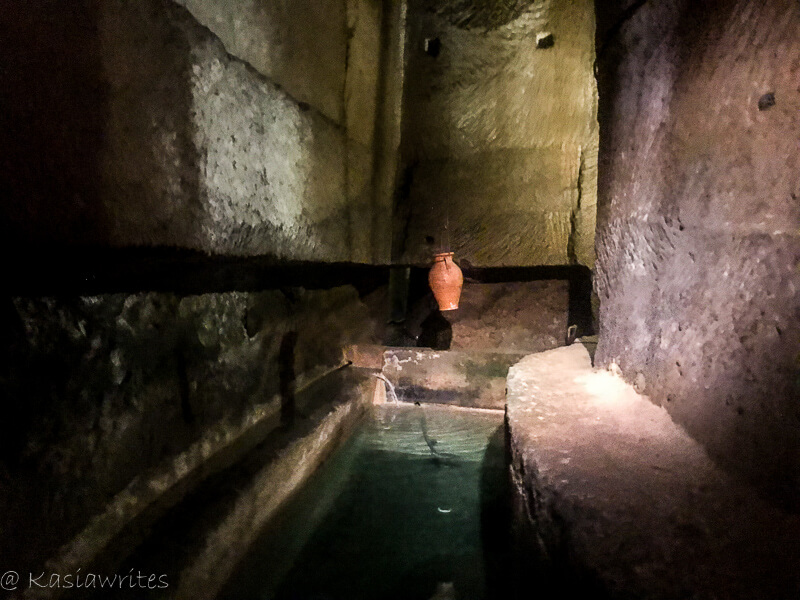
Built by Publius Vettius Pollio and presented to Emperor Augustus, it’s an interesting site in Naples with fantastic views of the Bay of Naples.
Roman ruins of Pompeii
Pompeii is probably Italy’s most famous ancient Roman city and one of the largest ancient sites. Once a bustling and prosperous town, it disappeared for centuries beneath the ash and debris of the eruption of Vesuvius in 79 AD. It lay forgotten until its rediscovery in the mid-1800s.

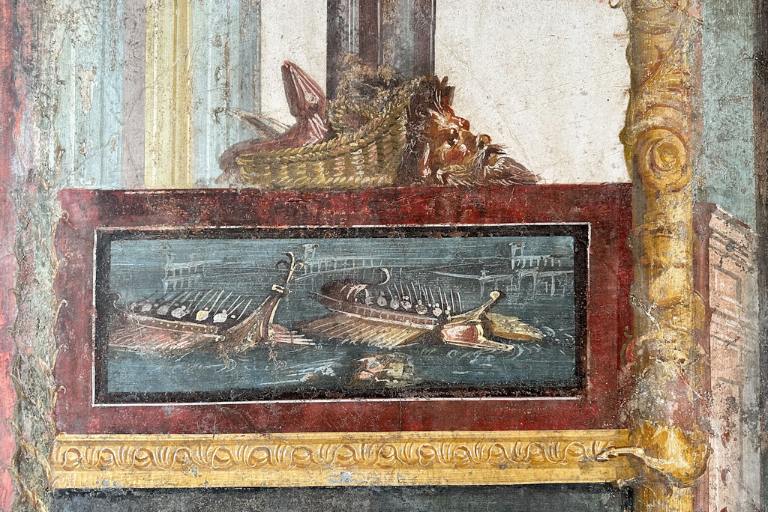
Pompeii offers a glimpse into the lives of the Romans who once lived there. The structures and objects left behind, and even the food and drink remnants found on-site, provide clues to the ancients’ lives. It’s a vast site to explore and an opportunity to walk in the footsteps of the Pompeians who once lived here. Take a private walking tour with an archaeologist for a more in-depth look at the city.
Roman ruins of Herculaneum
Perhaps not as well-known as Pompeii, Herculaneum suffered the same fate during the volcanic eruption of Mount Vesuvius and was covered in volcanic ash for centuries. The restoration and preservation efforts have ensured that it is well intact, as it was excavated much later. The quality of the objects found here makes this site so interesting. Door frames, mosaic floors, furniture and even rooftops have survived the disaster.
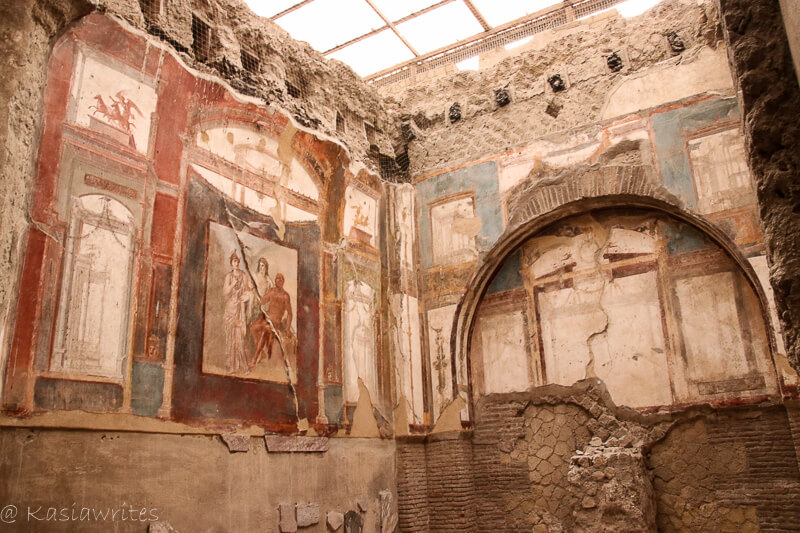
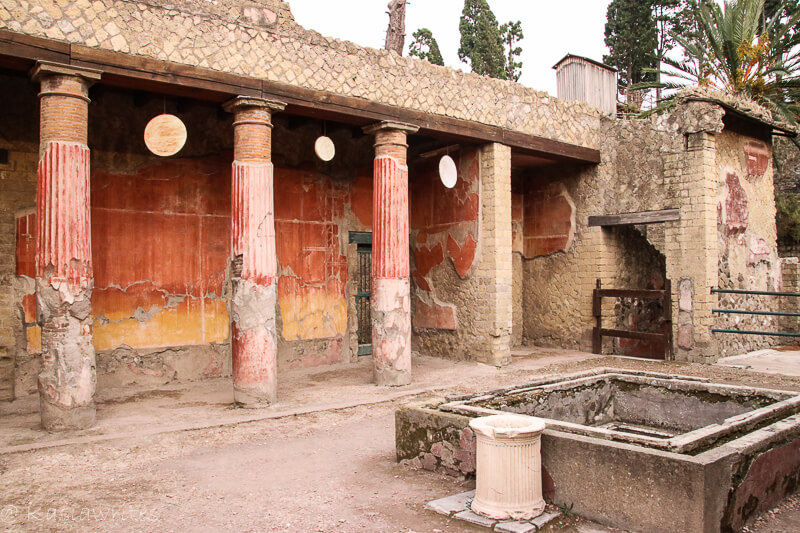
Unlike Pompeii, you can get closer to the mosaics and frescoes and walk into what were once houses. Overlooking the site is modern-day Herculaneum, which makes you wonder how those living above it feel about their own mortality. Parts of the ancient city remain beneath the current city, but the uncovered remains are worth visiting with a guide.
Benevento
Benevento is home to an exceptionally well-preserved Roman ruin, including an amphitheatre built by Emperor Hadrian in the 2nd century AD. It was used for plays and could accommodate 10,000 to 15,000 spectators. Today, you can explore the stands and the stage and even wander through the same corridors ancient spectators once did.
Scavi di Stabia (Stabiae)
Stabia was another Roman seaside city with large villas for the wealthy. Although nearby Pompeii overshadowed it in antiquity, it suffered the same fate in 79 AD. Rediscovered in the mid-1800s, it was not excavated and restored until the 1950s. You can explore two villas, some of the finest examples of Roman villas today.
Parco Archeologico di Cuma (Cumae Archaeological Site)
What began as the first Greek colony in mainland Italy in the 8th century B.C. later became a prosperous Roman city. Here, you’ll find remnants of temples dedicated to Apollo, Diana and Isis, as well as the Crypta Romana and the enormous Grotta di Cocceio, a tunnel large enough for chariots to pass through the mountain to reach the lake.
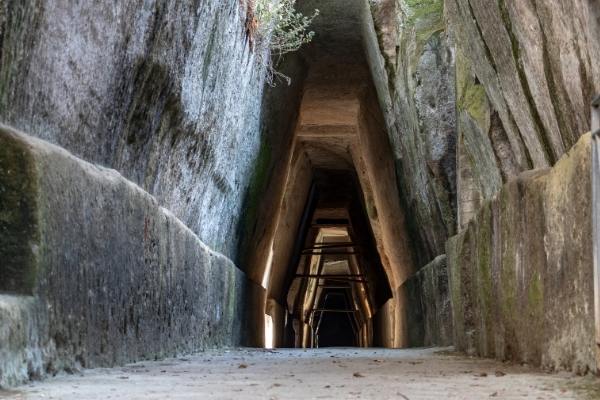
You can also tour the triangular Cave of the Sibyl (Antro della Sibilla). This is where the Cumaean Sibyl, priestess of Apollo, sang her prophecies or wrote them on oak leaves for centuries. She has also appeared in many literary works of Virgil, Ovid, Dante and TS Elliott.
Pozzuoli and Rione Terra
Pozzuoli, another Roman city with Greek origins, is home to the Amphitheatrum Flavium (Flavio Amphitheatre) and the Macellum of Pozzuoli, also known as the Temple of Serapis. The amphitheatre is the third-largest after the Colosseum and the Capuan Amphitheatre. The temple, actually a marketplace in ancient times, includes three marble columns built between the 1st and 2nd centuries AD.
Another great underground city of Rione Terra is a step back in time. Preserved intact under the modern-day town, this once-important Roman colony of Puteoli dates back to 194 BC. Discovered by chance in 1980 due to volcanic activity, it offers a glimpse into the life of the Romans. Stroll along the ancient road lined with shop fronts, warehouses and homes.
Capua
Called Casilinum in antiquity, Capua dates back to 600 BC. Etruscan, in origin, became a self-governing community under Roman rule until it sided with Carthage against Rome and lost its political rights. While famous for its bronzes and perfumes, Capua is also where Spartacus began a revolt in 73 BC.
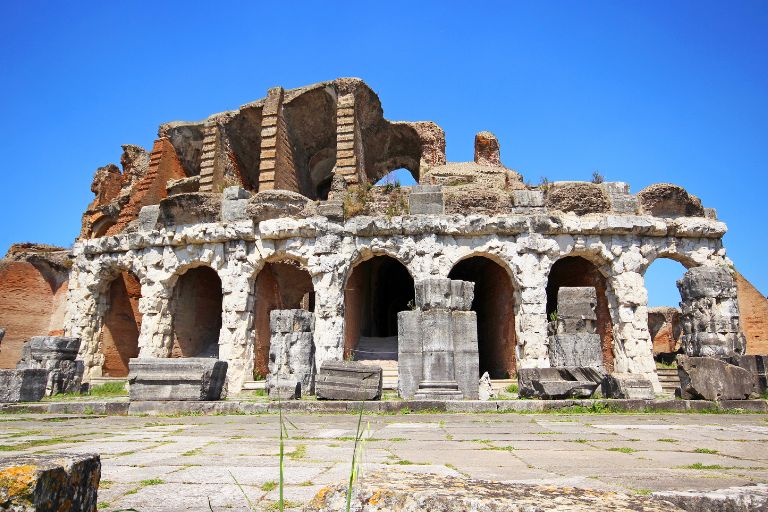
Take a guided tour of the Roman ruins in Capua to explore the remains of the second-largest Roman theatre, where he fought as a gladiator, as well as temples, baths and tombs.
Parco Archeologico di Baia
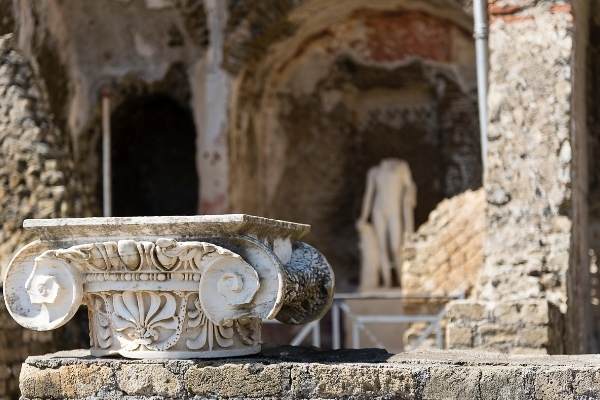
Once a luxury resort town catering to wealthy and prominent Romans, Baia lies underwater today. The natural volcanic vents that made baths and spas here so popular and successful,l combined with the seismic activity, led to flooding. You can explore the city by boat or dive for a closer look.
Other ancient sites in Italy
You can find many ancient sites and Roman ruins in Italy. Some are less concentrated in a particular area and deserve a stand-alone mention. Many more remain to be discovered, while others are currently being excavated. The beauty of ruins is that, through careful excavation and preservation, they offer a glimpse into the past. In Italy, you can spend years visiting them all.
Roman ruins in Verona
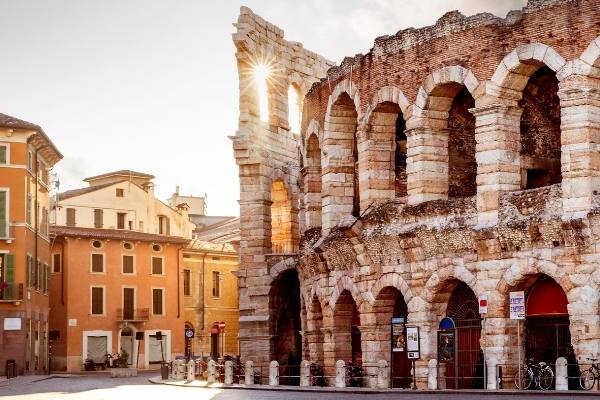
Probably most famous for the ill-fated romance between Romeo and Juliet, this site also includes a Roman amphitheatre dating back to 30 AD. In ancient times, the venue hosted more than 30,000 spectators from around the world. Originally made of pink and white limestone, it is the third-largest of its kind in Italy. Today, it’s used for performances for thousands of spectators.
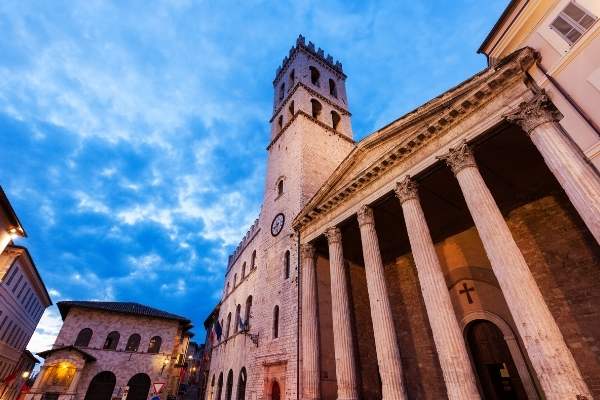
Foro Romano di Assisi (Perugia)
Linked closer to St. Francis of Assisi’s medieval figure, ancient Assisi was a Roman town with military purposes. Here, you’ll find a partially excavated Roman forum and the well-preserved Roman temple of Minerva, dating back to the 1st century BC.
Paestum
Paestum, a once-prosperous city, dates back to the 7th century BC. Settled first by the Greeks, it enjoyed over 1,000 years of prosperity, including the Lucanian and Roman rule. Abandoned after the fall of the Roman Empire, the fields turned into overgrown swamps.
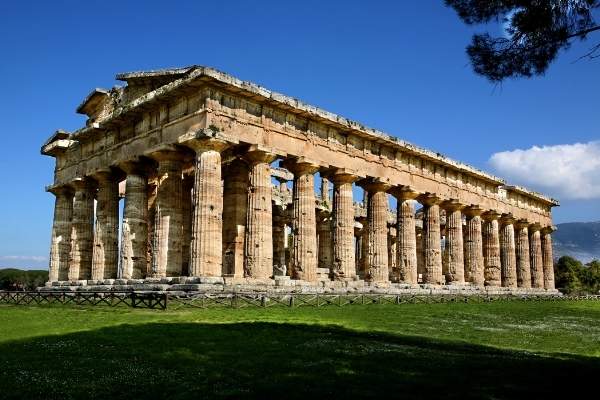
Three intact ancient Greek temples were accidentally rediscovered in the 18th century during the construction of a nearby road. Additional temples, walls, tombs and a theatre were discovered in the 20th century.
While they are not precisely Roman ruins, they are still spectacular ancient sites. Don’t want to drive? Treat yourself to a guided tour of Peastum with pickup and drop-off from Naples.
Valley of the Temples (Sicily)
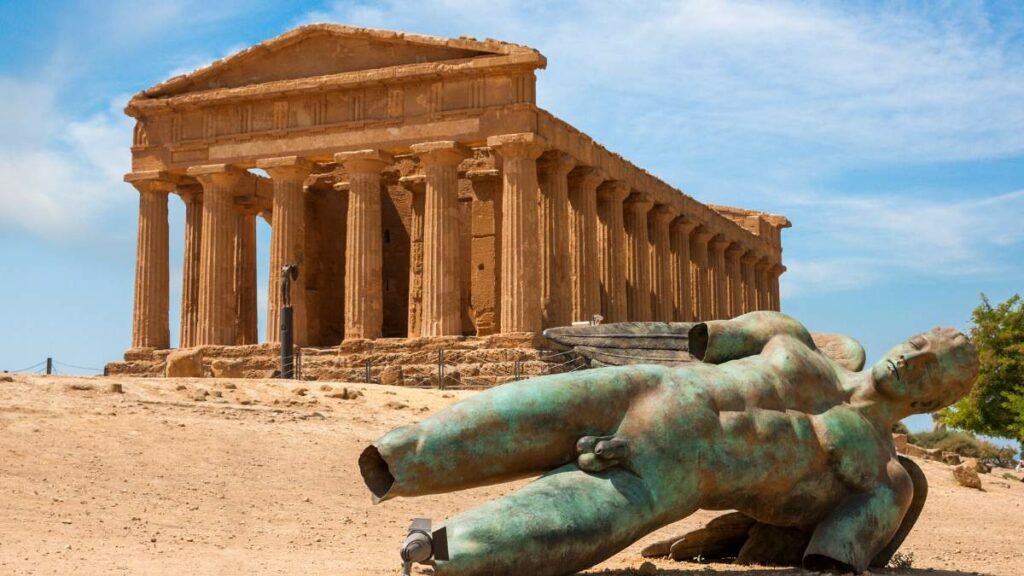
Declared a UNESCO World Heritage Site, the Archaeological and Landscape Park of the Valley of the Temples includes ruins of the ancient city of Akragas, named after a river of the same name. It was one of the most important Greek colonies in Sicily, founded around 582 BC.
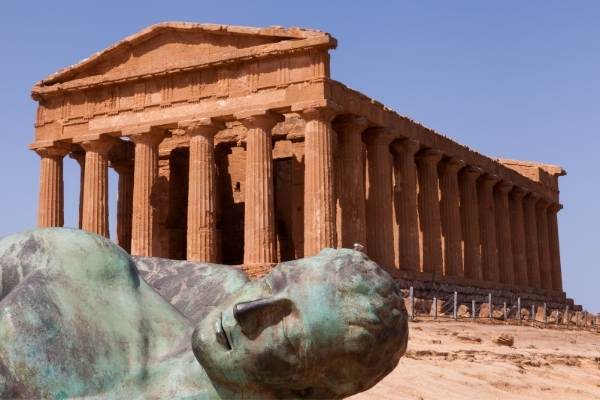
Today, the site covers more than 1,300 hectares (over 3,000 acres) and is the world’s largest archaeological site. It is home to several Doric temples and magnificent views.
Tarquinia
Tarquinia, Tarchuna in Etruscan, emerged as a trading power in the 8th century BC. Little is known about the city during the Roman period, but you can learn more about its Etruscan heritage by visiting the Monterozzi necropolis.
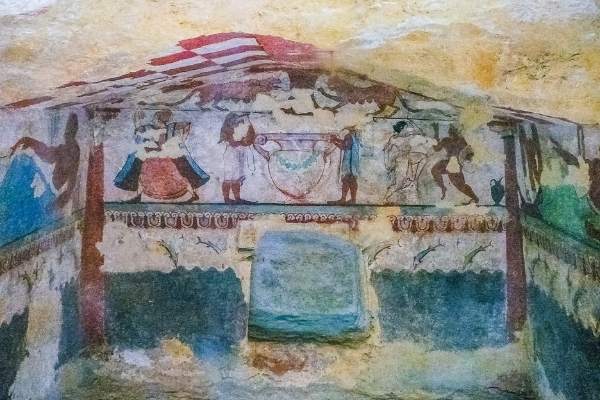
The cemetery predates the Romans and is home to more than 6,000 tombs, some with beautiful, high-quality wall paintings. They provide an insight into the secretive world of the Etruscans. Visit the nearby National Museum of Cerveteri and check out the numerous Etruscan artifacts.
Taormina (Sicily)
Settled on the picturesque hill of Monte Tauro, Taormina’s views of the bays below and Mount Etna have attracted people here for centuries. Settled by the Sicels, Greeks and Romans, then the Byzantines, Saracens, Arabs, Normans and Spaniards, Taormina has a lot of history.
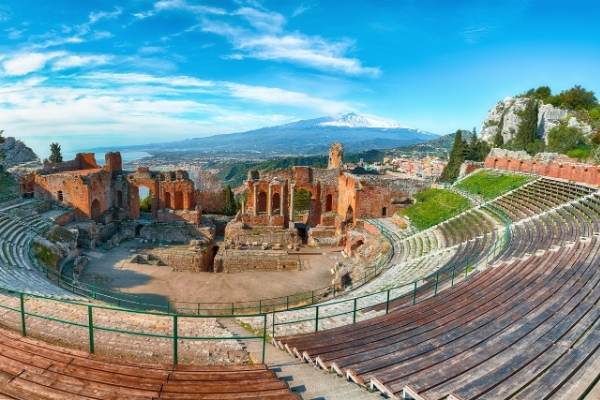
Here, you’ll find the remnants of an ancient Greek theatre with Roman modifications, where gladiators entertained audiences, and numerous fragments of ancient buildings.
Barumini (Sardinia)
A UNESCO World Heritage Site, Barumini is home to the archaeological site “Su Nuraxi.” It is the most complete and best-preserved example of Nuraghi architecture, representing Sardinia’s oldest civilization, dating back to the Bronze Age (11th-10th centuries BC).
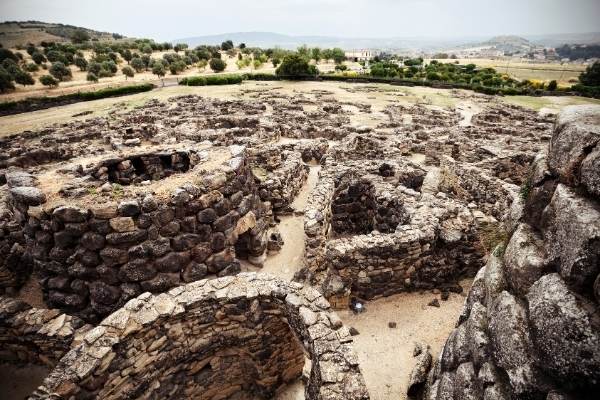
Not much is known about these cylindrical structures made of basalt blocks. A museum and a complex of huts, cisterns, bastions and towers offer a look as far back as the 16th century BC.
Final thoughts on Roman ruins in Italy
Italy is a history lover’s dream. The country’s layers of the past make it a popular destination. Whether it’s the Roman ruins or other ancient sites, there is much to see and cover. While you will most likely come across the past anywhere in the country, this post is meant to guide those who want a handy overview.
Many Roman ruins in Italy haven’t been covered here, as that would be impossible to capture in one post. However, the Romans were a conquering people, and you can find other Roman ruins in countries outside Italy. They capture the extent of the Roman Empire’s reach and the enduring nature of Roman architecture today. So, make sure to visit some of these places on your next trip to Italy.