
Italy Itinerary Planner for First Timers
Planning your first trip to Italy can feel harder than it should. There are so many famous cities, beautiful regions, and tempting day trips that it is easy to add too much.
This Italy itinerary planner is designed for first-time visitors who want to build a simple Italy route on their own. It focuses on classic destinations like Rome, Florence, Venice, Naples, Sorrento, Bologna and Milan, with a few smaller-town options where they fit.
It is not meant to replace a custom travel planner. It is a quick starting point for independent travellers who want to understand what a realistic Italy route could look like before booking flights, hotels, and train tickets.
Build your own Italy itinerary
Use the tool below to choose your trip length, travel interests, and preferred pace. It will suggest three Italy itinerary options: slow, standard, and busy.
The results are meant to help you compare routes, not lock you into one plan. You can swap cities, add nights, remove stops, or use the route as a base for your own Italy trip.
Who this Italy itinerary planner is for
This planner is best for first-time travellers to Italy who want to visit the country’s most popular places without joining a tour or paying someone to build a route. It works well if you are trying to answer questions like:
- What is the best itinerary for Italy for a first trip?
- How many cities should I visit in one week or two weeks?
- Can I visit Rome, Florence and Venice in one trip?
- Should I add Naples, Sorrento, Milan, Bologna, or smaller towns?
- What pace makes sense for my Italy route planning?
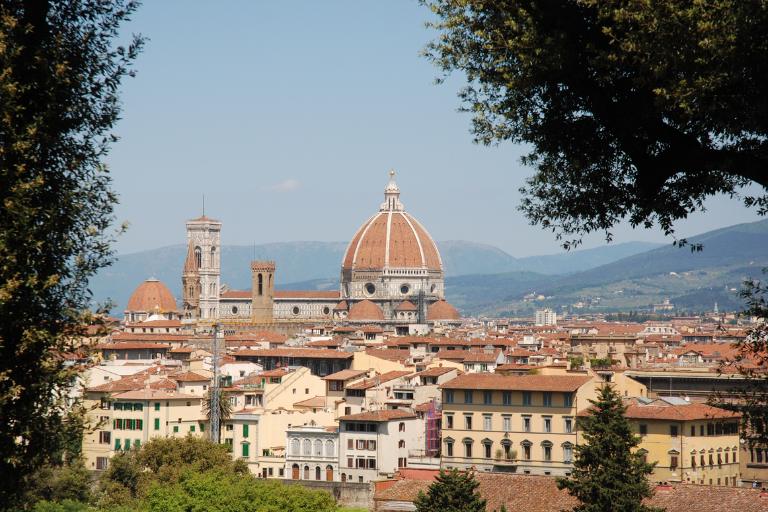
If you have already been to Italy several times, this tool may feel too simple. That is the point. It is built for travellers who need a clear first route, not a deep regional itinerary.
How were these Italy route ideas chosen?
The suggested routes are based on a few practical rules.
First, first-time visitors usually want to see Italy’s best-known places. That often means Rome, Florence and Venice. These cities are popular for a reason. They offer ancient history, Renaissance art, famous architecture, museums, food, and easy train connections.
Second, the routes are built around travel time. Italy might look small on a map, but moving between cities, especially those in different parts of the country, takes time. You need to pack, check out, get to the station, take the train, find your next hotel, and settle in again. That is why the slow routes include fewer stops.
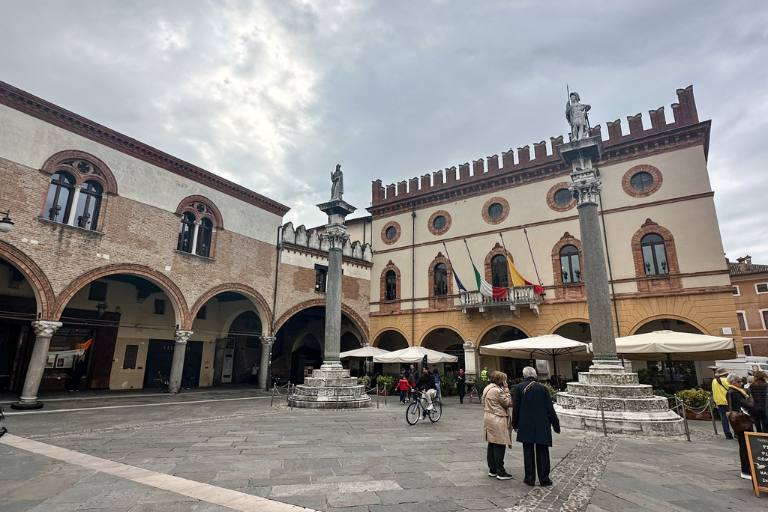
Third, the planner tries to match your interests. If you choose beaches, it points you toward places like Naples, Sorrento, the Amalfi Coast, Puglia, or Sicily. If you choose small towns, you might include places like Orvieto, Siena, Lucca, Assisi, Verona, or Bologna. If you choose food or wine, it may suggest Bologna, Tuscany, Verona, or Piedmont.
The goal is not to create the only “right” route. The goal is to give you a sensible first draft.
How to choose the best itinerary for Italy
The best itinerary for Italy depends on your time, budget and travel style.
For a first trip, I usually suggest choosing fewer places and giving yourself enough time to enjoy them. A packed itinerary can look exciting at home, but it can feel tiring once you are dealing with train stations, hotel check-ins, crowds, and long sightseeing days.
- If you have 5 days, focus on one or two places.
- If you have 7 days, choose two or three stops.
- If you have 10 days, Rome, Florence and Venice can work well.
- If you have 14 days, you can add Naples, Bologna, Milan, Sorrento, or a smaller town.
- If you have 21 days, you can mix major cities with smaller towns, coastal stops, or food and wine regions.
A good Italy route should leave space for slow mornings, long lunches, wandering, and unexpected discoveries. Italy is not just a checklist.
Slow, standard, or busy: which pace should you choose?
Choose a slow pace if you want fewer hotel changes, more time in each city, and a calmer trip. This is best if you like long meals, wandering neighbourhoods, visiting fewer museums in more depth, or travelling with kids.
Choose a standard pace if you want a balanced first Italy itinerary. This usually gives you enough time to see the main sights without having to move every day. For most first-time visitors, this is the safest choice.
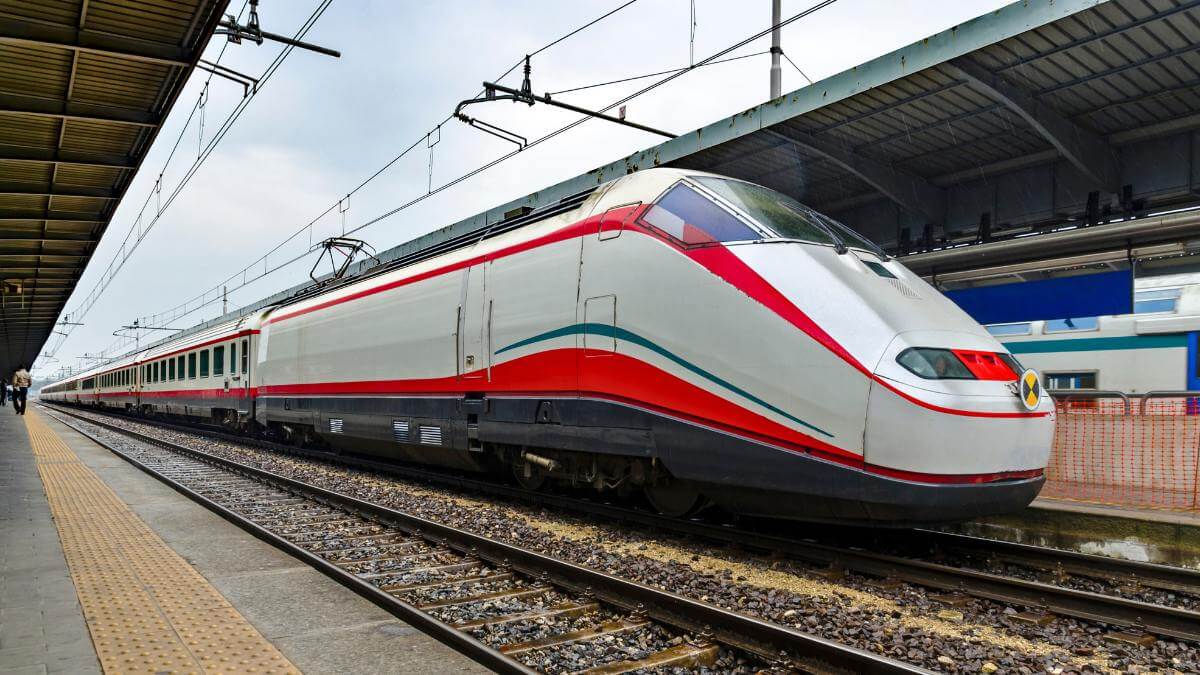
Choose a busy pace if you care more about seeing many places than spending lots of time in each one. This can work if you are comfortable with train travel, early starts, and shorter stays. It is not the best option if you dislike packing often or need downtime.
Quick tips for Italy route planning
- Try not to change cities every night. It usually makes the trip feel rushed.
- Check train times before you book hotels. Some routes are much easier than others.
- Stay near train stations if you are moving around often.
- Book major attractions in advance, especially in Rome, Florence and Venice.
- Leave some unscheduled time. The best parts of Italy are often the moments between the main sights.
- Use this planner as a starting point, then check real train schedules, opening days, and hotel prices before finalizing your Italy itinerary.
FAQ
What is the best itinerary for Italy for a first trip?
For many first-time visitors, the best Italy itinerary includes Rome, Florence and Venice. These cities are easy to connect by train and offer a strong mix of history, art, food, architecture, and famous landmarks.
How many days do I need for a first trip to Italy?
Seven to 10 days is a good length for a first trip to Italy. For 7 days, choose two or three stops. With 10 days, you can visit Rome, Florence and Venice without rushing too much.
Is this Italy itinerary planner a custom travel planning service?
No. This is a free DIY Italy route planning tool. It gives simple route ideas based on your trip length, interests, and pace. You can adjust the results to fit your travel style.
Should I choose a slow or busy Italy itinerary?
Choose a slow itinerary if you want fewer stops and more time in each place. Choose a busy itinerary if you want to see more cities and are not bothered by frequent hotel changes. For most first-time travellers, a standard pace works best.
Can I visit Rome, Florence and Venice in one trip?
Yes. Rome, Florence, and Venice work well together, especially for a 10-day Italy itinerary. They are connected by train and offer first-time visitors a good mix of ancient history, Renaissance art and unique cityscapes.
Are smaller towns worth adding to an Italy route?
Yes, but choose carefully. Smaller towns like Orvieto, Siena, Lucca, Assisi, Verona, Bologna, and Ravenna can add charm and variety. They work best when they fit naturally between bigger stops.
How should I use the itinerary suggestions?
Use the Italy itinerary planner suggestions as your first draft. Pick the route that fits your travel style and pace, then adjust the stops and nights. Before booking, check train times, hotel prices, museum opening days, and the best arrival and departure airports.
Listen to our podcast for more tips