Italy Travel Budget
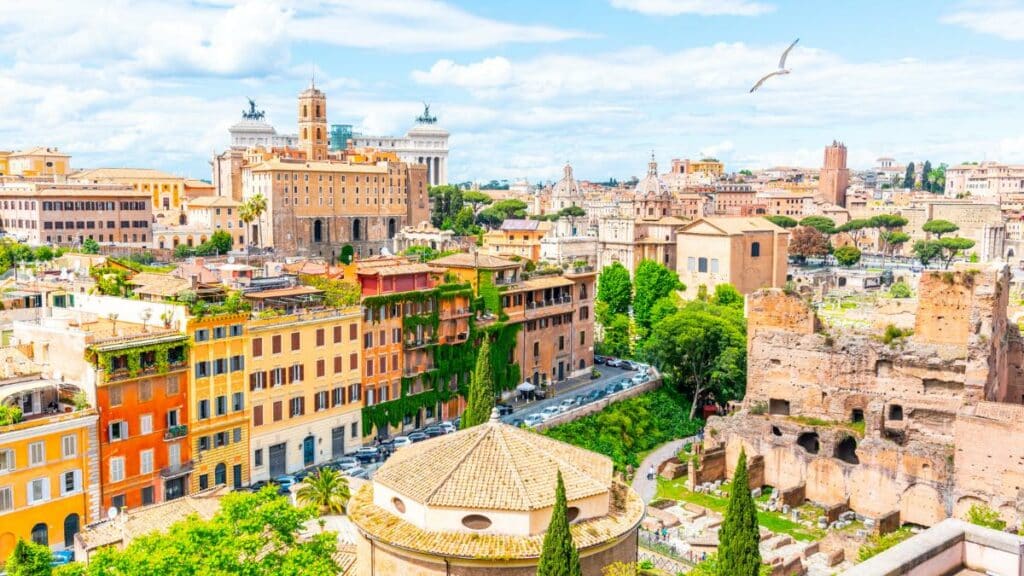
Planning an Italy travel budget can feel tricky because costs change so much by season, region and travel style. A week in Rome and Florence will look very different from a road trip through Abruzzo or a summer stay on the Amalfi Coast. This guide breaks down the main Italy travel costs so you can plan with fewer surprises.
Once you know what drives your costs, use my Italy trip cost calculator to estimate your own trip.
Italy travel budget at a glance
These numbers don’t include flights. These are average numbers for what you can expect to pay, depending on your travel style. They cover everyday costs like food, hotels, transport within Italy and tickets to attractions.
| Travel style | Daily budget per person | Best for |
|---|---|---|
| Budget | €70–€120 | Hostels, simple meals, public transport |
| Mid-range | €150–€300 | Comfortable hotels, trains, paid attractions |
| Higher-end | €350+ | Boutique hotels, private tours, fine dining |
What affects your Italy trip budget?
Several factors can influence your Italy travel budget before you even leave for your vacation. Keep that in mind when you’re planning your trip.
- Season. Summer and major holidays cost more. Spring and fall are often less expensive and have fewer crowds.
- Cities vs smaller towns. Rome, Florence and Venice cost more than smaller cities like Bologna or towns in Abruzzo and Puglia.
- Accommodation type. A central hotel in a big city costs far more than a guesthouse outside the centre or a countryside stay.
- Train travel vs car rental. Trains work well for hopping between major cities. A car makes sense for rural areas, but adds fuel, tolls and parking costs.
- Food and dining style. Standing at a coffee bar or grabbing lunch at a market costs much less than sitting down for dinner near a major sight.
- Paid attractions and tours. Museums, skip-the-line tickets and guided tours add up fast if you book a lot of them.
- How fast your itinerary moves. Changing cities every night or two costs more in trains, taxis and time than staying put for a few days.
- Exchange rate. The euro’s value against your home currency can shift your real cost from one trip to the next, so it’s worth checking before you book.
Flights to Italy
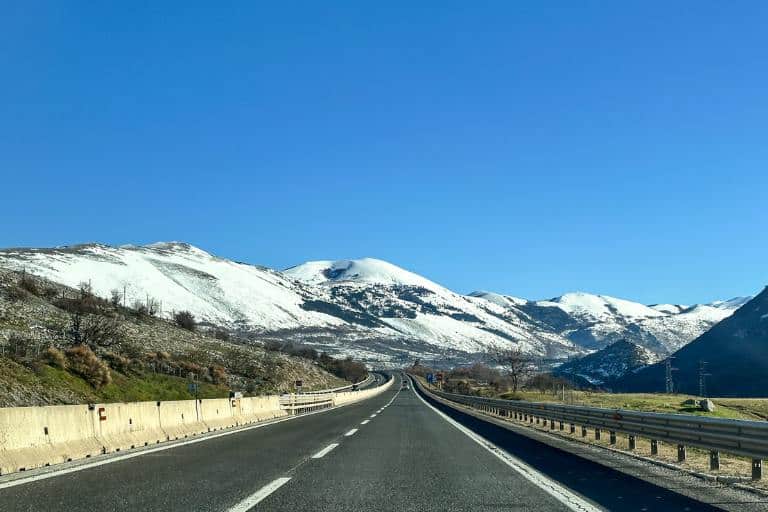
Flights are often the single biggest cost of any Italy trip, especially when flying from North America or Australia.
Rome and Milan usually have the most flight options and the best prices. Venice, Naples, Bologna and Catania can also work well depending on your route. Flying into one city and out of another can save you time and backtracking.
Travelling in the off-season (spring or fall) tends to bring down flight prices, too. Budget airlines can help once you’re in Europe, but watch out for luggage fees, which can wipe out your savings.
For more on putting together your route, see Planning a trip to Italy.
Accommodation costs in Italy
Some people thrive in hostels, while others need luxury to enjoy themselves. Where you sleep is one of the easiest places to control your budget.
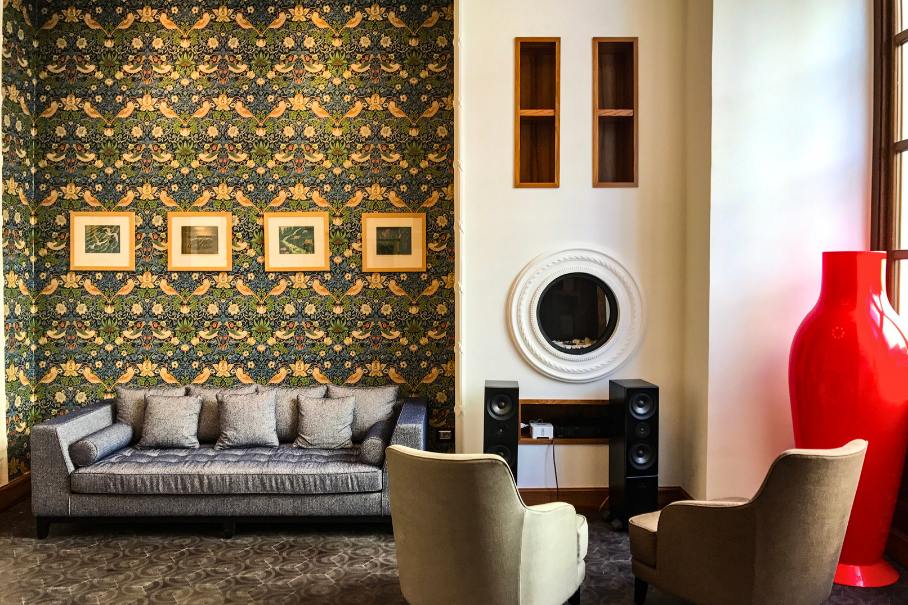
- Budget stays. Hostels, guesthouses and simple bed and breakfasts, especially outside the historic centre, keep costs down.
- Mid-range hotels and apartments. Most accomodations travellers choose tend to be in this tier. While location matter, sometimes you migh be better off with a slightly cheaper hotel within walking distance of what you want to see than staying right in the centre of things.
- Agriturismi and countryside stays. These working farm stays are a great option in Tuscany, Umbria, Abruzzo, Puglia and Sicily. They’re often great value, especially when meals are included.
- High-end hotels. Major cities, lake towns, the Amalfi Coast and Venice all have luxury options that get expensive fast, especially in summer.
For more help picking a base, see Where to stay in Italy.
Food and drink costs
Food tends to be fairly affordable in Italy, but again, it varies based on where you are in the country and what you eat. The further north you go, the costs tend to be higher than they would be in the south.
- Breakfast at a bar is usually cheap. Coffee costs less if you drink it standing at the counter instead of sitting at a table, but I find that in many place, the price is the same.
- Lunch is often good value, even at sit-down spots. Markets, bakeries and casual trattorias all help keep food costs low.
- Location. A fine dining restaurant will cost more than a family-run trattoria, and so will a place right by the major attraction. Sometimes, a lot more.
- Aperitivo, the early evening drink and snacks ritual, is often good value. You also get small snacks with it.
- Wine, especially the house wine at a trattoria, is usually more affordable than people expect.
Transportation costs in Italy
How you get around will factor in your Italy travel budget quite a bit.
- Trains. Trains are the best way to move between Rome, Florence, Venice, Bologna, Naples and Milan. Book high-speed trains early for the best prices.
- Regional trains and buses. These cost less than high-speed trains and work well for reaching smaller cities and towns.
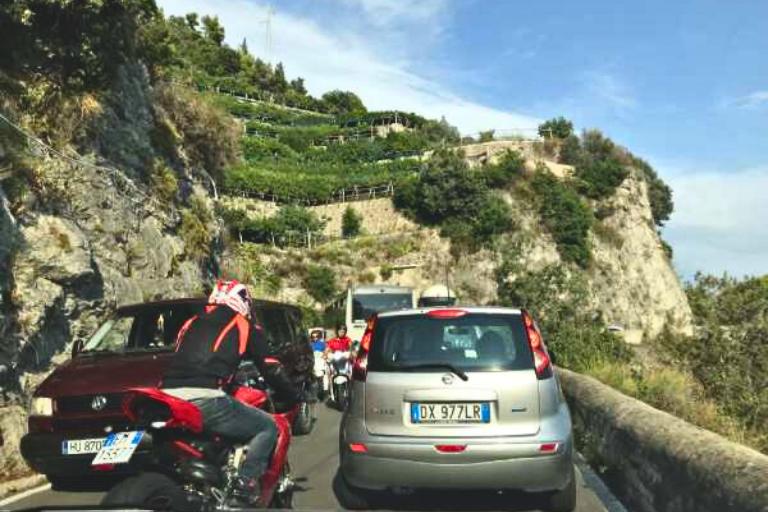
- Rental cars. A car makes sense for rural areas and hill towns, including Abruzzo, Tuscany, Puglia, Sicily and parts of Sardinia. Beyond the rental fee, plan for fuel, tolls, parking and possible ZTL fines (restricted traffic zones in many city centres).
- Ferries. Ferries are useful for reaching Sicily, Sardinia and smaller islands.
Attraction and tour costs
This is where many travellers underestimate their budget. Many popular attractions, especially during the high season, sell out well in advance. Book ahead rather than waiting until you arrive to avoid disappointment.
- Major museums and archaeological sites entry fees can quickly add up during your trip, espcially if you want to visit multiple places.
- Skip-the-line tickets cost more but can save you time at busy sites.
- Guided tours and food tours add to the daily cost but can be worth it for context and convenience.
- Day trips often include transport plus entry fees. Many churches are free to enter, but some charge for museums, bell towers or crypts inside.
For ideas on what’s worth booking, see Things to do in Italy and Italy travel tips.
How to save money in Italy without ruining your trip
A few habits can lower your Italy travel budget costs without making the trip feel cheap.
- Travel in April, May, October or November.
- Stay fewer nights in the most expensive cities.
- Use trains between major cities instead of renting a car you don’t need.
- Rent a car only when it adds real value, like reaching small towns or the countryside.
- Book high-speed trains early for lower fares.
- Stay slightly outside the main tourist centre.
- Eat your main meal at lunch instead of dinner.
- Choose fewer paid attractions and spend more time enjoying free churches, piazzas and viewpoints.
- Avoid moving cities every single night.
- Pick a few regional bases instead of day-tripping long distances.
Common Italy travel budget mistakes
Planning too many cities in too little time.
- Underestimating train fares and luggage fees.
- Renting a car for a city trip where it becomes a burden instead of a help.
- Booking summer accommodation too late, once prices have already climbed.
- Ignoring parking, tolls and ZTL fines.
- Assuming all beaches are free to use.
- Not checking whether breakfast is included in a hotel rate.
- Forgetting to budget for travel insurance, a SIM card or eSIM, and city taxes charged at checkout.
Use my Italy trip cost calculator
Once you understand the main cost categories, use my Italy trip cost calculator to estimate your own trip based on your length of stay, travel style, accommodation and transport choices.
Latest from the blog
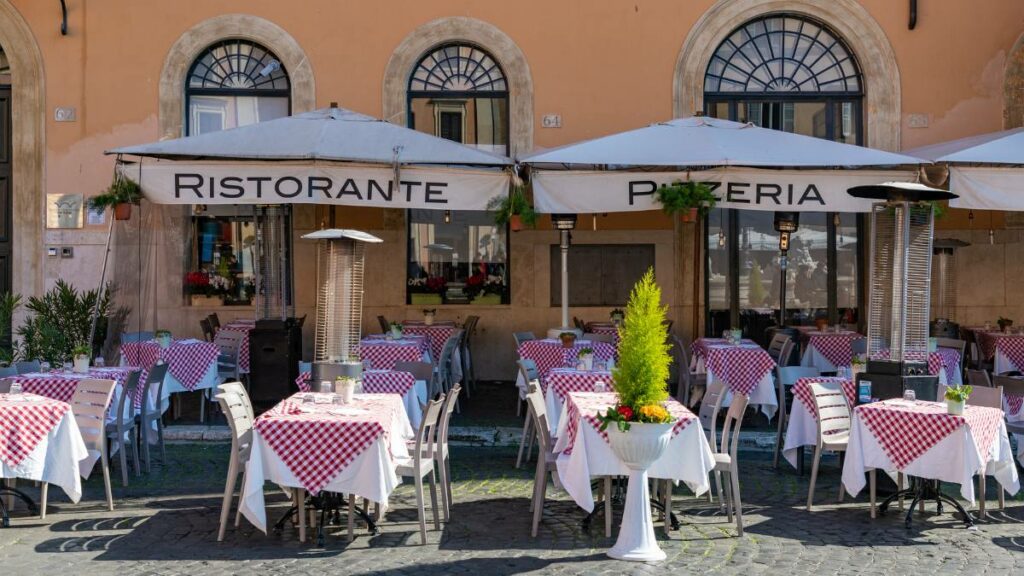
10 Popular Italian Dishes You Won’t Find in Italy
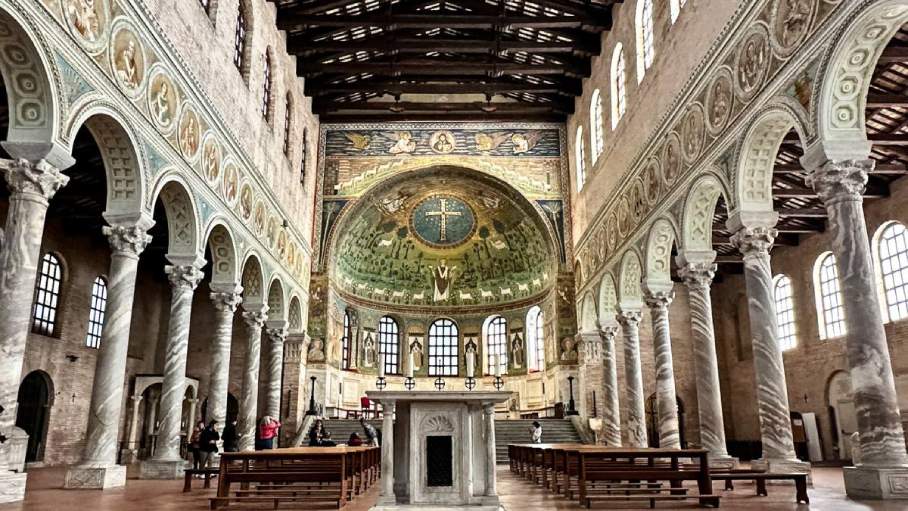
Best Things to See in Ravenna, Your Next Italian Love Affair
Matera, Italy: Things to do in the Ancient Cave City
Where to Stay in Rome for First Timers
Things to Do in Palermo: A Guide for First-Time Visitors