
Italy Travel Tips and Advice
Italy is easy to love, but first-time visitors often get tripped up by small things, like dinner starting later than expected, a museum closed on a Monday, a coffee order that comes out wrong, a church that turns you away at the door. None of it ruins a trip, but knowing about it ahead of time makes things smoother.
I live in Italy and spend a lot of my time helping travellers plan their trips. These are the Italy travel tips I give most often, based on what actually trips people up on their first visit.
Italy travel tips at a glance
Here’s the short version. I cover each of these in more detail further down the page.
| Topic | Quick tip |
| Best way to travel between cities | Use the train for major city routes |
| Best way to visit rural areas | Rent a car for countryside, hill towns and remote coastlines |
| Dinner time | Most restaurants open around 7:30 p.m. or later |
| Coffee | Cappuccino is usually a morning drink |
| Church dress code | Cover shoulders and knees |
| Attraction tickets | Book major sites ahead |
| Safety | Watch for pickpockets in crowded tourist areas |
| Money | Cards are widely accepted, but carry some cash |
Start with realistic expectations
Italy rewards slow travel. First-time visitors often try to pack in too much, and the trip suffers as a result.
Italy is bigger and slower to cross than it looks on a map. Moving to a new city every one or two nights eats up more time than people expect, once you factor in packing, checking in and getting settled. Opening hours and train schedules can also shape your day more than you’d think, and crowds during peak season can be intense at the big sites.
Leaving some flexibility in your itinerary makes the whole trip more enjoyable. If you’re still working out your route, my guide to planning a trip to Italy walks you through how to pace your trip.
Learn a few basic Italian phrases
You don’t need to speak Italian to get around, but a few basic phrases go a long way. Greet people when you walk into a shop, bar or restaurant. “Buongiorno,” “buonasera,” “grazie” and “per favore” cover most situations, and using them is a small thing that gets noticed.
English is common in tourist areas, but it isn’t a given everywhere. Politeness matters more than fluency here, so even a rough attempt is appreciated.
Tips for dining out in Italy
Meals in Italy follow their own rhythm, and that can throw many first-time visitors off guard. Here’s what to expect when you dine in Italy.
Restaurant hours
Lunch usually runs from around noon to 2 p.m., and dinner often doesn’t start until 7:30 p.m. or later. Many restaurants close their kitchens between lunch and dinner, so a 4 p.m. craving may go unanswered. In popular areas, booking a table ahead is worth doing, especially during high-season.
Aperitivo
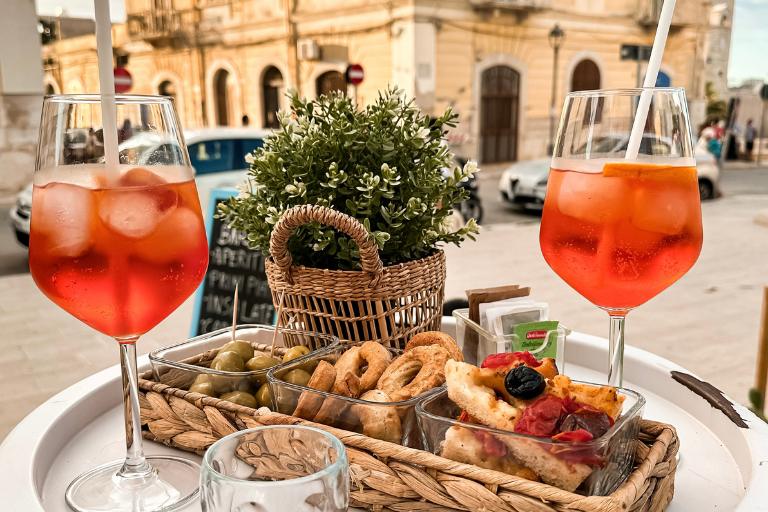
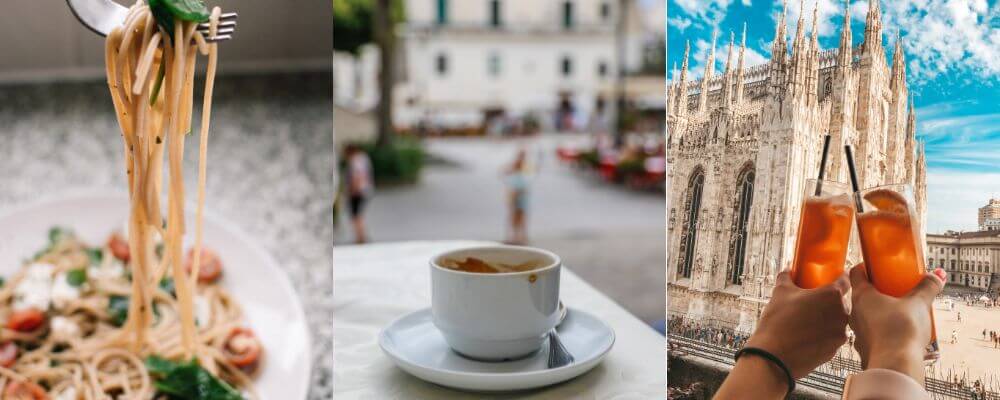
One of the best ways to enjoy Italian food culture is by indulging in an aperitivo. This pre-dinner ritual is a time to relax with friends over drinks and light snacks like olives, cheese, or cured meats. It’s a great way to enjoy a break from exploring, especially if you need something to tie you over until dinner. Aperitivo normally runs between 6 and 8 p.m. but you can have a drink anytime and usually get some little nibbles with it.
Coffee culture
Italians take their coffee seriously. In the morning, they usually have a coffee and a cornetto, which is a croissant, often filled with jam or other deliciousness. They usually have their coffee at the counter, and nobody drinks cappuccinos after 11 a.m.. To be honest, I’ve had a cappuccino as late as 1 p.m. and nobody batted an eye. In more touristy areas, they are more used to tourists drinking cappuccinos outside what the Italians consider acceptable.
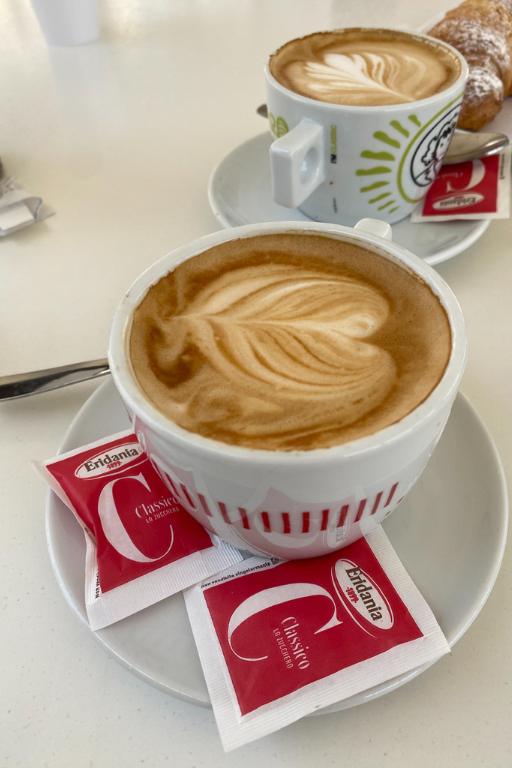
If the coffee shop has a seating area, you can enjoy your coffee there but expect to pay more than you would at the counter. Also, don’t order a latte unless you want a glass of milk. Ask for a “caffè latte” if that’s what you actually want. Your coffee (especially an espresso) will typically come with a small glass of mineral water, which is supposed to aid digestion.
What not to expect on the menu
Some dishes North Americans think of as Italian are more Italian-American than Italian. You’re unlikely to see spaghetti and meatballs, fettuccine Alfredo or pineapple pizza on a menu in a traditional restaurant. You might find them in touristy spots, but that’s not what locals actually eat..
Water, bread and the bill
Bread often shows up on the bill as “coperto” or “pane,” which is normal and not a mistake. When you’re ready to leave, you’ll usually need to ask for the bill, since it’s rarely brought over automatically.
Table manners and tap water
Don’t eat your spaghetti with a fork and spoon. It’s not how it’s done here, and it stands out. For cheese, take your cue from the staff. If they offer it, that means the dish calls for it. If they don’t, they don’t think it needs it. Either way, let them lead.
Tap water isn’t served in restaurants here. You’ll need to order a bottle, still or sparkling, when you sit down. There was a recent court case where a tourist sued a hotel for refusing to serve tap water. The court ruled in favour of the hotel, reinforcing that restaurants and hotels can legally refuse to serve tap water.
Tipping in Italy
Tipping works differently here than in North America. It’s not expected the way it is at home, and servers aren’t relying on tips to make a living wage. In fact, many people don’t tip here.
That said, rounding up the bill or leaving a few euros for good service is a nice gesture. Nobody will chase you down for more, and nobody will judge you for less. At a bar or café, you can leave small change on the counter if you want. For cabs, rounding up to the nearest euro is common and enough.
Book major attractions in advance
This is one of the most useful things I can tell a first-time visitor. Many of Italy’s biggest attractions sell out, especially in spring, summer and around holidays. That includes the Colosseum, the Vatican Museums, the Borghese Gallery, the Uffizi Gallery, the Accademia Gallery, Pompeii tours, and The Last Supper in Milan. Popular food tours and day trips fill up too.
Booking ahead saves time, reduces stress and helps you avoid missing a sight you came all this way to see. If you’re planning to eat your way through a city, a good food tour is worth booking early as well.
Understand opening hours
Opening hours in Italy don’t always match what you’re used to at home, and they can quietly derail a day if you’re not paying attention. Many museums close on Mondays. Some churches, shops and small businesses close for a few hours in the afternoon. Restaurant kitchens run on set hours, not all-day service.
Seasonal hours (especially during Ferragosto) can shift depending on the time of year, and public holidays can affect transport, museums and restaurants alike. It’s worth checking the official opening times for anything major before you show up.
Dress properly for churches
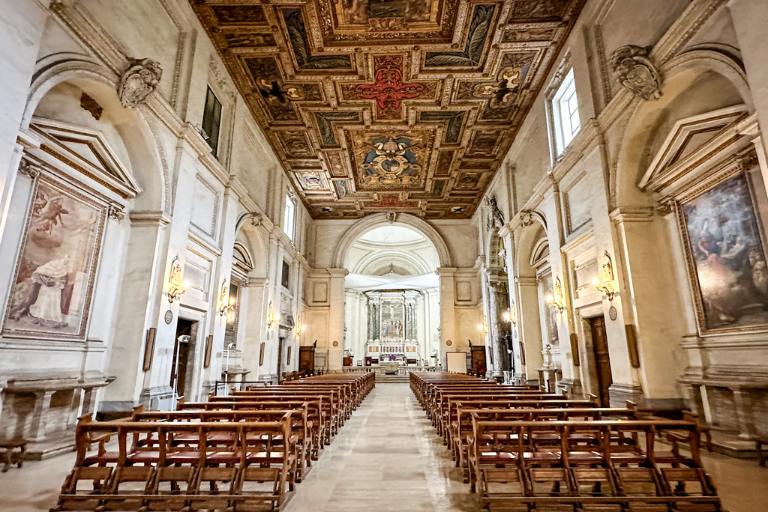
Italy has a lot of beautiful churches, and most of them have a dress code. Cover your shoulders and knees, and carry a light scarf or layer in case you need to cover up on the spot. Rules are stricter at major churches and the Vatican, where you may be turned away without the right coverage. Don’t enter during a private service, and keep your voice down and your phone silenced once you’re inside.
Get around Italy the smart way
How you get around depends a lot on where you’re going. High-speed trains, like the Frecciarossa, are the best way to travel between major cities. Regional trains and buses cover the smaller towns. For rural areas like Abruzzo, Tuscany, Umbria, Puglia, Sicily and Sardinia, a rental car makes more sense. If you’re heading to islands, ferries are a practical and scenic option.
I’d avoid renting a car for central Rome, Florence, Naples or Venice. Traffic, parking and ZTL zones (restricted traffic areas with steep fines if you drive in without permission) make it more trouble than it’s worth in those cities. If you do drive, watch for tolls and validate your regional train tickets before boarding, since inspectors do check.
Stay connected with an eSIM or local SIM
Since I live in Italy, I use a local phone plan. For visitors, an eSIM or short-term travel SIM is usually the easiest option, and it helps with maps, train tickets, restaurant bookings, translation, ride apps and messaging.
An eSIM can be set up before you even leave home. A local SIM may work out cheaper if you’re staying for a longer trip, and EU roaming can help if you’re travelling through several countries. Wi-Fi is common in hotels and cafés, but it’s not reliable enough to depend on all day.
Avoid pickpockets and common scams
Italy is generally safe, but it pays to stay alert in crowded places, especially in the bigger cities. Pickpockets tend to work train stations, metros, buses and packed tourist spots. A crossbody bag or a bag that zips closed is an easy way to keep your phone and wallet secure without thinking about it constantly.
Watch for bracelet scams, where someone ties a bracelet on your wrist before asking for money, and be wary of people with clipboards asking you to sign a petition. Stick to official, marked taxis, and be cautious of restaurants right next to major squares, since they’re often overpriced.
More Italy planning guides
Here are a few more guides that pair well with this one.